












Nobilis
- Colors 3
- Surfaces 1
- Sizes 3



 Ventilated facades
Ventilated walls's functionality and benefits
 Raised Floors
Functuality and benefits





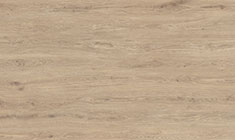
The warmth and design of wood in a durable porcelain stoneware surface, for flooring and coverings inside and outside the home. Discover the wood-effect collections, from light oak tones to the darkest and most intense woods.


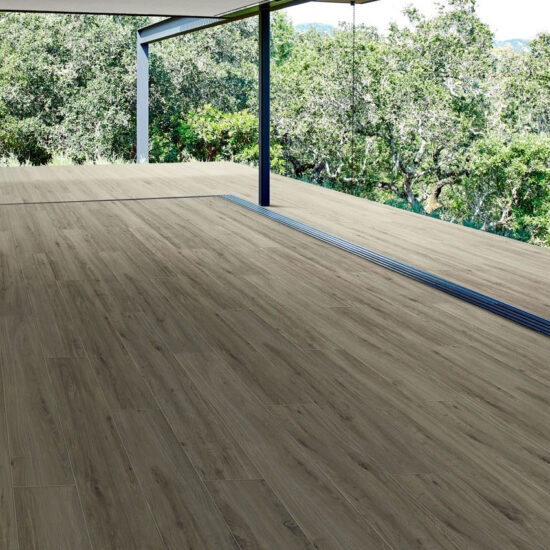
To choose the most suitable wood-look porcelain stoneware for your project, it is advisable to start from three elements: shade, size and finish.
For outdoor spaces and passage zones, the choice instead falls on collections designed to withstand heavy use and wet conditions.
To learn more, also read the guide to choosing the best wood-effect porcelain stoneware.
Grain patterns, knots, color variations and plank rhythm are the elements that define the character of a wooden floor. Wood-effect porcelain stoneware reproduces these details and translates them into a ceramic surface able to give back the same visual sensation as parquet. The advantage is being able to maintain this aesthetic language even in rooms where natural wood may prove less practical, thanks to a stable, resistant, and durable surface.
Marazzi collections interpret the wood effect in different ways:
Flooring is one of the most natural applications for wood-look porcelain stoneware, as it allows you to accompany different rooms of the home with the same visual language and, with dedicated surfaces, to extend also to terraces and outdoor spaces.
In the living room and bedroom, wood-effect porcelain stoneware creates a continuous visual base that easily matches furniture, doors, and other design elements. The choice between light or dark floors helps define the perception of the space and the overall atmosphere of the room: thanks to the shades and intensity of the grain, it is possible to create brighter and lighter spaces or more enveloping and material ones.
The wide range of Marazzi collections responds to every interpretation, naturally recalling wood in all its nuances.
The solutions dedicated to the bathroom allow for the selection of surfaces consistent with the specific needs of this space.
Among the benefits of a wood-effect porcelain stoneware floor in the bathroom are the practicality and resistance of porcelain stoneware, combined with an aesthetic effect capable of bringing warmth and hospitality even to a space where cold and functional surfaces usually prevail.
Thanks to the technical and frost-resistant properties of porcelain stoneware, the wood effect can continue onto terraces, gardens, balconies, porches, and other exposed areas with collections designed for outdoor use and for visual continuity between indoors and outdoors. The aesthetic effect remains that of wood, but the technical characteristics of the tile meet resistance needs and keep their beauty unchanged over time.
Vero20, for example, takes up the aesthetics of Vero in a thicker version, designed for outdoor spaces. If installed with adhesive and according to the provided instructions, the 20 mm collections can also be used in drive-over contexts, making porcelain stoneware an excellent choice even for parking areas, garages, and high-traffic zones.
The Oltre collection also interprets the wood effect in an outdoor key, with an extra-matt surface designed to offer high performance.
The nuances range from light and bright oaks to honey tones, up to the most intense browns and greys: a variety that allows you to create very different atmospheres and coordinate the floor with furniture, walls, and coverings.
Nuances inspired by bleached oak, natural wood and honey bring brightness and lightness to the room and represent a versatile choice for both contemporary and more classic interiors.
To maintain a light and harmonious palette, the wood-effect floor can be combined with white tiles or surfaces in beige tones, creating tone-on-tone combinations between floor and wall coverings or playing with similar shades.
Intense browns enhance the depth of the grain and help create a more enveloping and intimate atmosphere, while grey shades reinterpret wood in a more neutral and contemporary way.
The latter are particularly suited to combinations with cement, stone, and minimalist surfaces: grey tiles allow you to continue the same color scheme on walls and coverings, or to create combinations between different materials while maintaining a coherent palette.
Long boards and large formats create a continuous and smooth surface, which expands the space and recalls parquet planks. Shorter planks, on the other hand, offer a denser and closer rhythm, suitable for rooms where a more dynamic design is desired.
The installation pattern can also significantly change the final result. The herringbone pattern, for example, introduces a more decorative rhythm and recalls the character of traditional parquet, reinterpreted in a contemporary way.
Yes. Porcelain stoneware is compatible with underfloor heating systems and allows for even heat distribution. The final result still depends on the system's characteristics, the subfloor, and the installation, which should be assessed together with the technician or installer.
Yes, by choosing rectified formats, which allow for narrow and discreet joints and help make the floor visually more continuous.
Wood-effect porcelain stoneware requires simple routine maintenance and can be cleaned with standard daily detergents, choosing products suitable for ceramic surfaces.
Also read: How to clean porcelain stoneware
Both solutions are possible. Continuing the wood effect also on the wall makes it possible to create a more enveloping and coherent space. This is the case, for example, with Boiserie, a white-body collection designed for wall installation.
Alternatively, you can create a contrast between different materials, combining wood with a stone effect, a marble effect or surfaces with terracotta and concrete effect. In this way, the floor maintains its role as a warm and natural base, while the wall introduces a different material.
