













Grande Stone Look
- Colors 37
- Surfaces 5
- Sizes 4




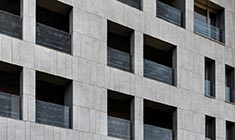 Ventilated facades
Ventilated walls's functionality and benefits
 Raised Floors
Functuality and benefits







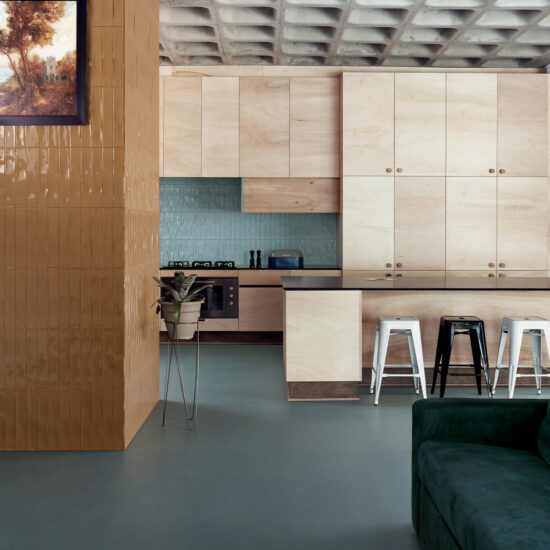

Brown tiles allow you to create welcoming atmospheres, enhancing the different available intensities and shades.
When brown is used on floors and large surfaces, it is important to consider the brightness of the room and combinations with other materials, evaluating the tone directly in the space and under different lighting conditions.
The lighter shades of brown are ideal for creating visually airy and welcoming spaces, especially when combined with neutral walls and natural materials. The deep browns, on the other hand, enhance surfaces with a more distinct character, helping to define intimate and elegant atmospheres.
Among the latest collections, Terracotto enhances earth colors through matte and shaded surfaces inspired by the natural look of terracotta. The palette includes shades like Tobacco, Earth and Garnet, allowing you to move from warm and delicate nuances to more intense and enveloping interpretations.
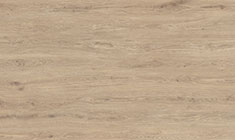
Wood-effect collections also offer different shades of brown: Vero interprets the natural hues of wood, ranging from the lightest tones to the deep shades of oak, while Treverkhome offers nuances from the brighter Larch to the bold Oak.
For those seeking a more contemporary surface, Terratech reinterprets earth colors through a textured concrete effect. The Cinnamon and Mustard shades introduce warm nuances, while Wine offers a more intense chromatic interpretation, close to brown and reddish tones.
Brown shades can also be paired with beige hues for brighter compositions, or with grey and greige tones for a neutral and contemporary aesthetic.
Read also: Are light or dark floors better? Tips to enhance every space
Brown porcelain stoneware allows you to interpret natural materials and contemporary surfaces through different textures, veining and chromatic variations. The choice mainly depends on the desired atmosphere and on the role the surface will have in the space.
The shades range from golden browns, reminiscent of honey and natural oak, to the deepest browns of walnut and dark oak: this variety allows you to create floors suitable for both traditional and contemporary spaces.
Among Marazzi's collections, Nobilis interprets the charm of wood through a high-definition 3D graphic, enhancing the grain and relief of the surface.
For those seeking an interpretation closer to traditional parquet, the collections Treverksoul, Treverkview and Treverkdear expand design possibilities with planks, grains, and shades that enhance the natural character of brown.
The wood-effect porcelain stoneware tiles thus allow you to combine the aesthetic warmth of wood with the resistance and easy maintenance of porcelain stoneware.
Read also: Best wood-effect porcelain stoneware: a selection guide
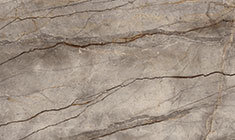
The stone-effect porcelain stoneware interprets brown through veining, stratifications, and natural inclusions, creating floors and wall coverings with an authentic character.
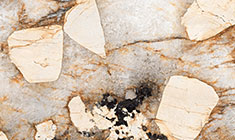
Among Marazzi's proposals, Grande Stone Look reinterprets different types of stone in large slab format, with surfaces enhanced by technologies such as 3D Ink. The warmer shades allow you to create material compositions where the natural nuances stand out thanks to the reduced presence of joints.
For those who prefer the charm of terracotta, terracotta-effect porcelain stoneware brings back the warmth of artisanal work through textures and chromatic variations inspired by traditional materials.
The collection Cotti d'Italia enhances the aesthetics of Italian terracotta with warm shades ranging from brown to earthy red.
A more contemporary interpretation of earth colors is offered by Terratech, a concrete-effect collection featuring material inclusions thanks to Body Plus technology.
The marble-effect porcelain stoneware in brown reinterprets the elegance of brown marbles, distinguished by intense backgrounds and veining that cross the surface, creating refined contrasts.
Among the most representative varieties, Emperador marble stands out for its deep brown shades, enriched with lighter veins that bring movement and brightness to the material.
Marazzi collections allow you to reinterpret these features with porcelain stoneware surfaces of elegant aesthetics. Allmarble offers various interpretations of natural marble, including brown and veined shades ideal for enhancing floors and wall coverings with a refined character.
For greater visual continuity, Grande Marble Look interprets the marble effect in large slab format, with high-definition graphics and three-dimensional technologies in its variants.
Compared to the more intense shades of wood and terracotta, the colors taupe and greige typical of concrete-effect porcelain stoneware allow you to create visually more uniform surfaces, especially suitable for minimal spaces and rooms with a strong architectural character.
Among Marazzi's collections, Grande Concrete Look reinterprets the look of concrete in large slab format, with surfaces enhanced by 3D Ink technology in its variants.
In the bathroom, brown can be used for both flooring and wall coverings, choosing coordinated surfaces for a cocooning effect or alternating different tones to introduce contrast and depth.
Among Marazzi's proposals, Crea interprets wall coverings with textured surfaces and decorative structures in 60x135 cm format. The collection offers stone effects in natural shades, alongside three-dimensional wood-effect structures, such as Canaletto Walnut and Dark Oak, allowing you to introduce brown shades and enhance vertical surfaces.
The possibilities of using brown also extend to other rooms of the home. In the kitchen, for example, a brown wood-effect floor can be combined with light furniture and neutral surfaces, while in the living room it contributes to visual continuity and a welcoming atmosphere. Even in the bedroom, brown shades enhance furnishings and natural materials.
Brown also offers numerous possibilities for color combinations, from tone-on-tone compositions to stronger contrasts.
Pairing with cream and beige is especially suitable for lightening brown surfaces, contributing to bright and balanced spaces. For a more essential result, you can combine brown with grey and greige tones, building a neutral and contemporary palette.
Read also: How to furnish a minimalist home: colors, materials and furniture
Not necessarily. Dark brown shades can make the space appear more intimate, but they also help create warm and enveloping atmospheres, especially when used in contrast with light walls and furnishings.
The choice of finish and tile size also contribute to the final result.
The cream, beige and taupe are particularly versatile solutions for creating bright and welcoming spaces. Those seeking stronger contrast can introduce sage green details, black or metallic finishes, keeping brown as the dominant color base.
