











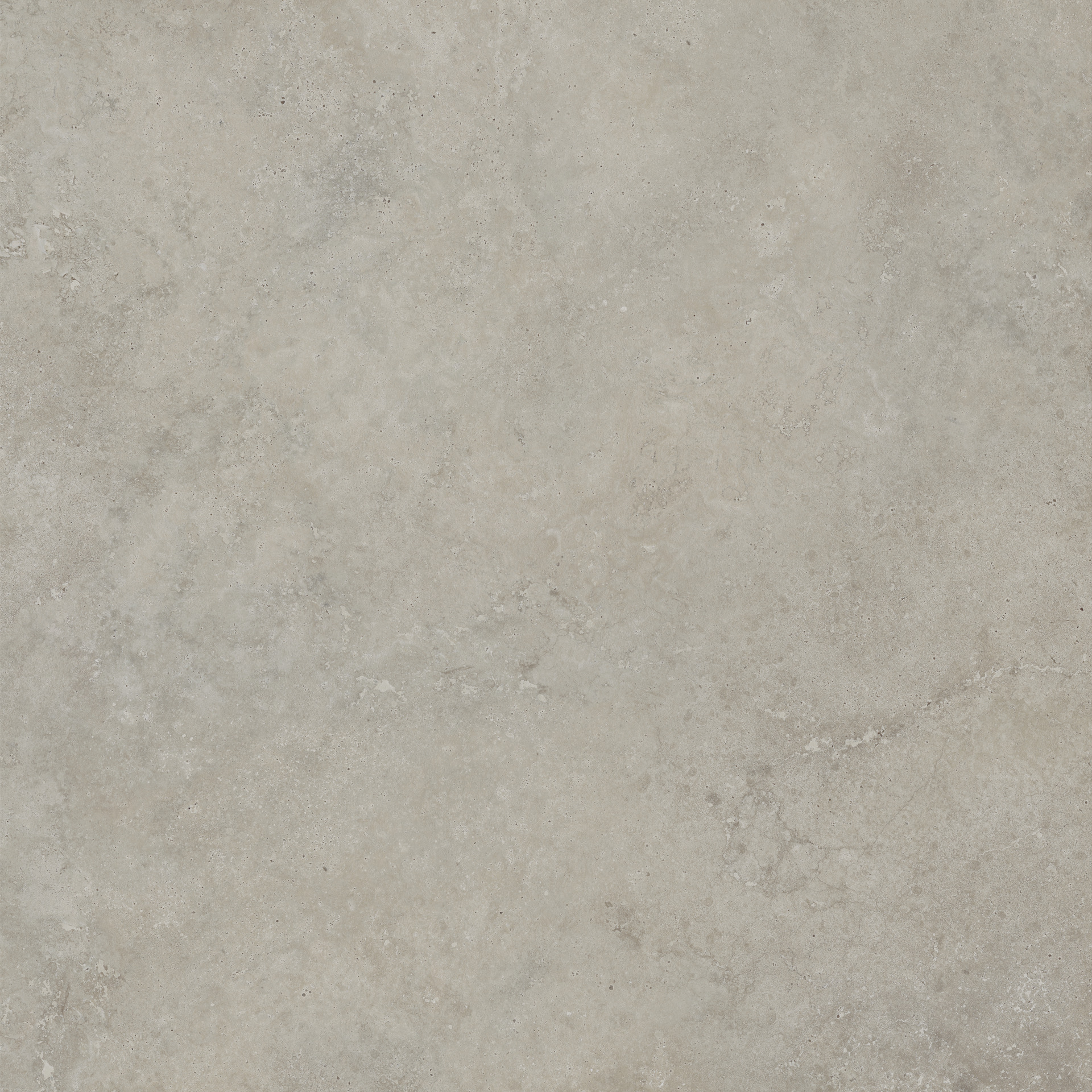
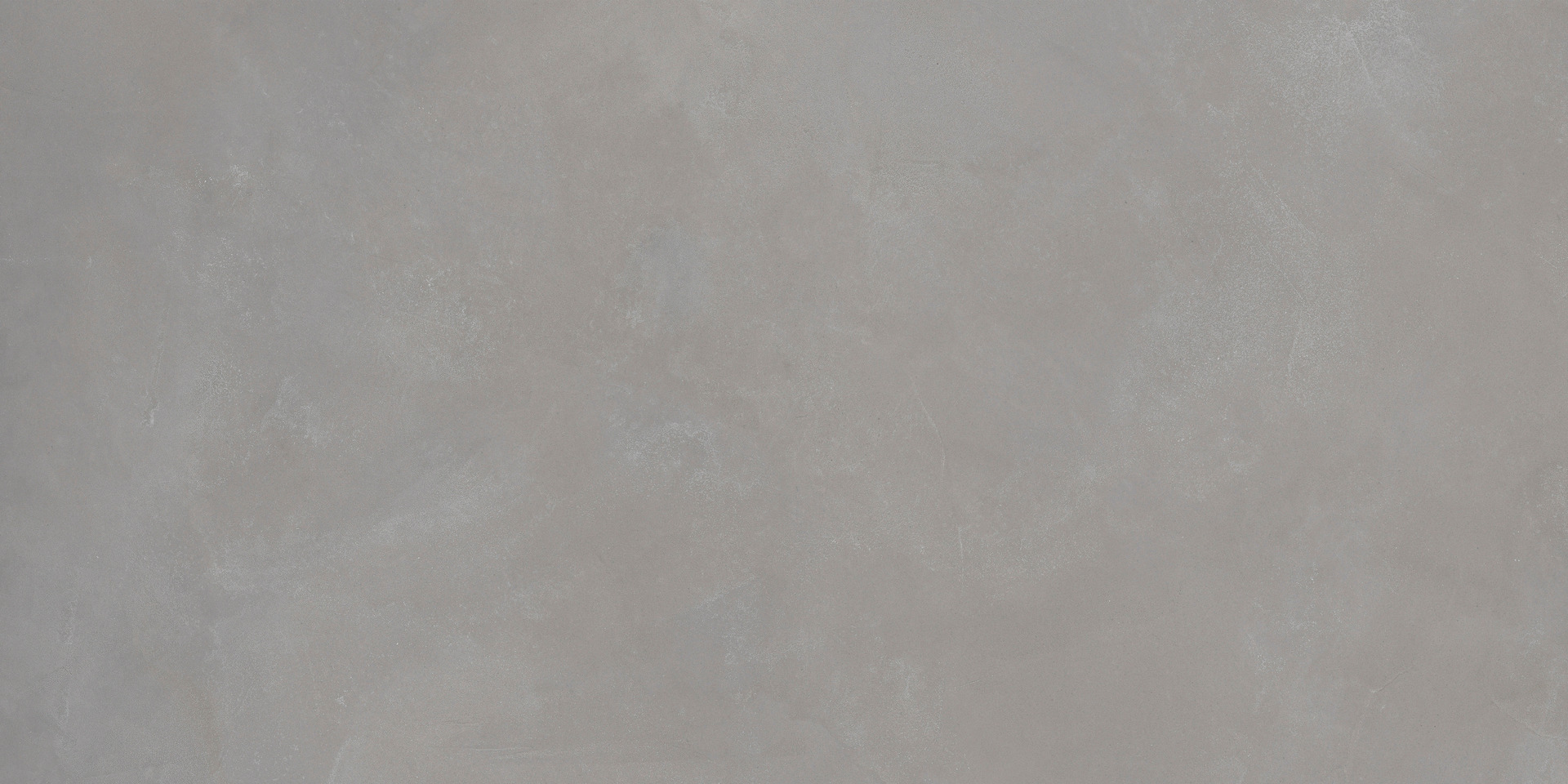






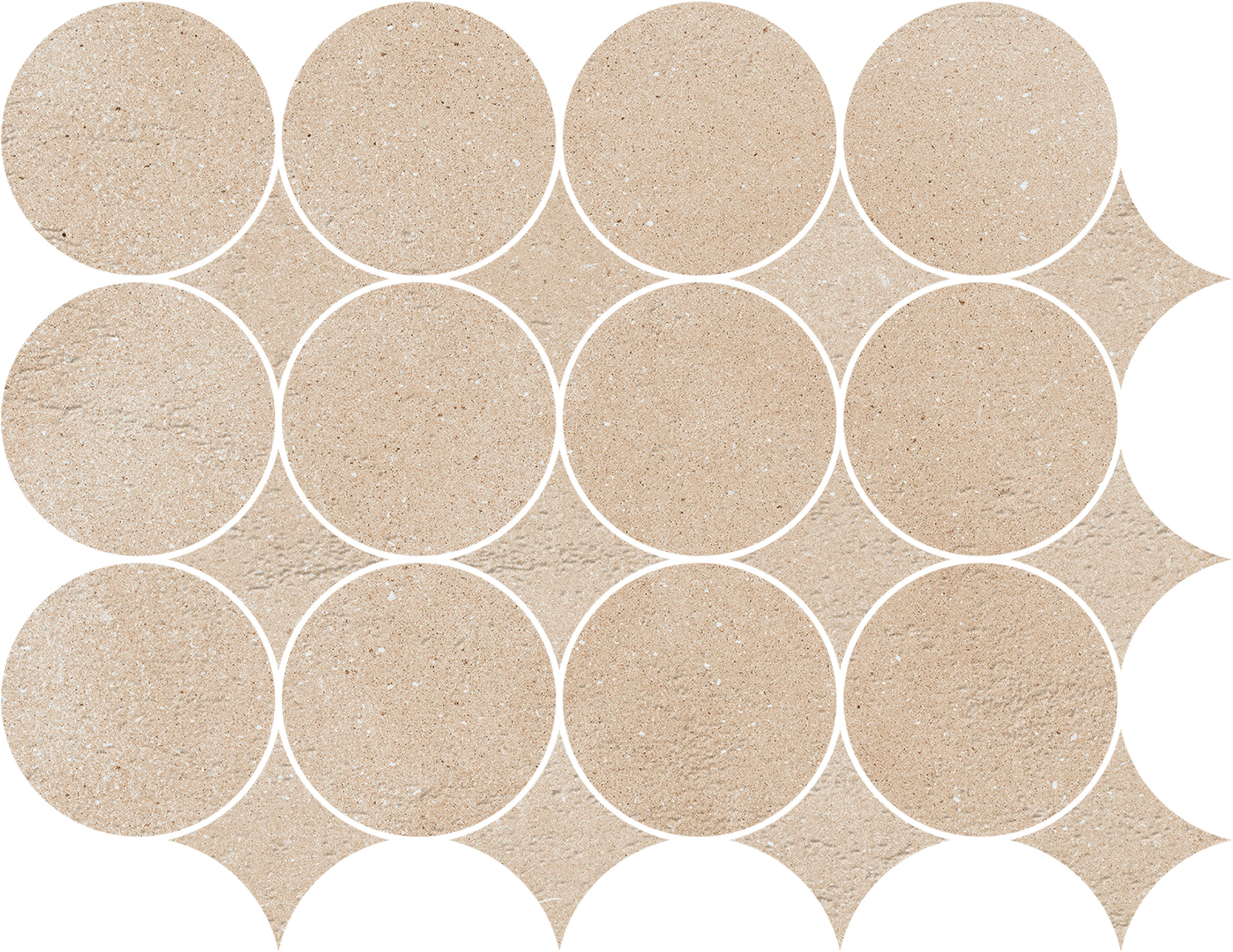
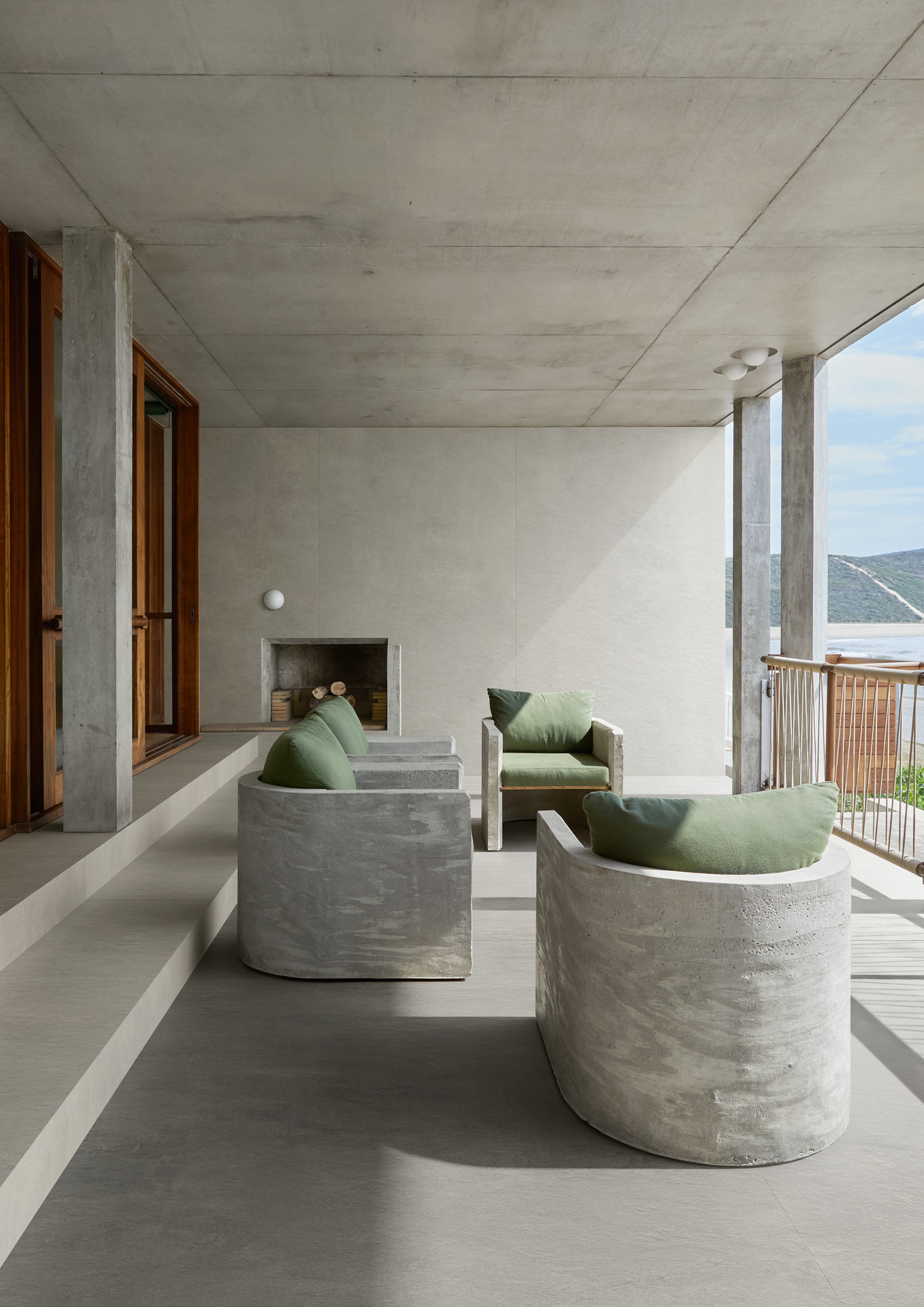
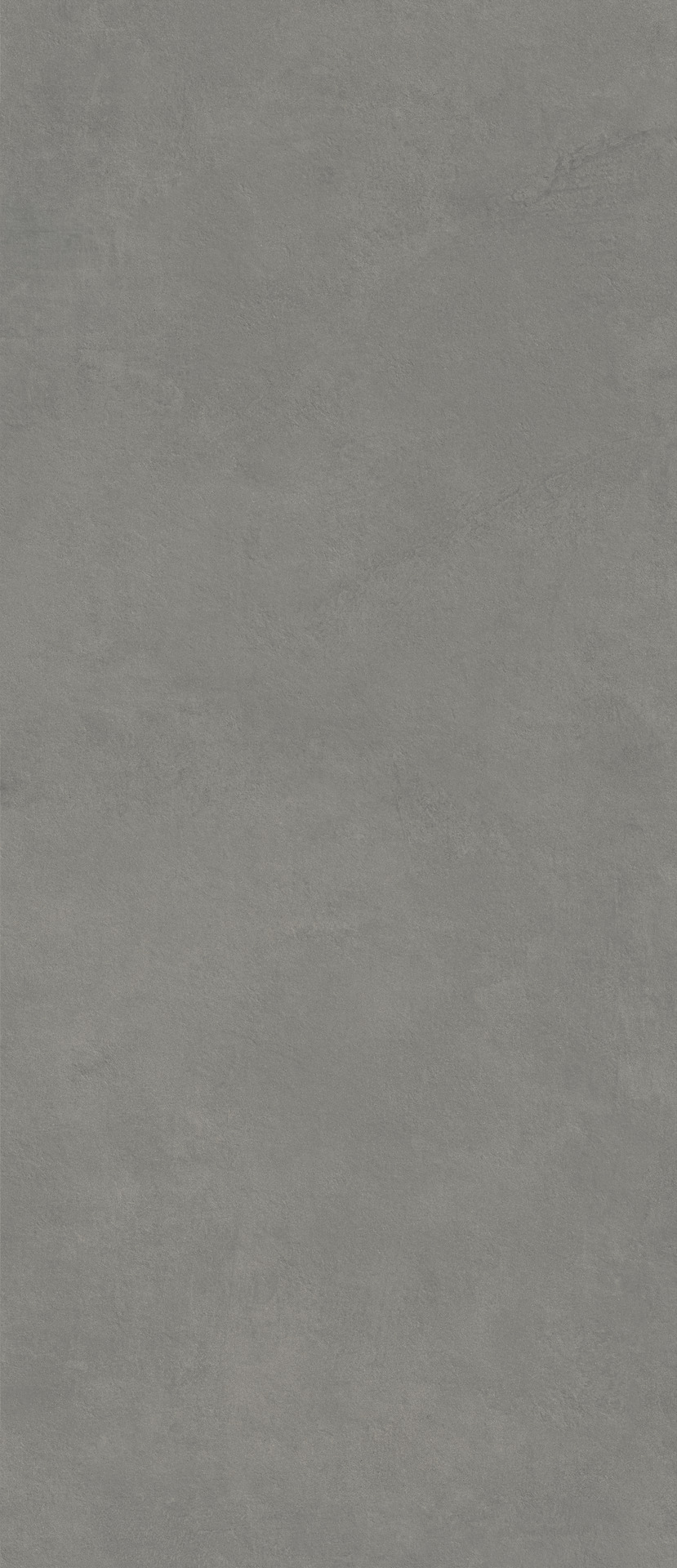
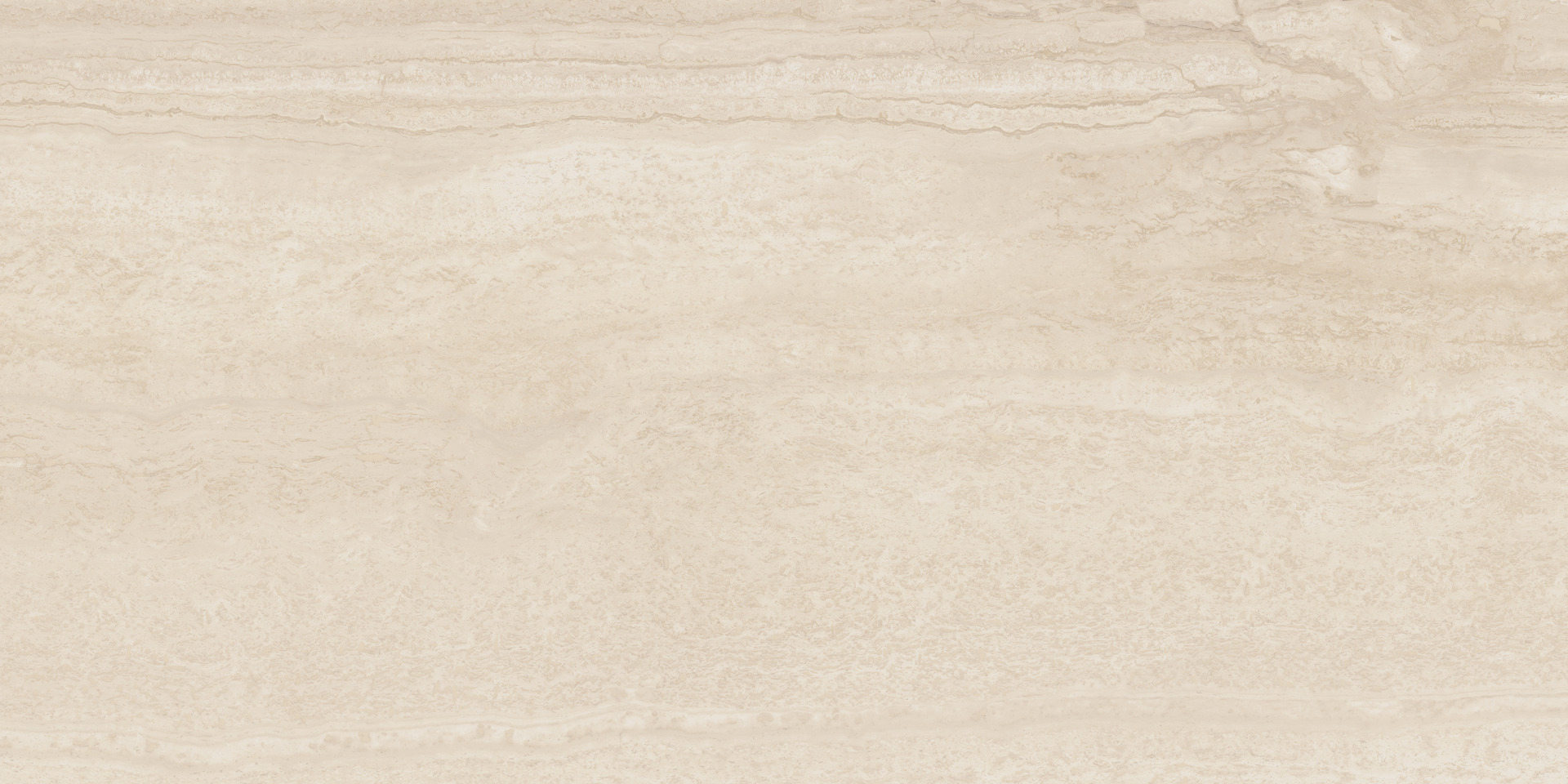
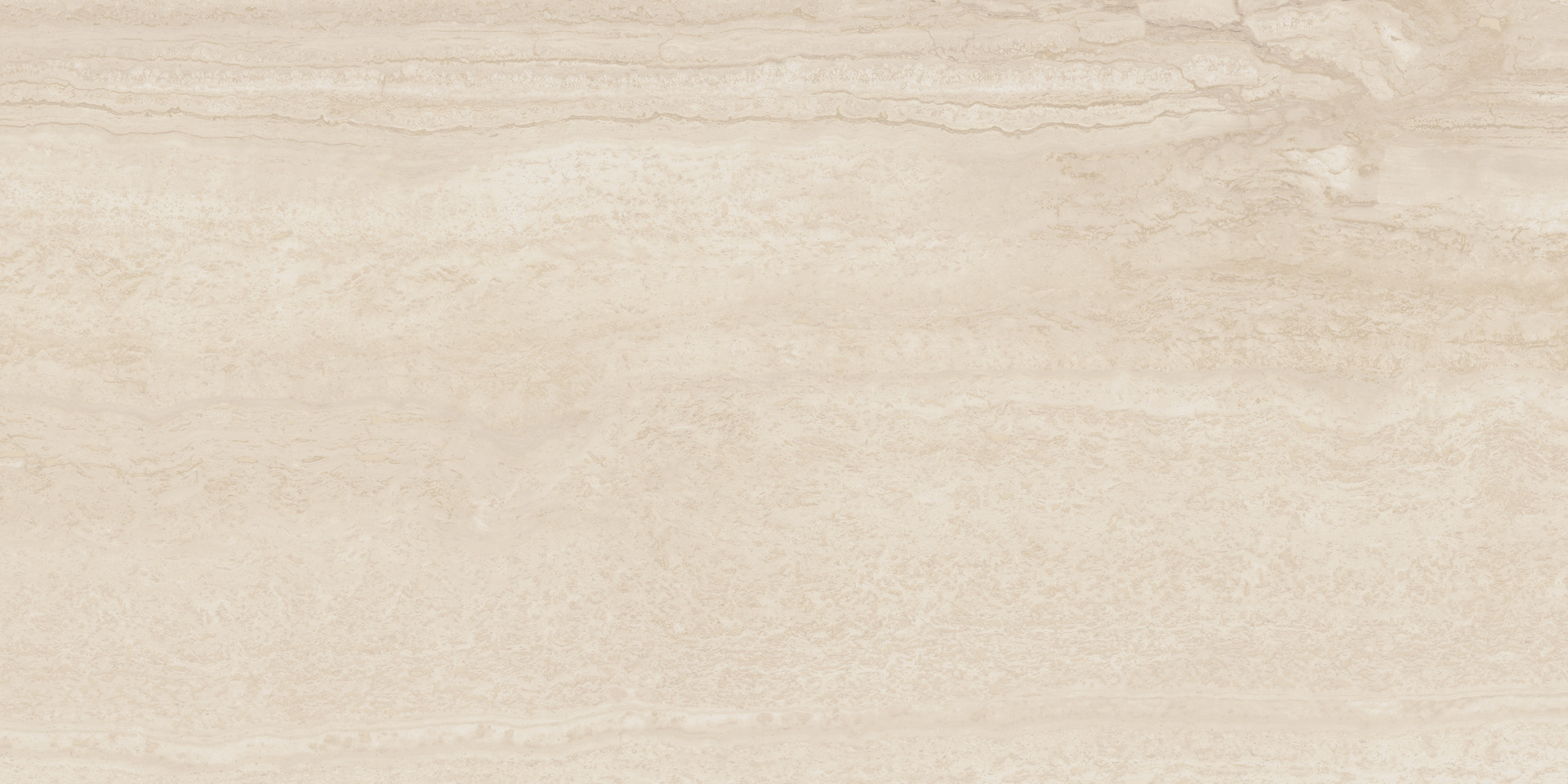
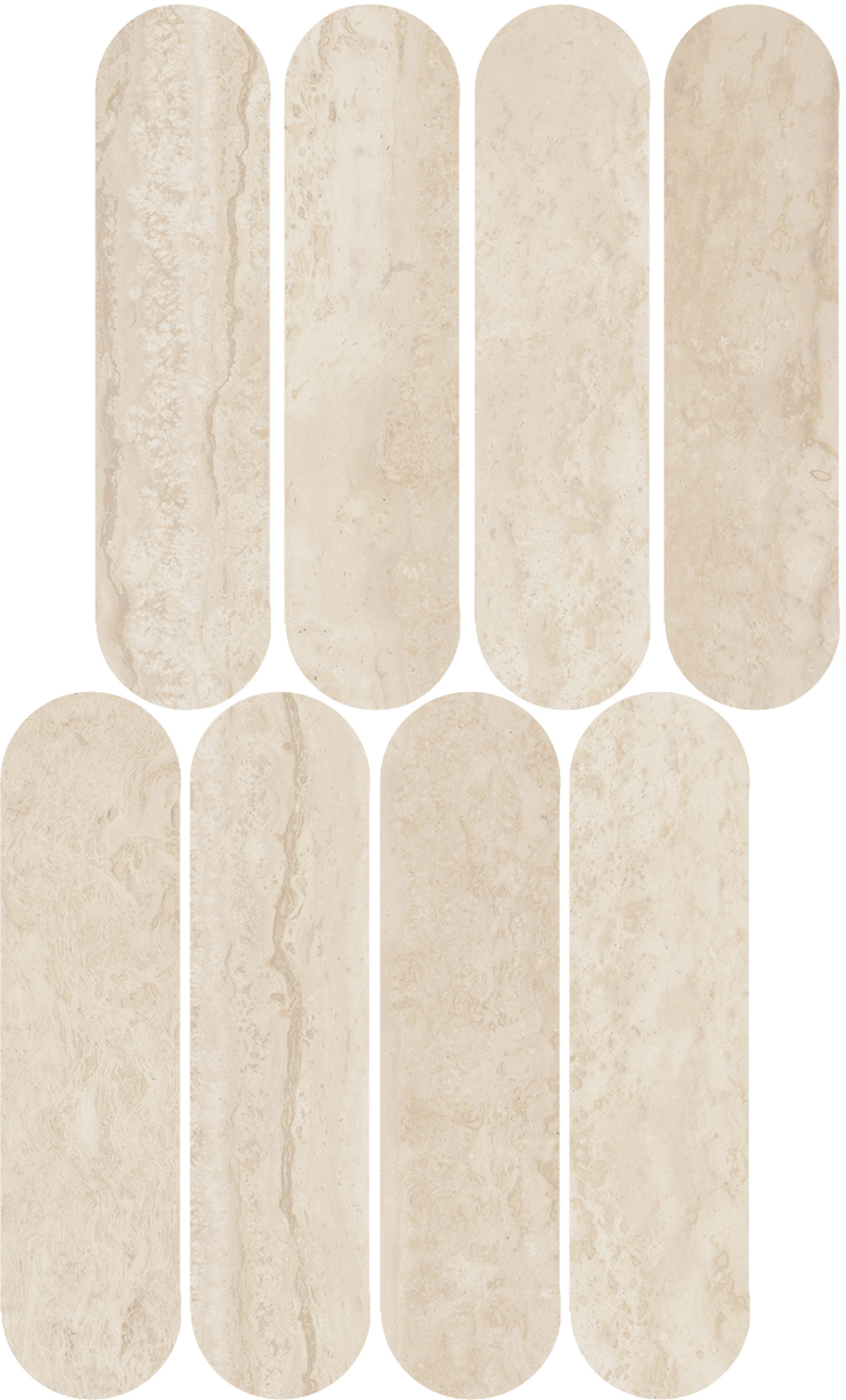
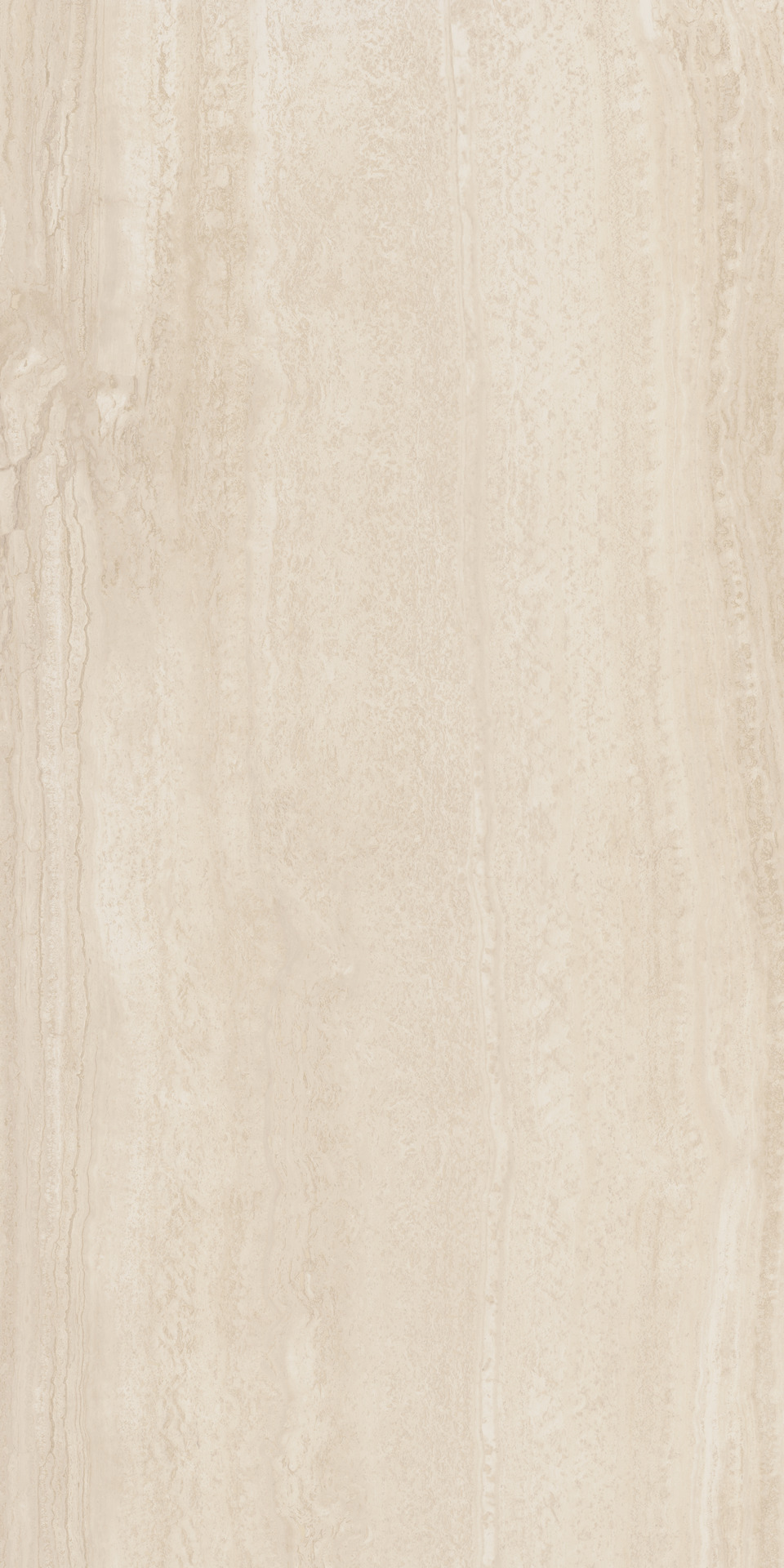

Grande Stone Look
- Colors 37
- Surfaces 5
- Sizes 4



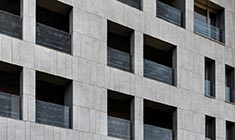 Ventilated facades
Ventilated walls's functionality and benefits
 Raised Floors
Functuality and benefits





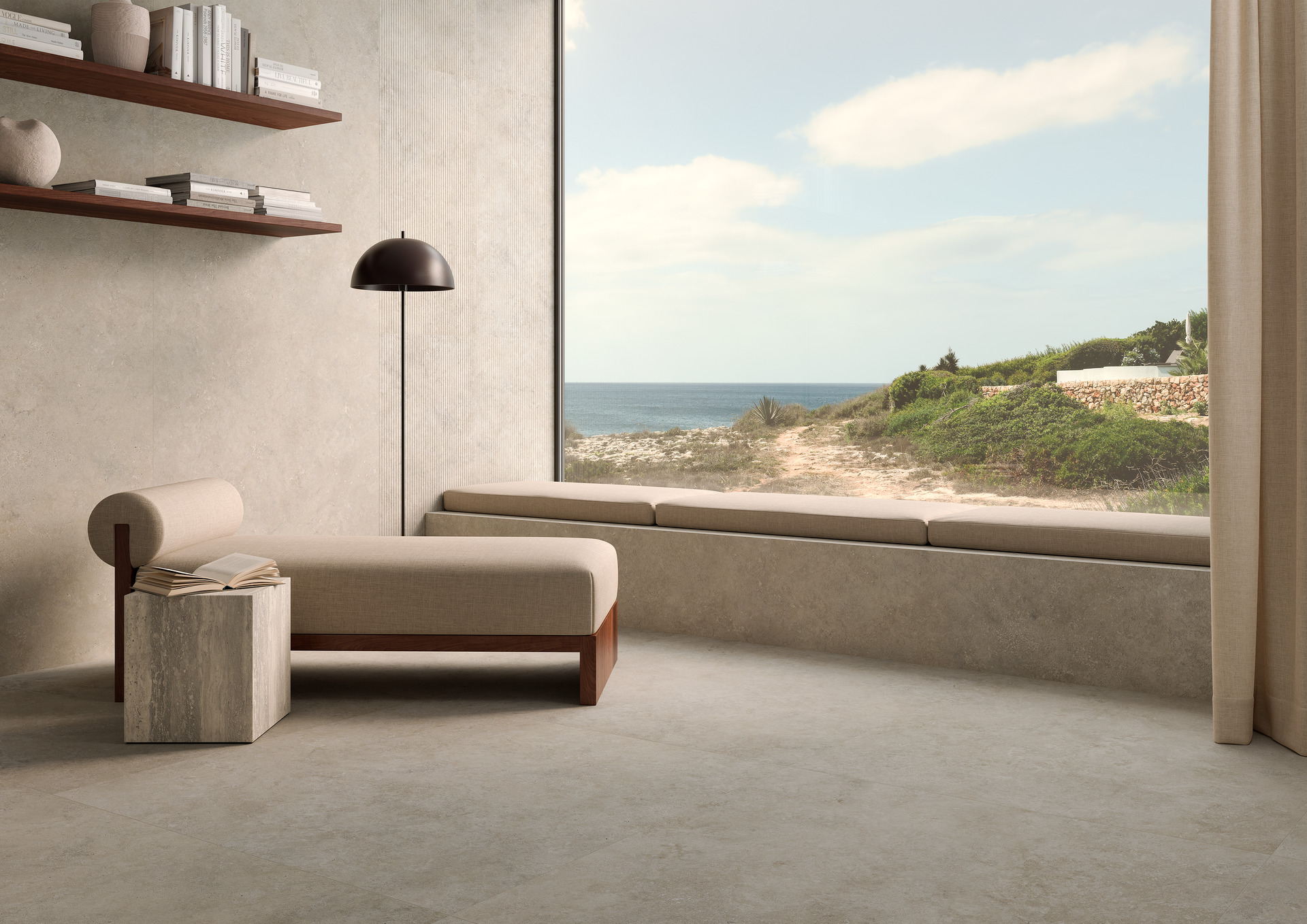
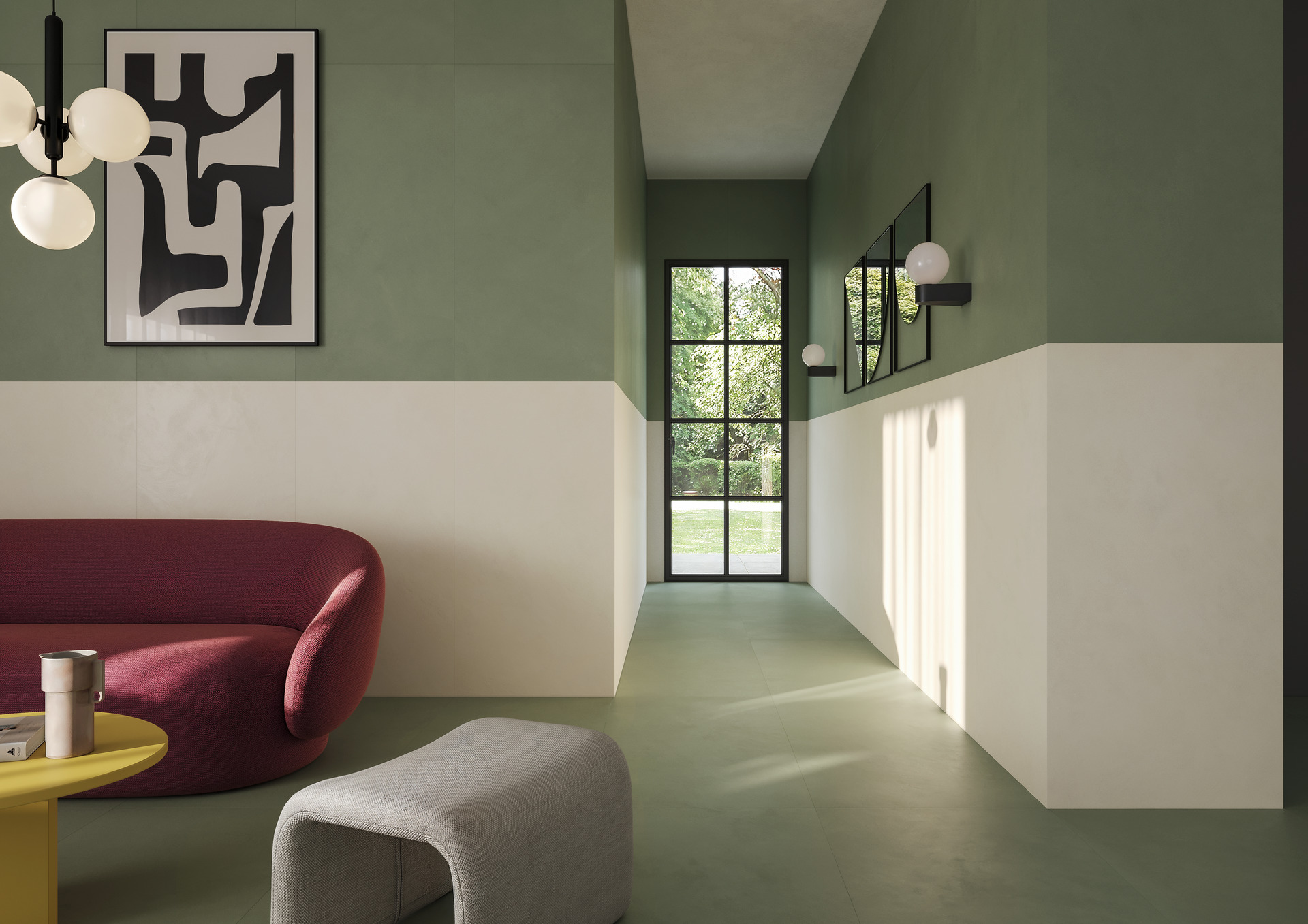
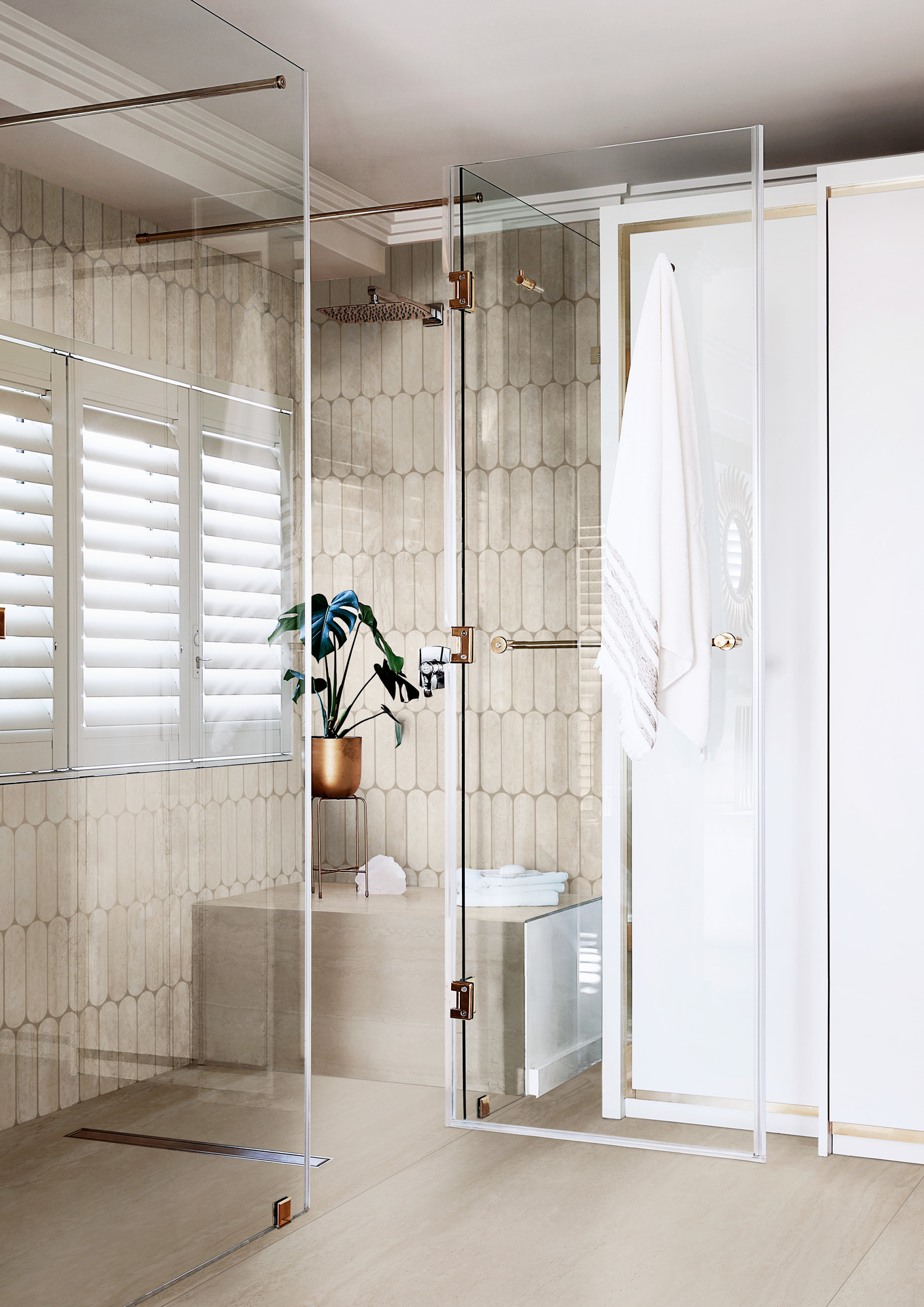
Designing coordinated flooring and wall covering allows you to create more continuous spaces thanks to surfaces that share the same material effect. Discover Marazzi collections suitable for installation both on floors and walls.

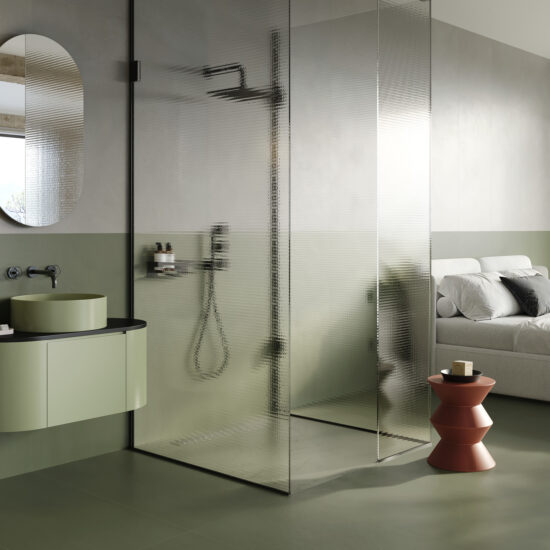
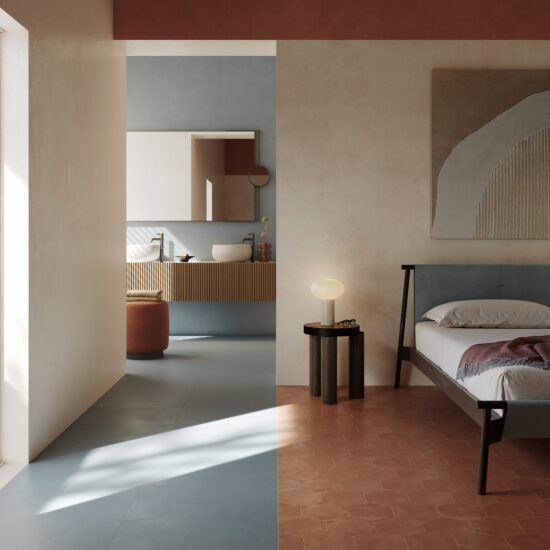
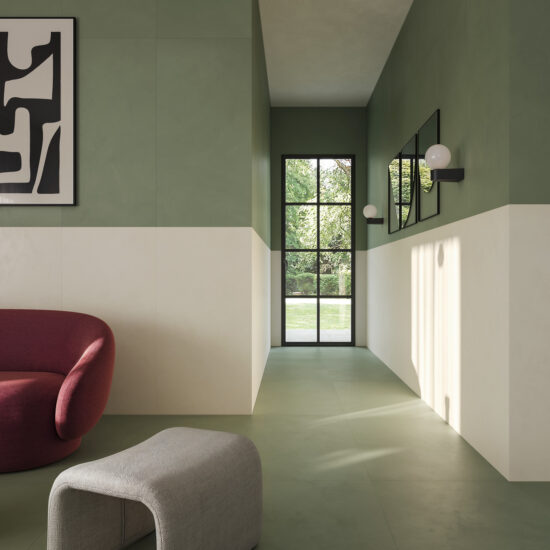
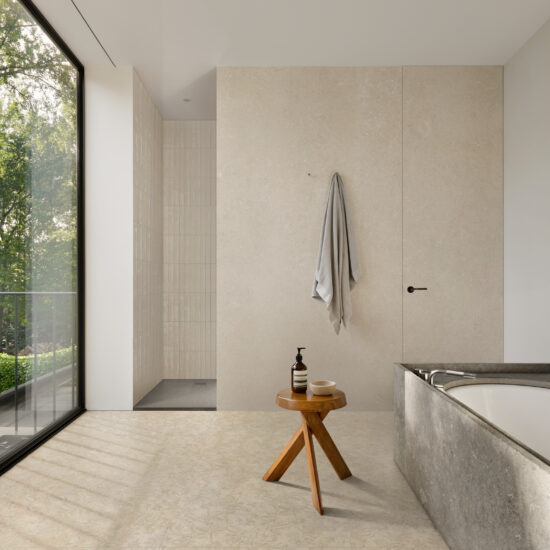
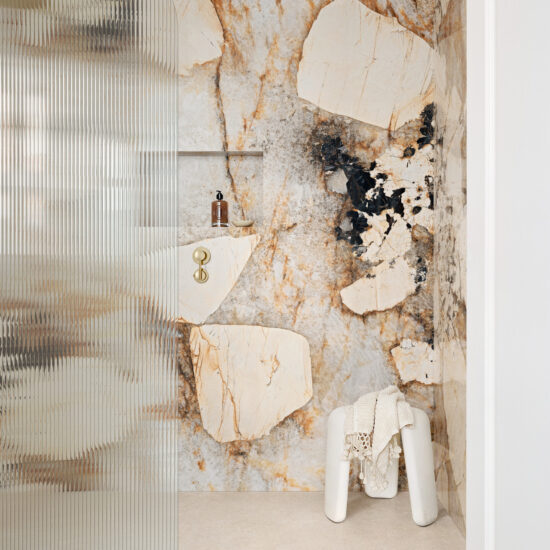
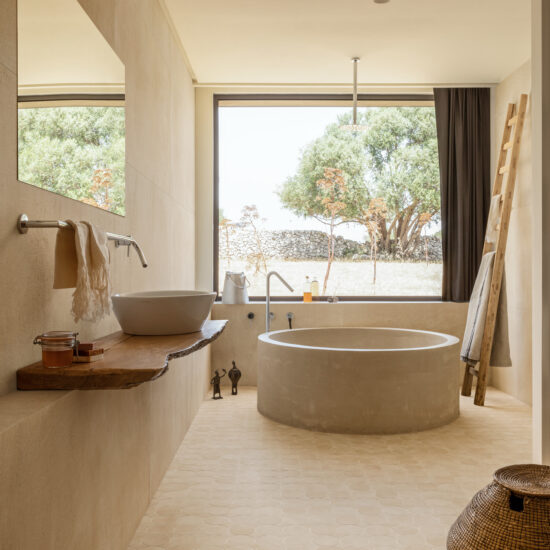
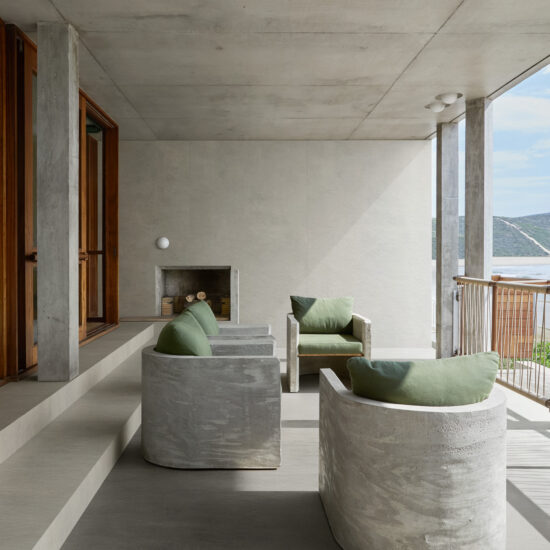
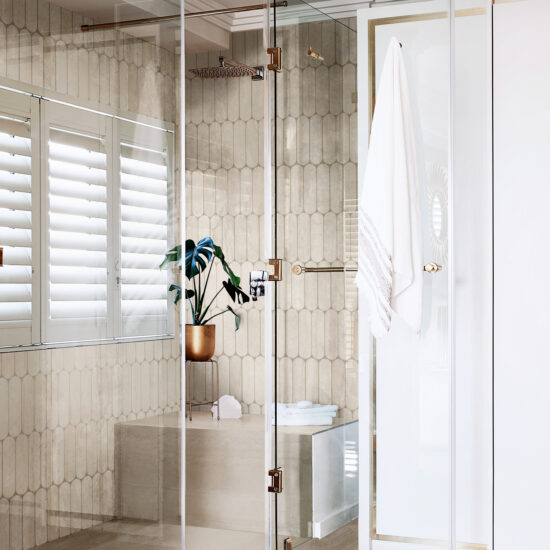


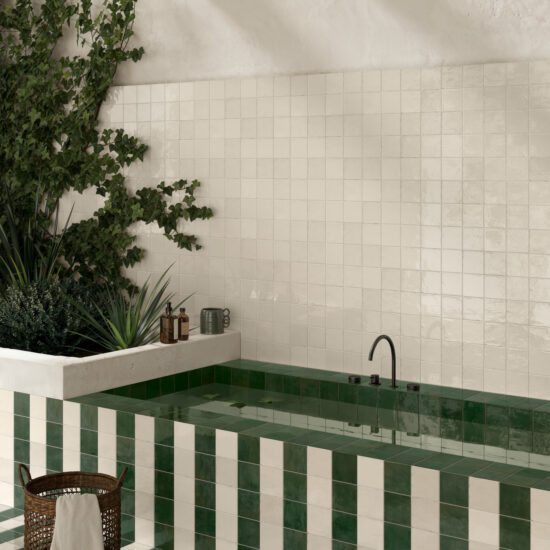

A coordinated project does not necessarily require the floor and wall to be identical in every detail. Continuity can arise from the same porcelain stoneware used on both surfaces, or from collections with matching color and effect but different textures, reliefs, or finishes.
When choosing, it is therefore advisable to consider together effect, color, format and finish, always checking the intended use of each item. Porcelain stoneware can accompany the project from the floor to the wall, while some ceramic coverings, such as white body or thin thickness ones, are designed exclusively for vertical surfaces.
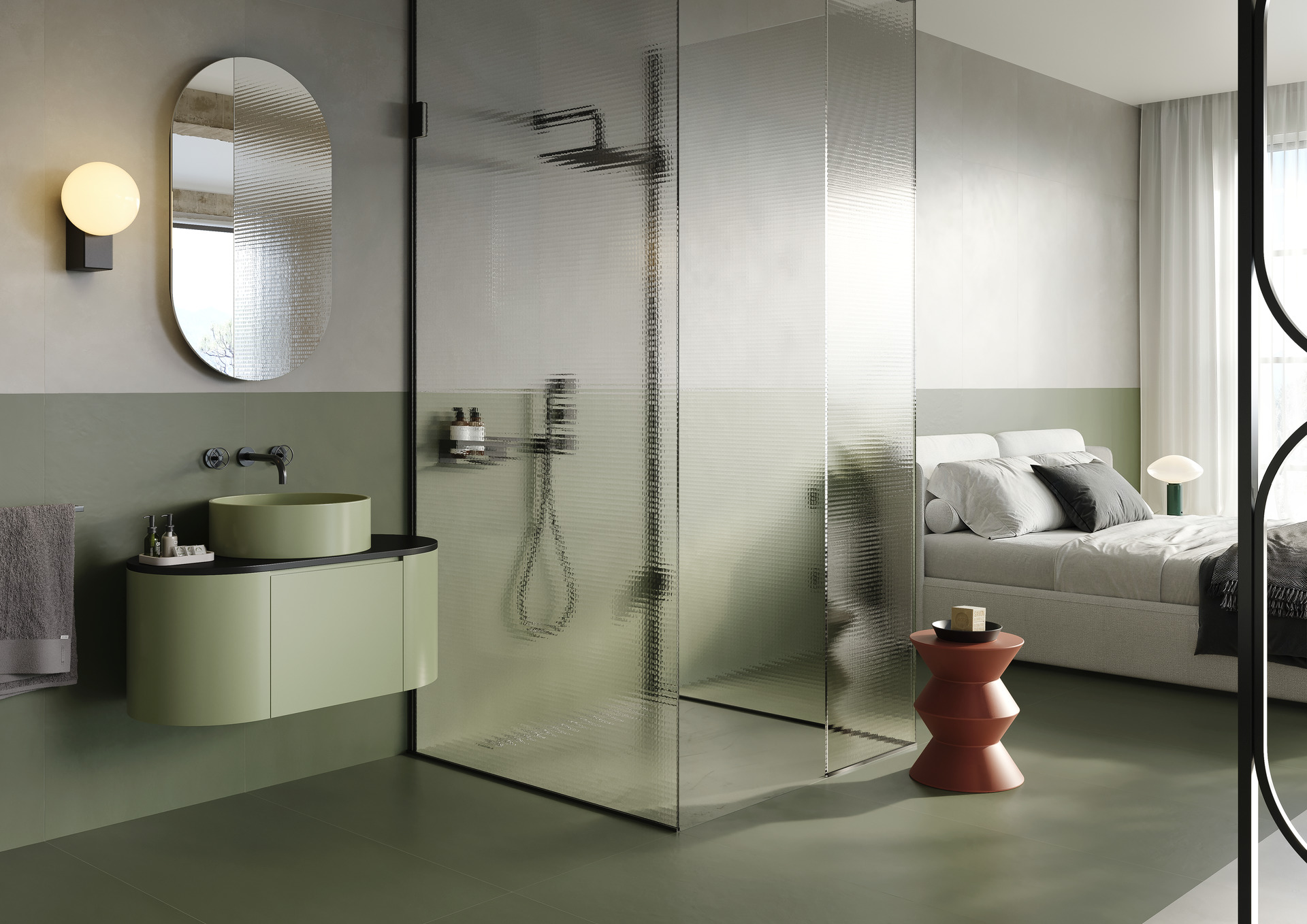
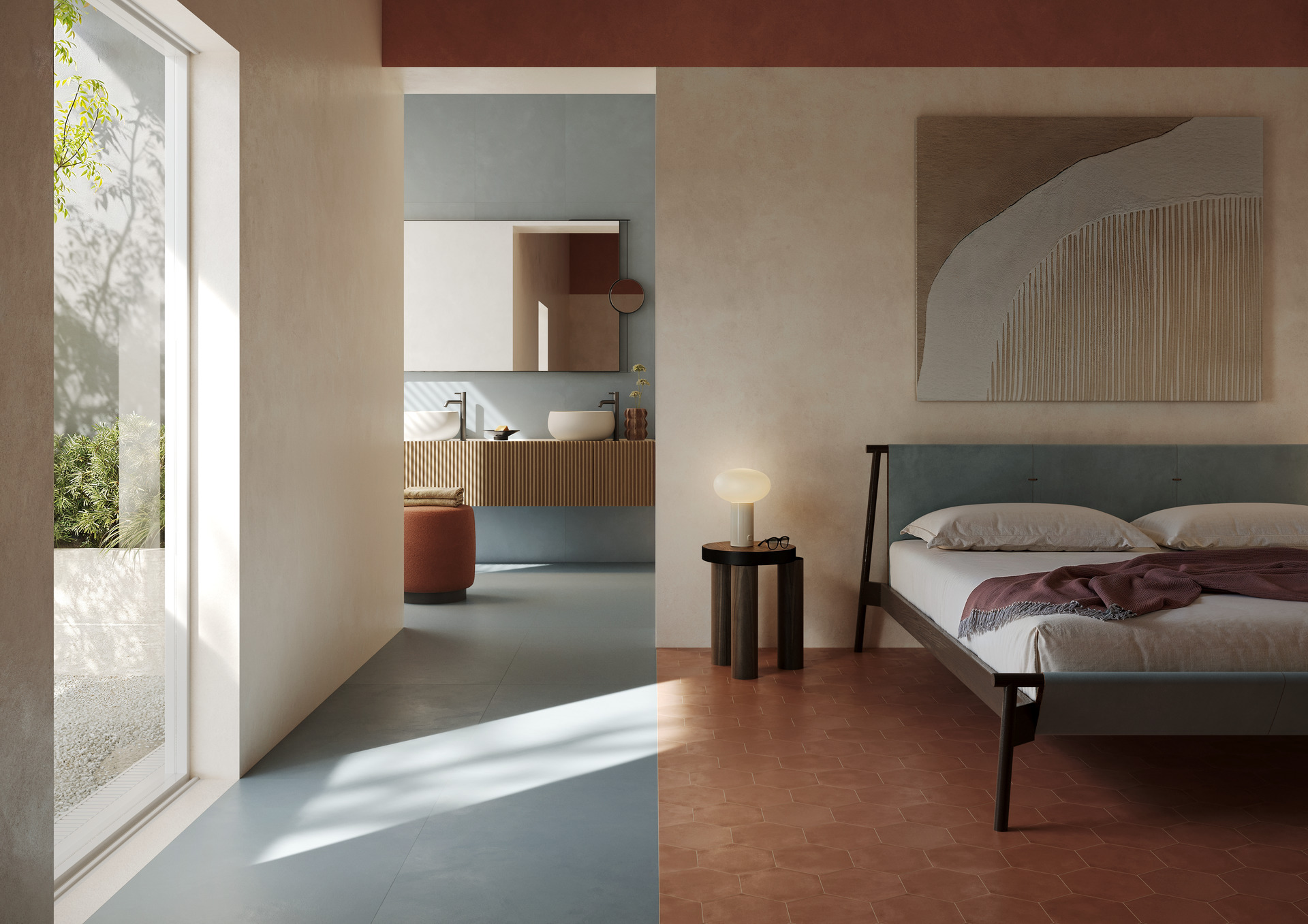
When floor and walls share the same effect, visual breaks between one surface and another disappear and the space is perceived as a single, larger, and more harmonious volume. It is one of the most effective strategies to make a room appear larger.
Porcelain stoneware remains the same material on both surfaces. The way it is installed differs between floor and wall, while the aesthetic result remains identical.
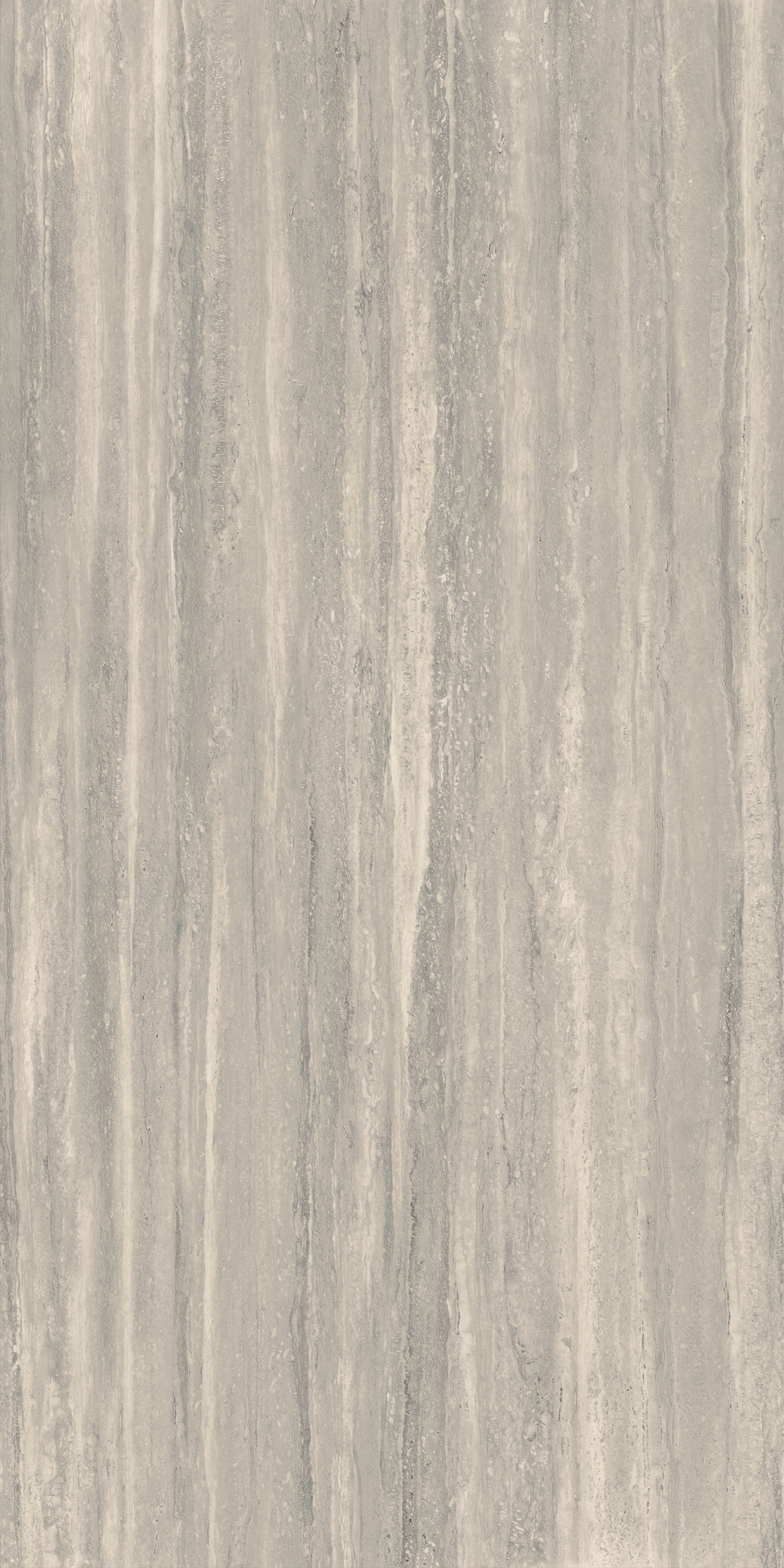
The continuity between floor and wall is possible with any effect of porcelain stoneware. It can arise from the substance of thestone effect, from the veining of themarble effect, from the essential surfaces of theconcrete effect and theresin effect, from the warmth of thewood effect or from the solid color tones of the unicolor finishes.
What changes is the way it is achieved, depending on the desired result.
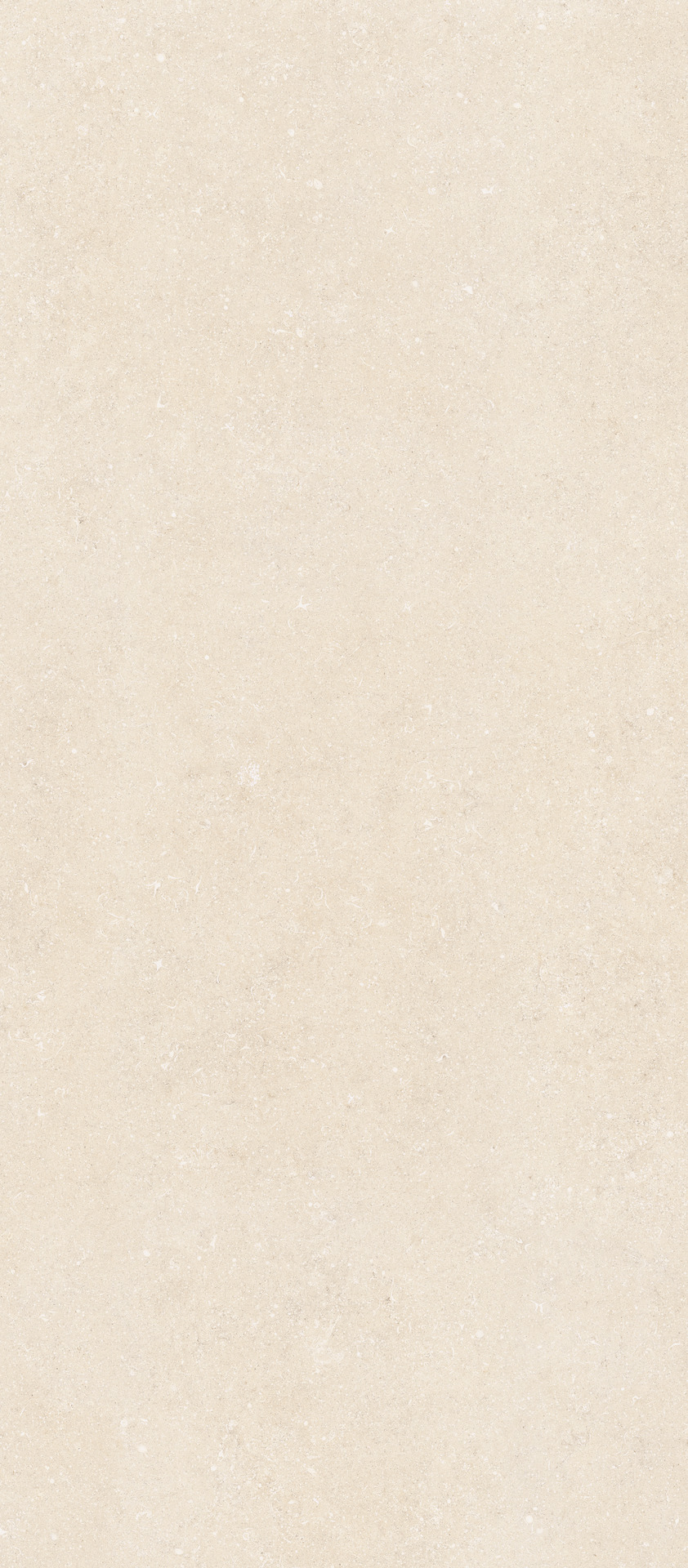
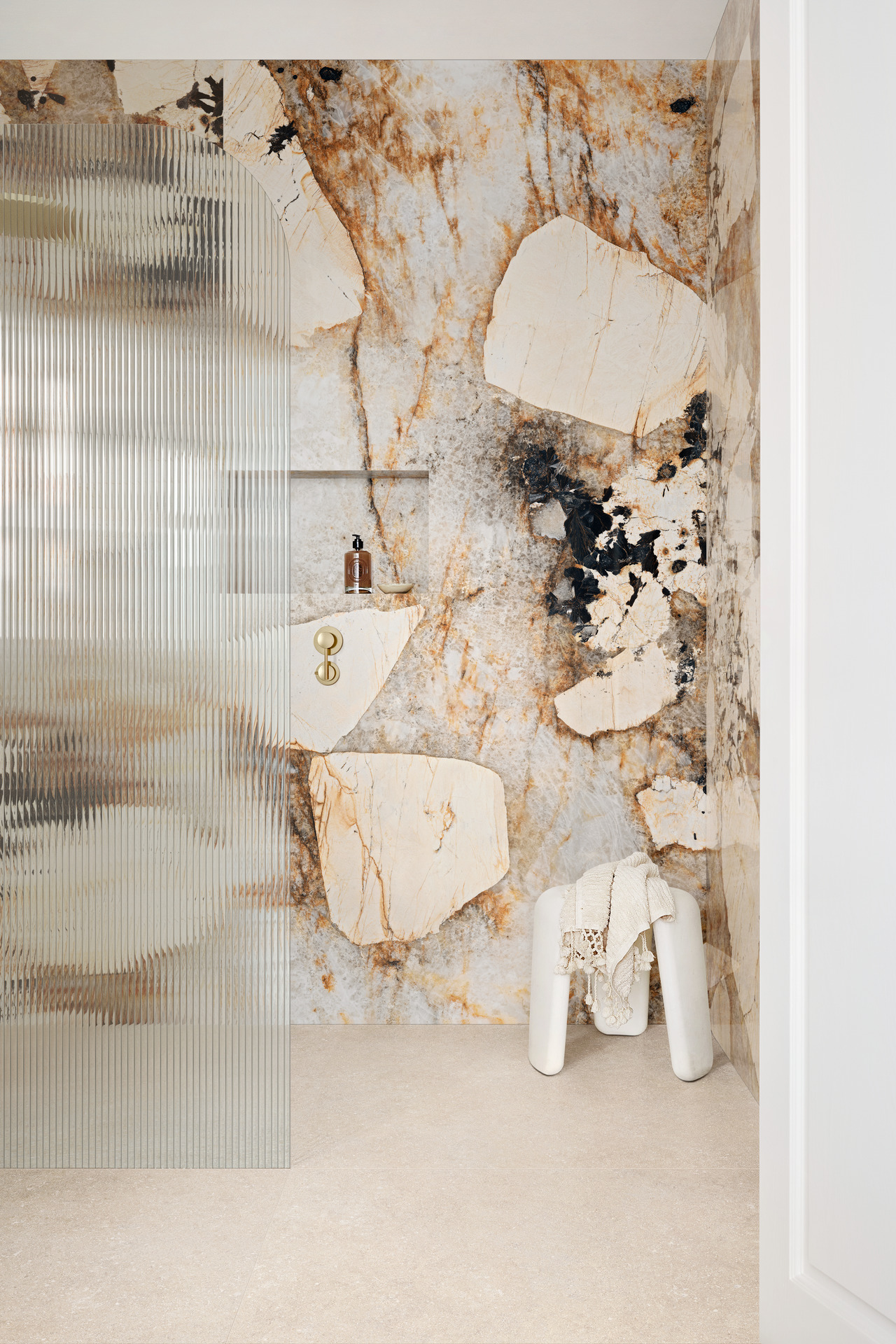
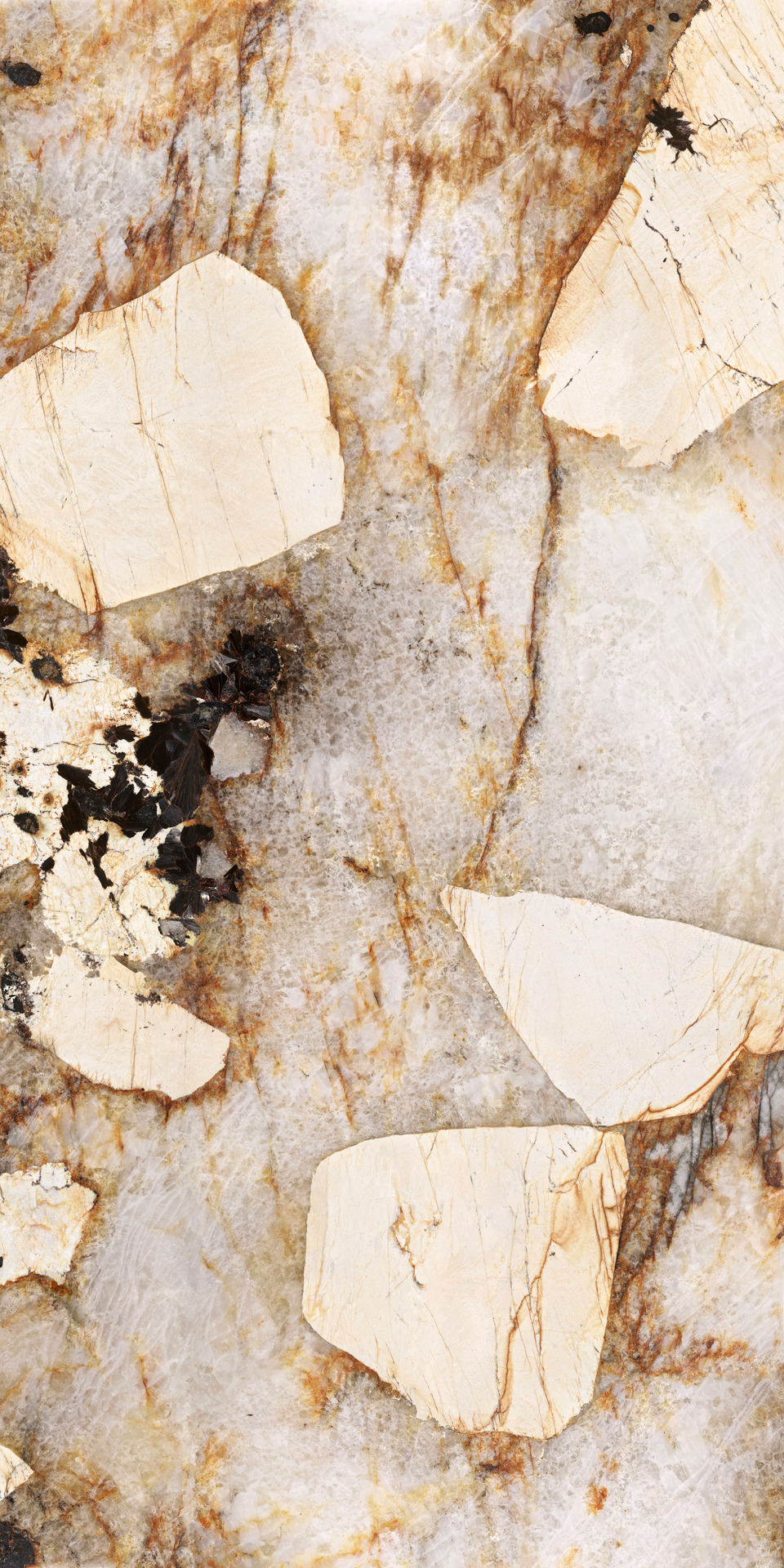
The most direct way to achieve continuity is through large format tiles, which minimize joints and transform floors and walls into almost uninterrupted surfaces. The slabs from the Grande collection cover an entire wall height with a single piece and bring the same material from the floor to the cladding.
This solution especially enhances effects like marble, concrete and stone, where veins, color variations, and textures can develop over larger areas and accompany the transition from floor to wall with greater fluidity.
Many porcelain stoneware collections can be used both for flooring and cladding, allowing you to maintain the same material and effect on both surfaces.
This is the case for Mystone Tivoli, a light and bright stone effect with high-definition 3D graphics and high-resistance surfaces, designed to accompany floor and wall in the same project. Also Mystone Pietra di Sicilia brings the warmth of Sicilian stone to both surfaces, for a cohesive space. With Nobilis the wood effect continues seamlessly: the 3D graphics and synchronized structure allow the warmth of walnut to rise from floor to wall.
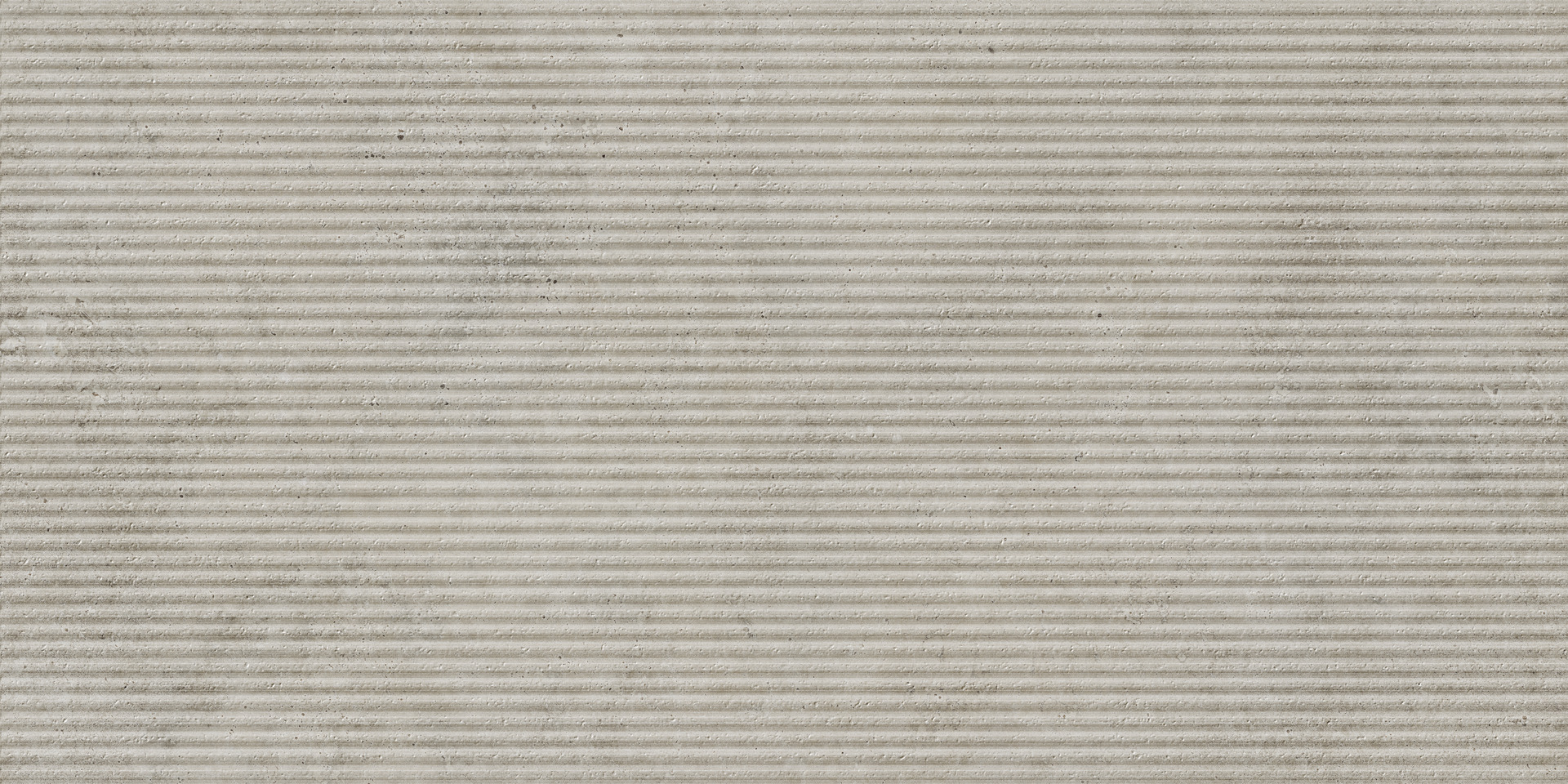
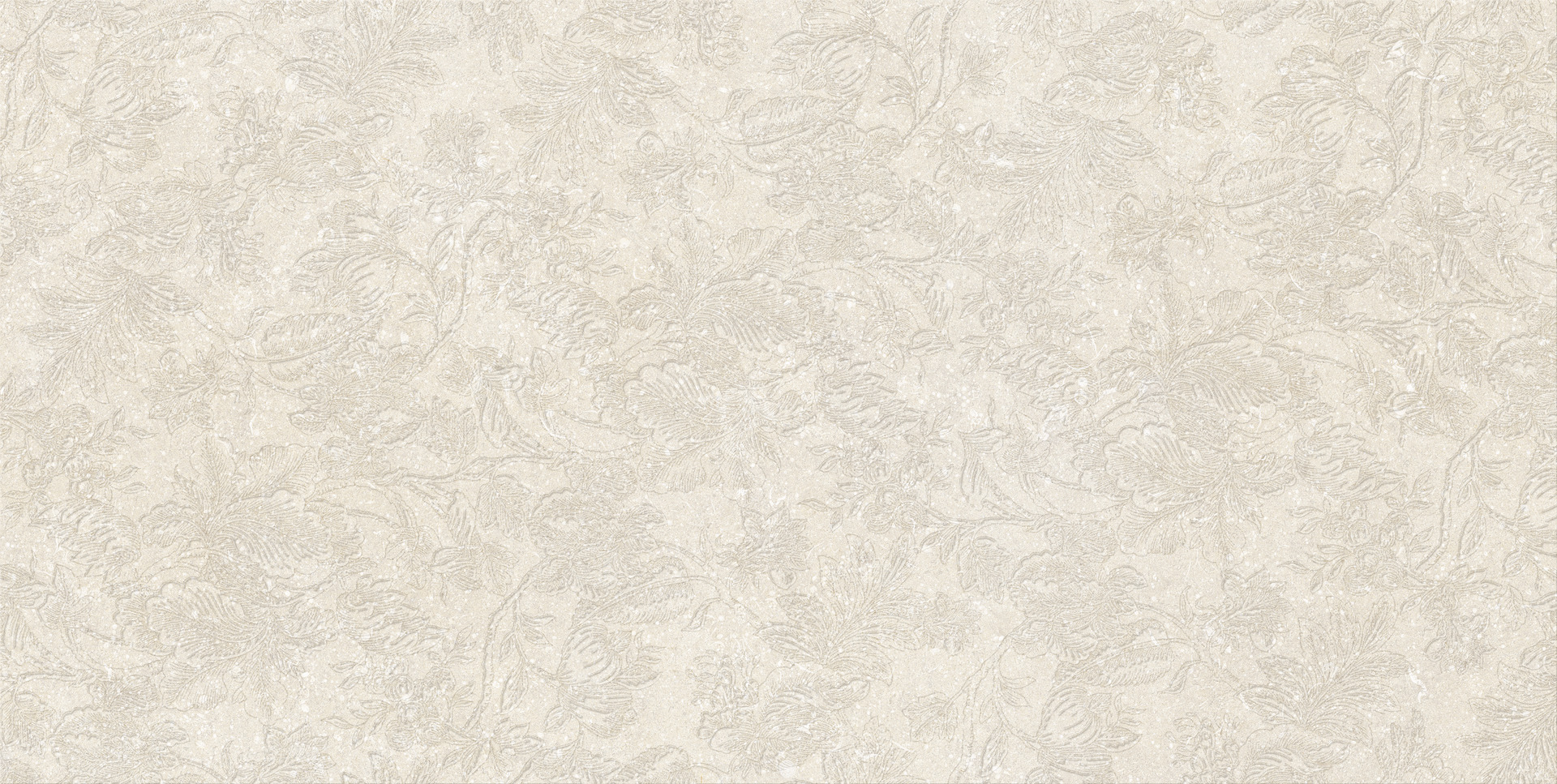
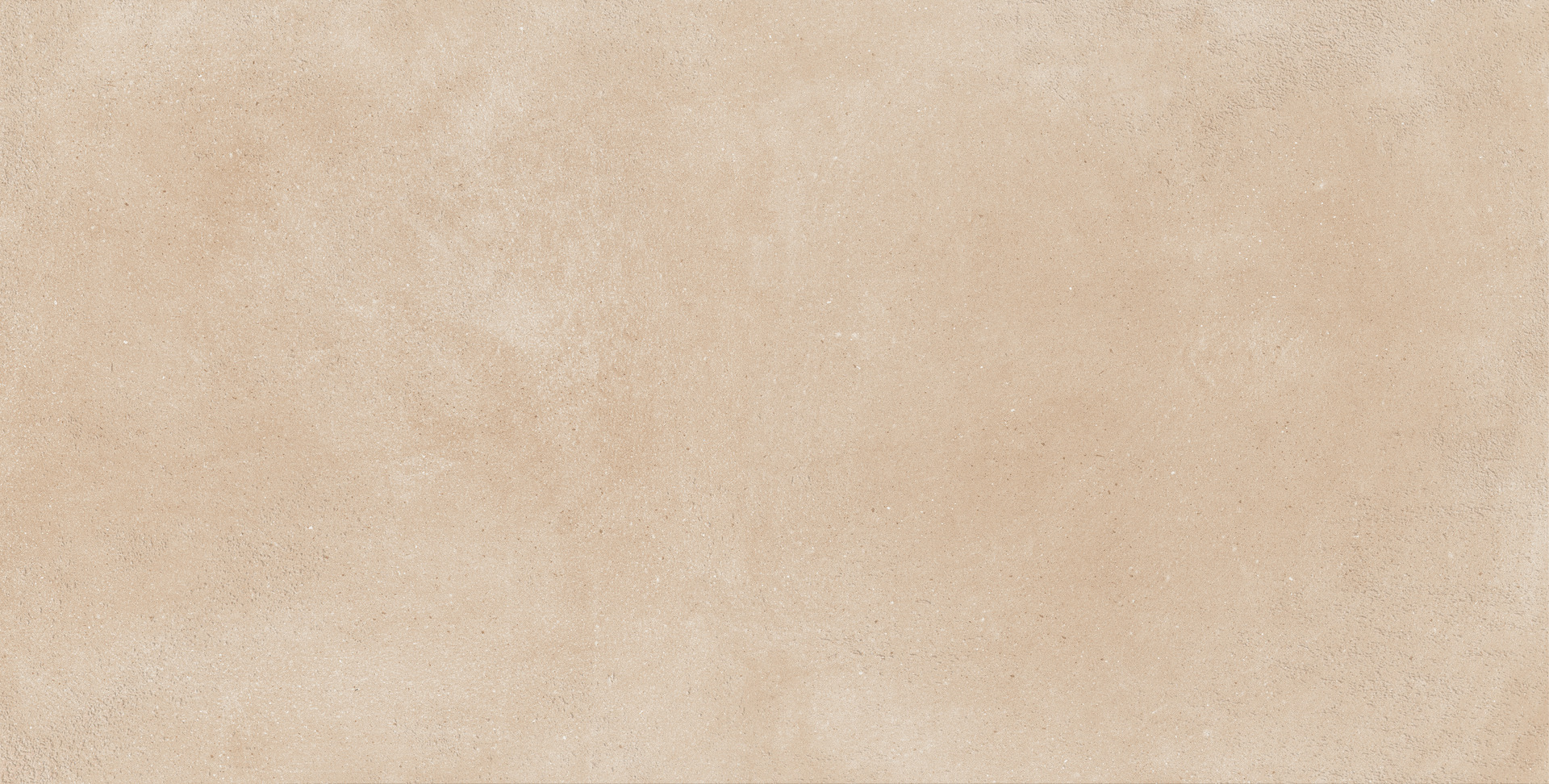
In other cases, the coordinated project instead arises from the combination of a porcelain floor and a cladding from the same aesthetic family. Cementum and Cementum Wall, Mystone Pietra di Sardegna and Pietra di Sardegna Wall, or Campaspero and Campaspero Wall allow you to maintain a common chromatic and material base, introducing on the wall textures, reliefs or specific finishes .
When veins and strong patterns are absent, color becomes the protagonist and continuity becomes more pronounced: solid colors and more uniform effects allow you to use color as a unifying element.
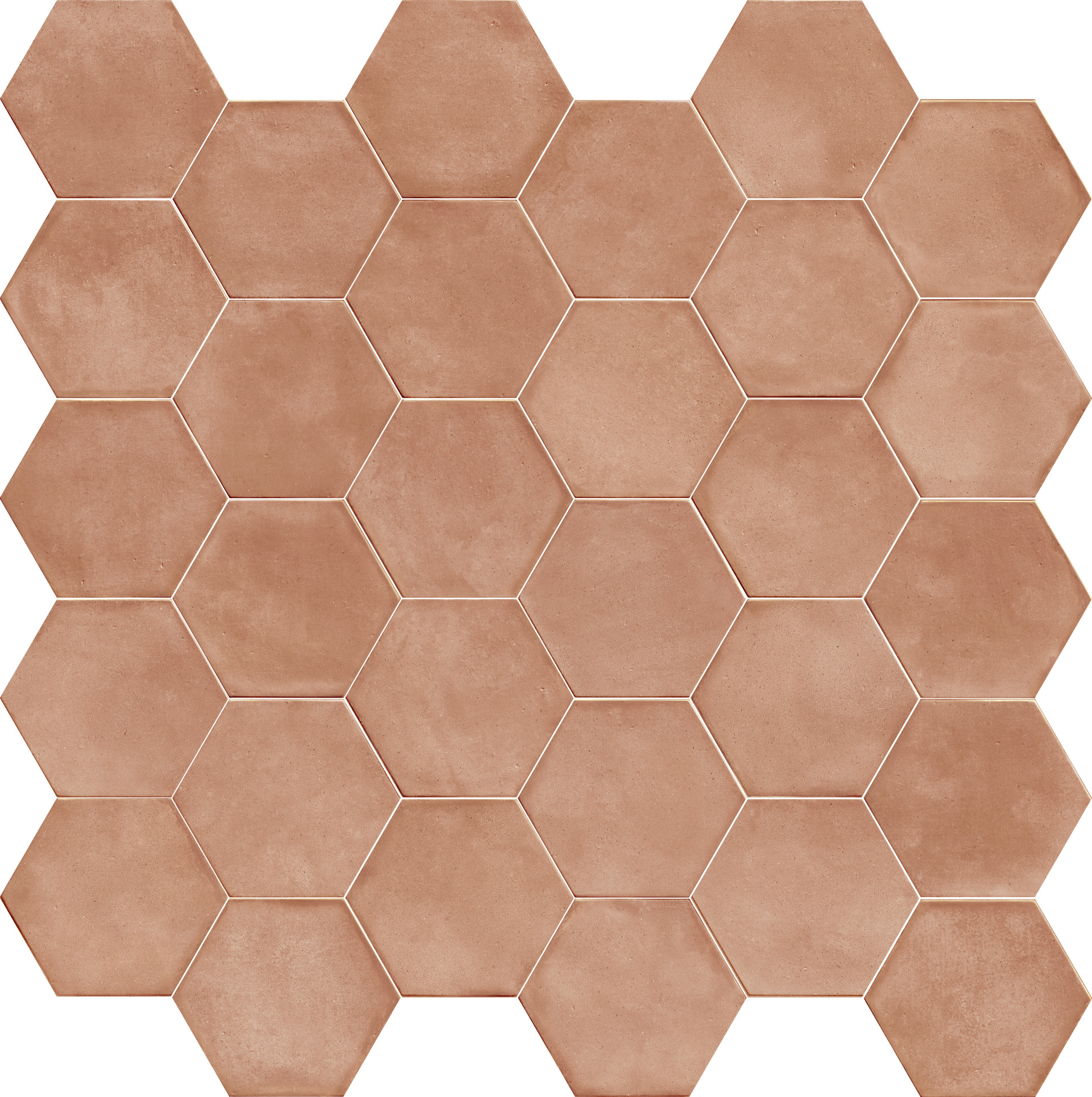
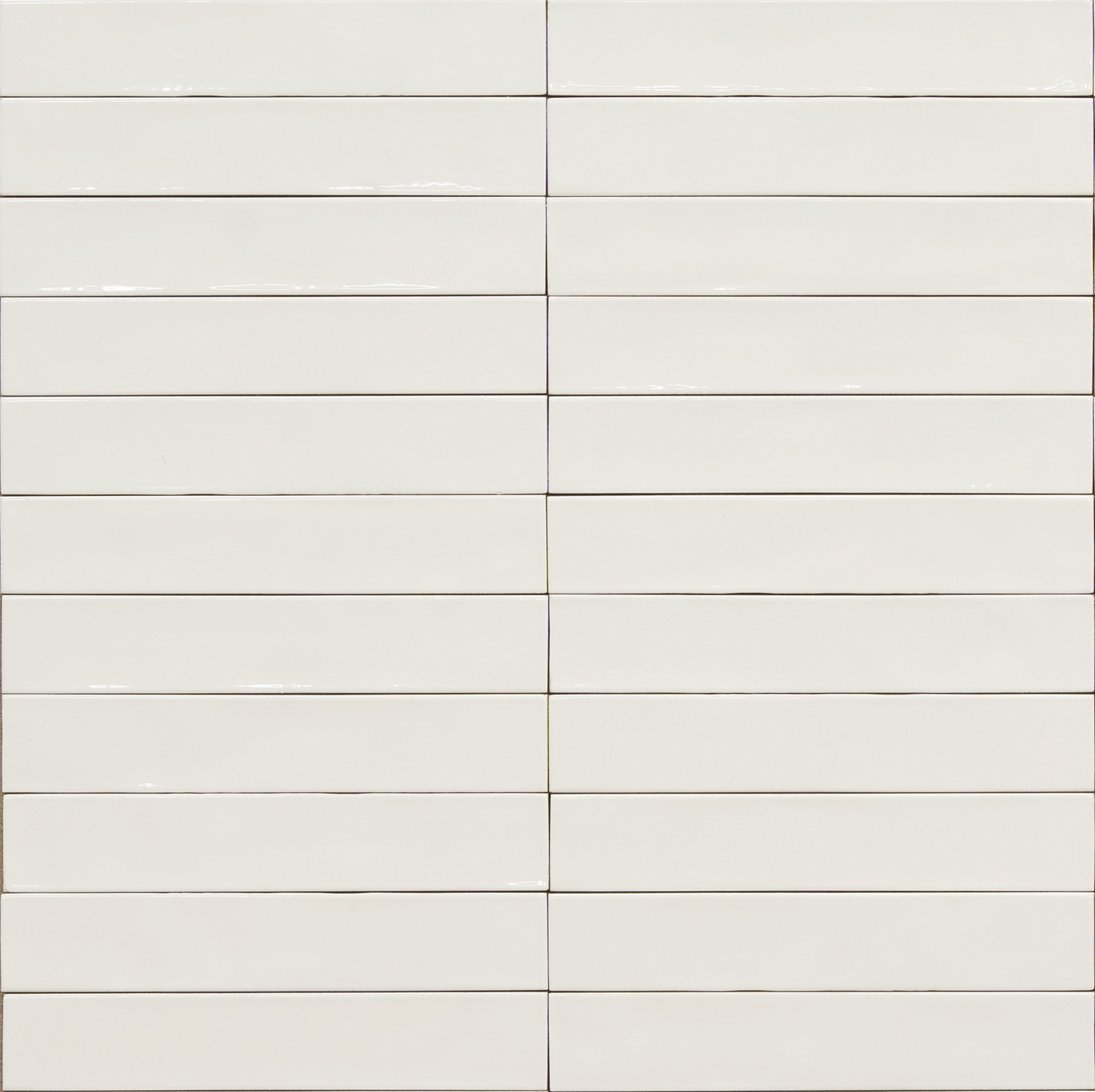
Lume offers a wide palette of sixteen glossy porcelain colors with a majolica effect, suitable for creating a tone-on-tone shell on both floor and wall. Resin follows the same idea with a matte resin effect, with a uniform and contemporary surface. For those seeking maximum continuity, Grande Solid Color combines solid color with large slabs and minimizes joints. Terralux reinterprets glazed terracotta in eight bright colors: the smooth floor version can be paired with a raised wall version in the same shade.
Collections in porcelain stoneware represent the most immediate solution for a coordinated project, as they can be used both on floors and claddings, maintaining continuity of material, color, and effect.
However, not all ceramic surfaces have the same intended use. Some decorative claddings, including thin solutions designed specifically for walls, are not suitable for foot traffic. In these cases, continuity is achieved by combining a porcelain floor with a coordinated wall covering, or by continuing the same porcelain onto the vertical surface.
For floors, it is therefore essential to check that the product is suitable for foot traffic and consistent with the intended use of the space. The final choice can be evaluated with the designer, taking into account not only aesthetics but also comfort and the practical needs of the room.
Not necessarily. Continuity can arise from shared color, effect, and material, even when format and finish change between floor and wall.
Yes. When floor and wall are made from the same porcelain stoneware, maintenance follows the same basic principles on both surfaces. For more information, you can consult the guide on how to clean porcelain stoneware.
