




















Rice
- Colors 4
- Surfaces 1
- Sizes 4




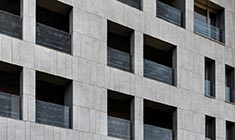 Ventilated facades
Ventilated walls's functionality and benefits
 Raised Floors
Functuality and benefits









Cement tiles can be used in many different ways: across the entire surface to create a space with a strong decorative character, or as a rug, border, or insert capable of defining an area and giving rhythm to the space.
For a more balanced result, you can start with a neutral background and concentrate the decoration only in certain spots; those seeking a bolder effect can instead opt for a total look, letting the pattern become the true protagonist of the project.
In the porcelain stoneware version, the design and color of cement tiles are reinterpreted on a resistant and easy-to-clean surface, which does not require the typical treatments of traditional cement tiles.
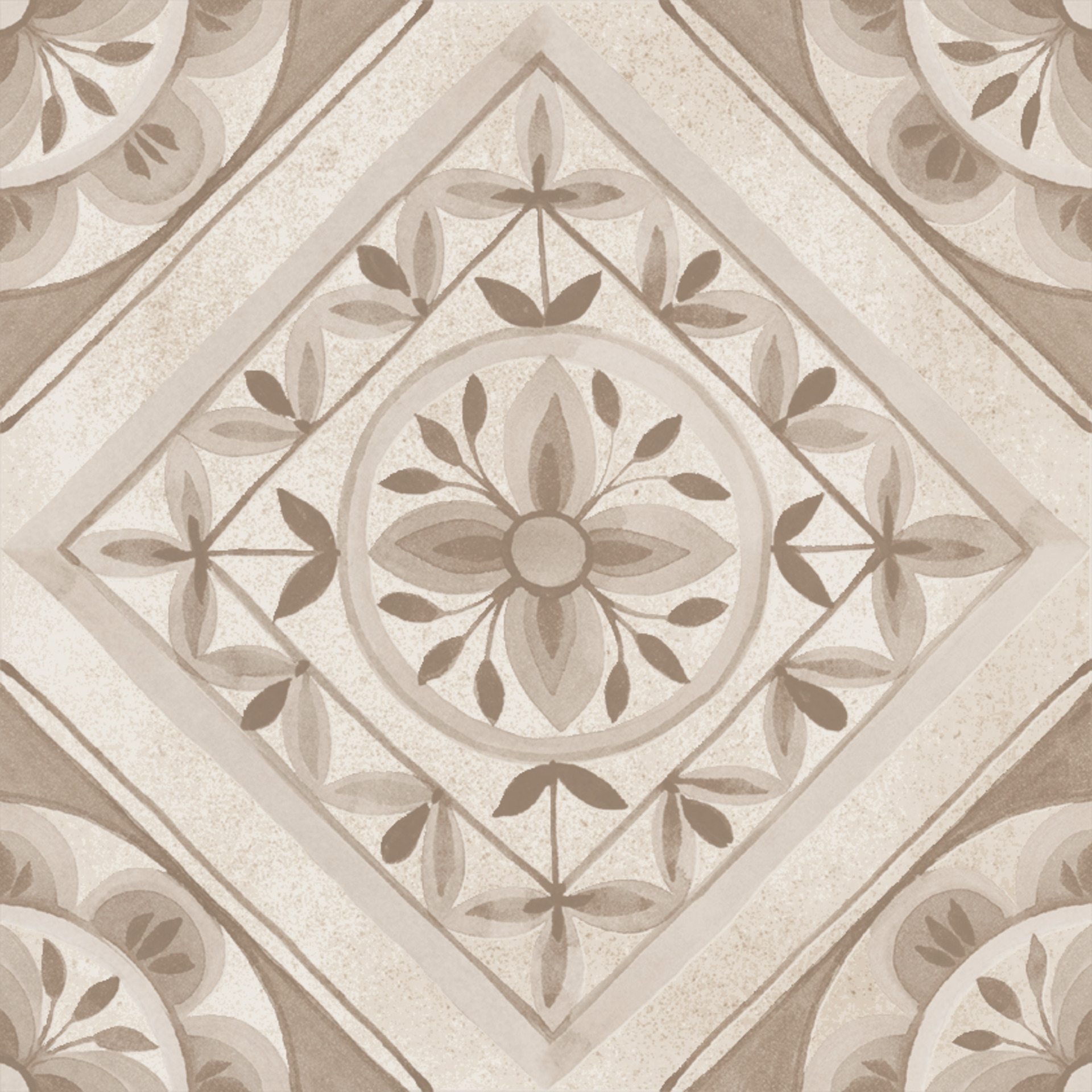
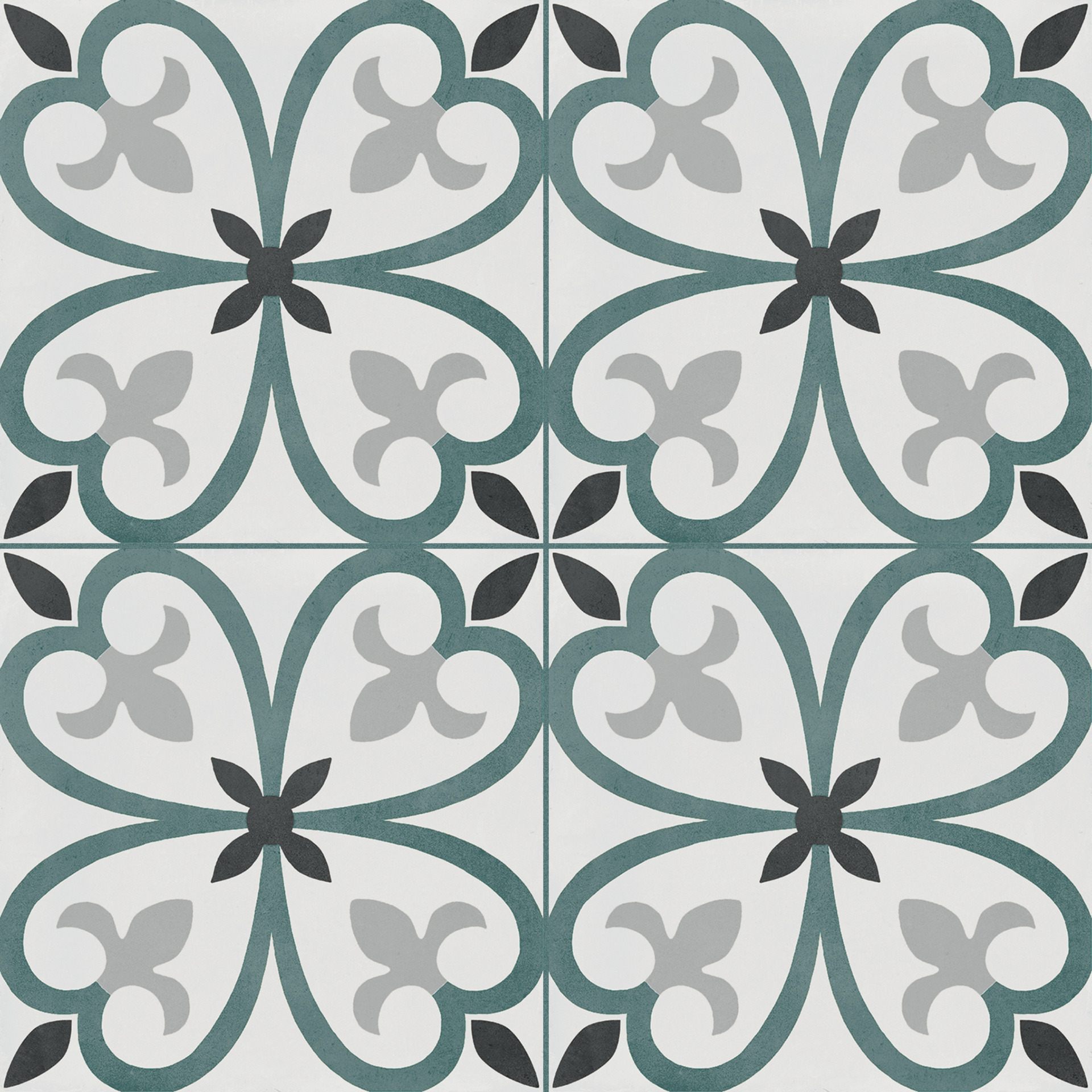
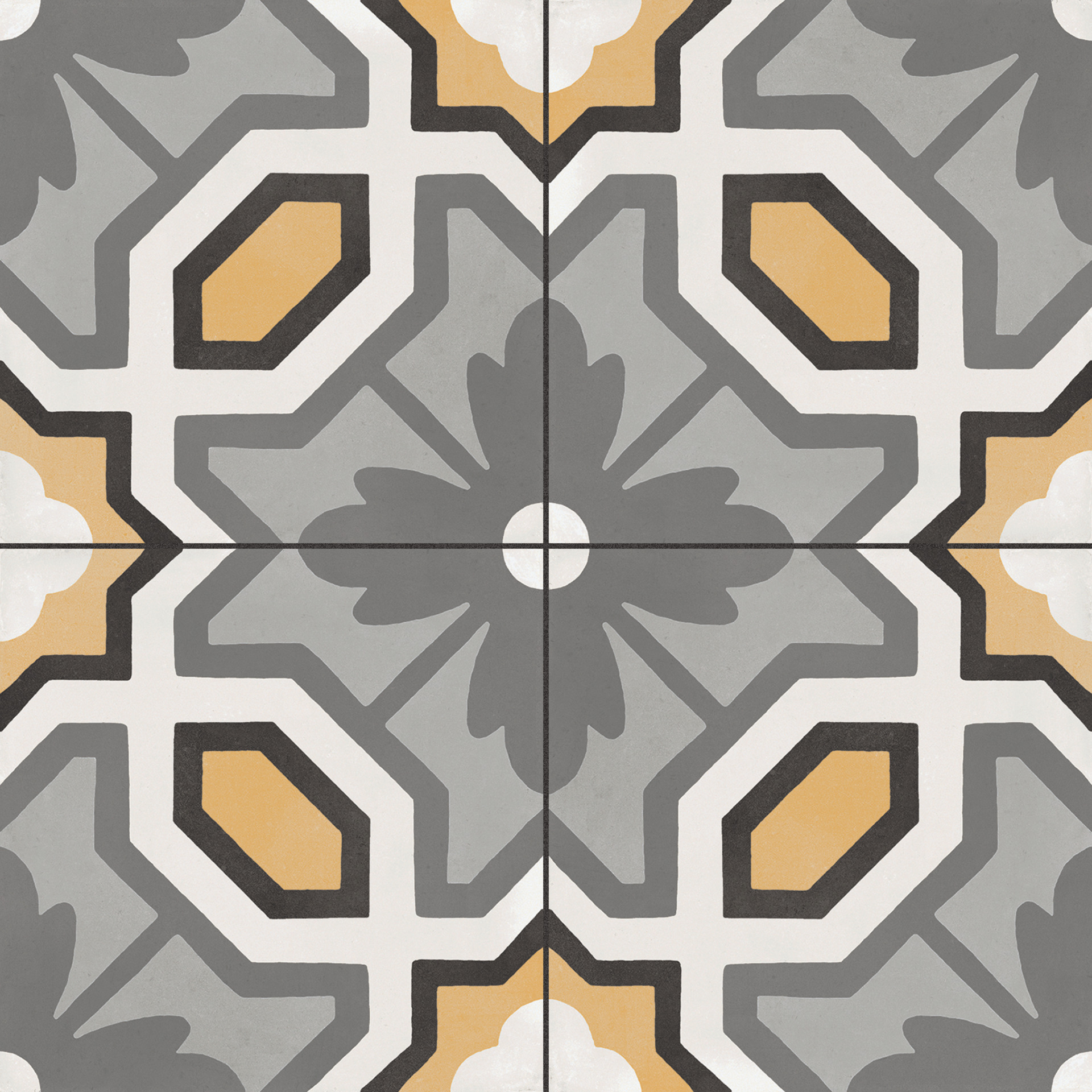
Porcelain stoneware cement tiles reinterpret the artisanal character of decorated surfaces through a wide variety of colors and motifs. The palette ranges from blue and green to light shades such as white, beige and grey, while the design can be geometric, floral, patchwork or inspired by traditional decorations, such as the wind rose.
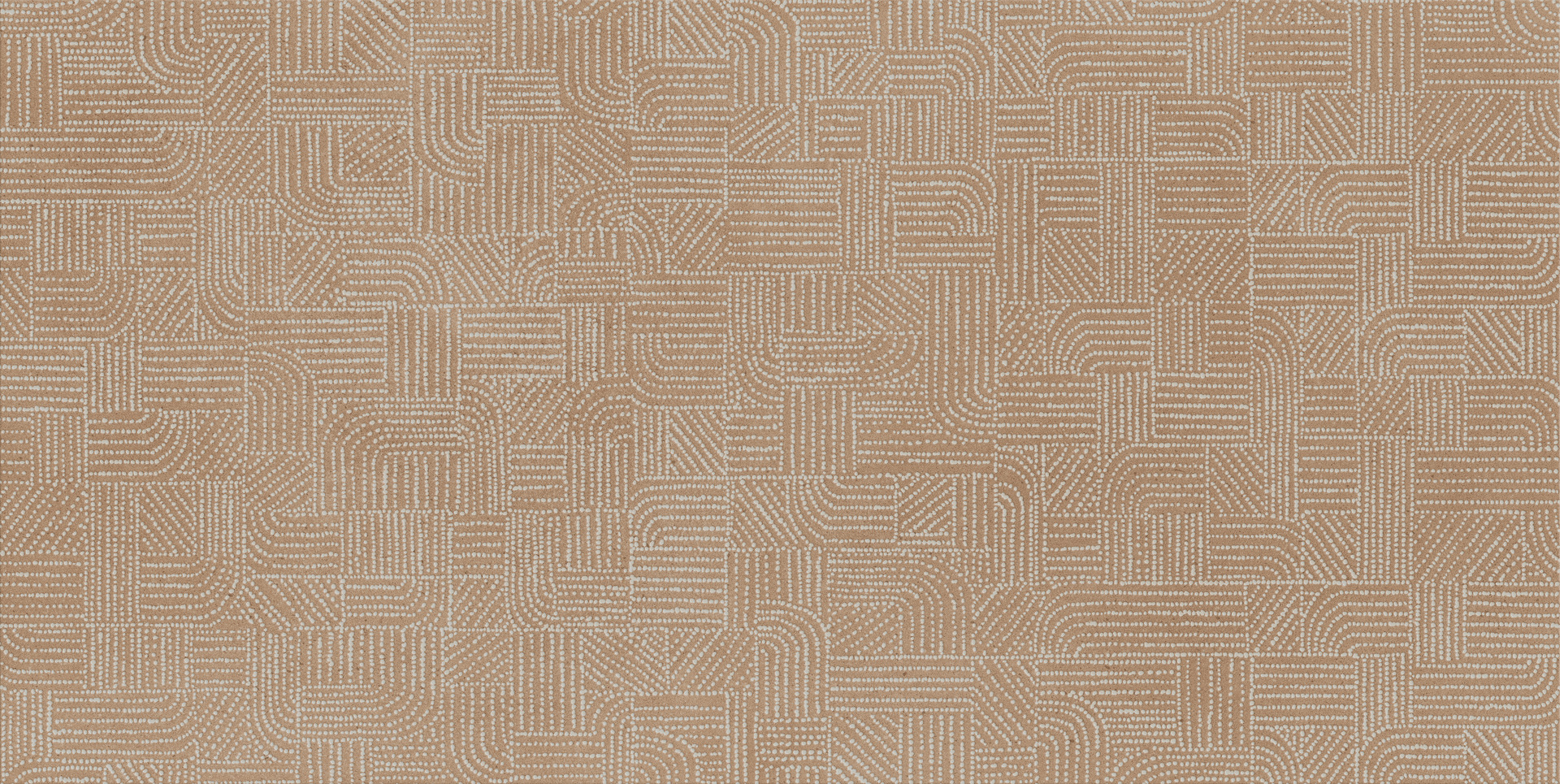
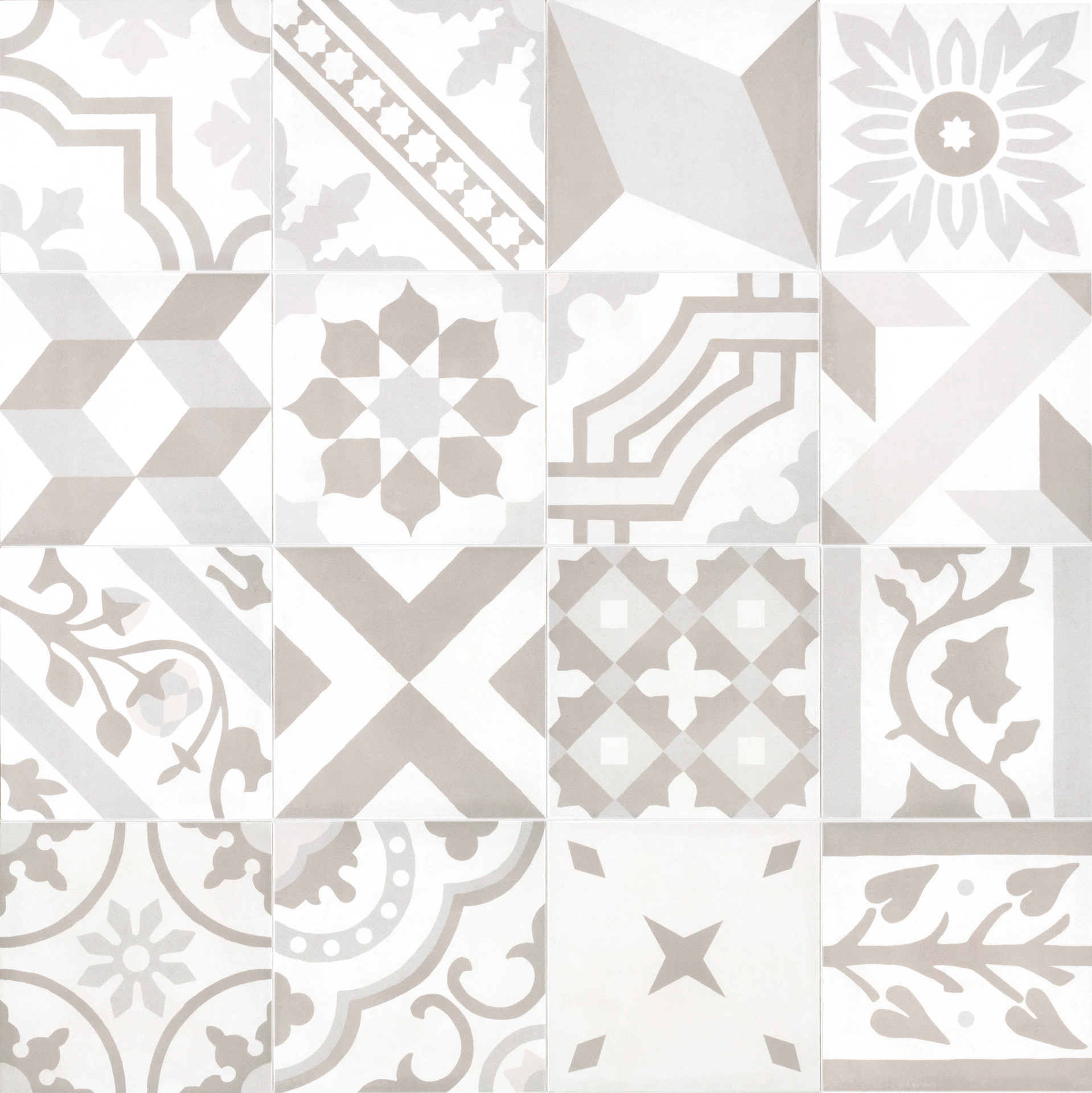
D_Segni is a modular system that allows you to create customized surfaces by combining backgrounds and decorative subjects in small formats.
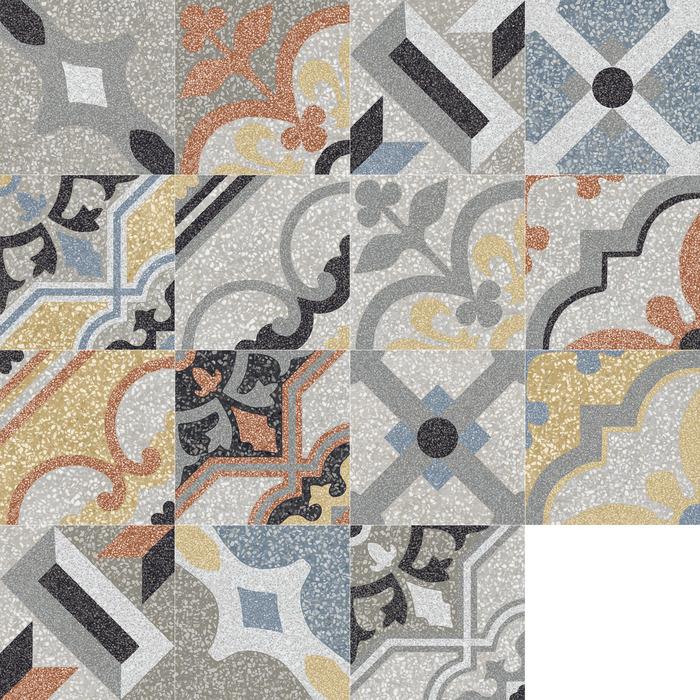
The mix & match between geometries, floral motifs and patchwork makes it possible to create floors and walls with a more orderly or deliberately dynamic design.
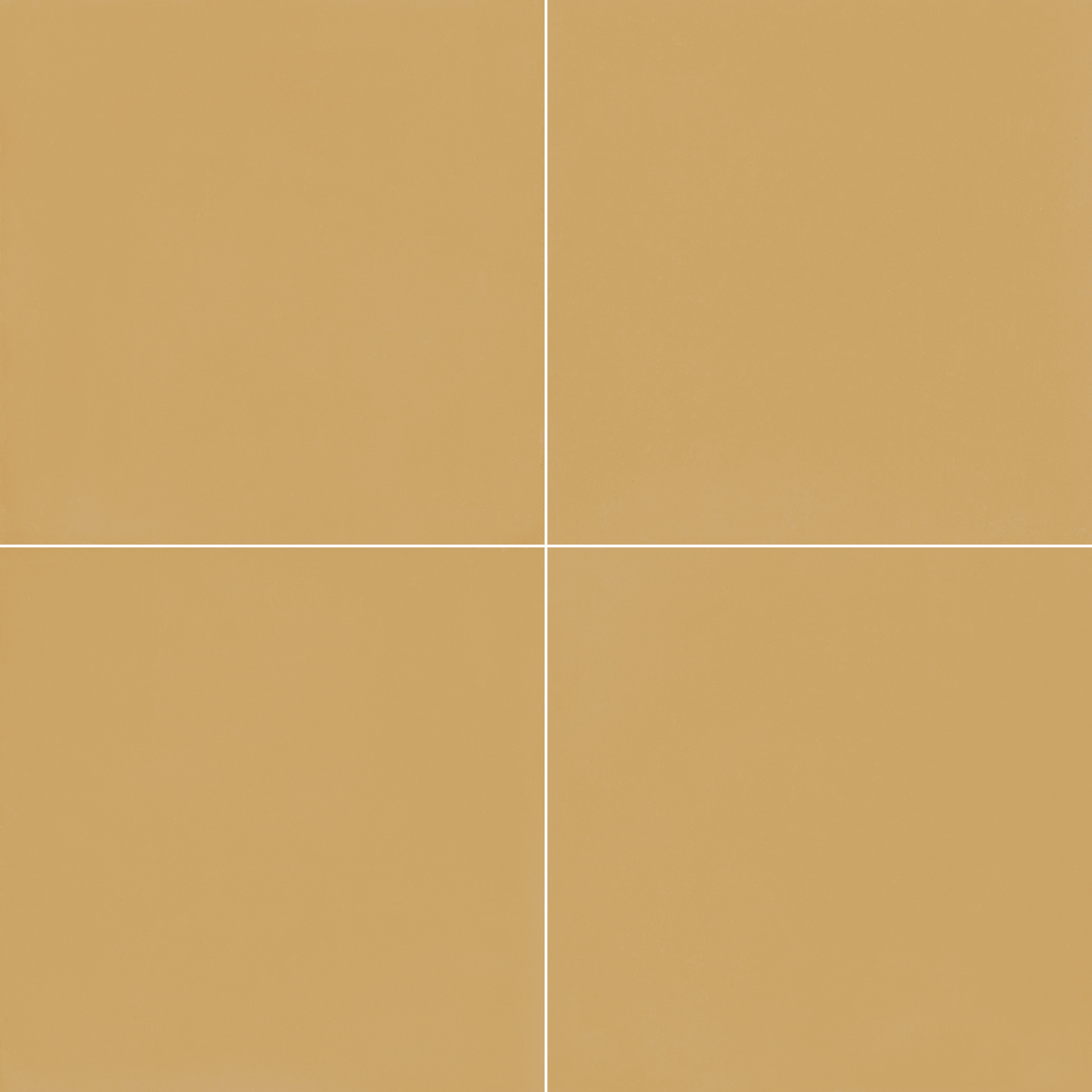
D_Segni Blend offers 20x20 and 10x10 formats, blend-effect backgrounds and sixteen decorative subjects to combine to build geometries and shades. D_Segni Colore instead focuses on full backgrounds in the powdery tones of Indigo, Tangerine and Mustard, accompanied by coordinated decorations. D_Segni finally draws on the language of handmade cement tiles in the 20x20 format, alternating geometric and floral motifs.
The small format makes it possible to bring a more artisanal and Mediterranean touch to walls, particularly suitable for backsplashes, niches and accent surfaces.
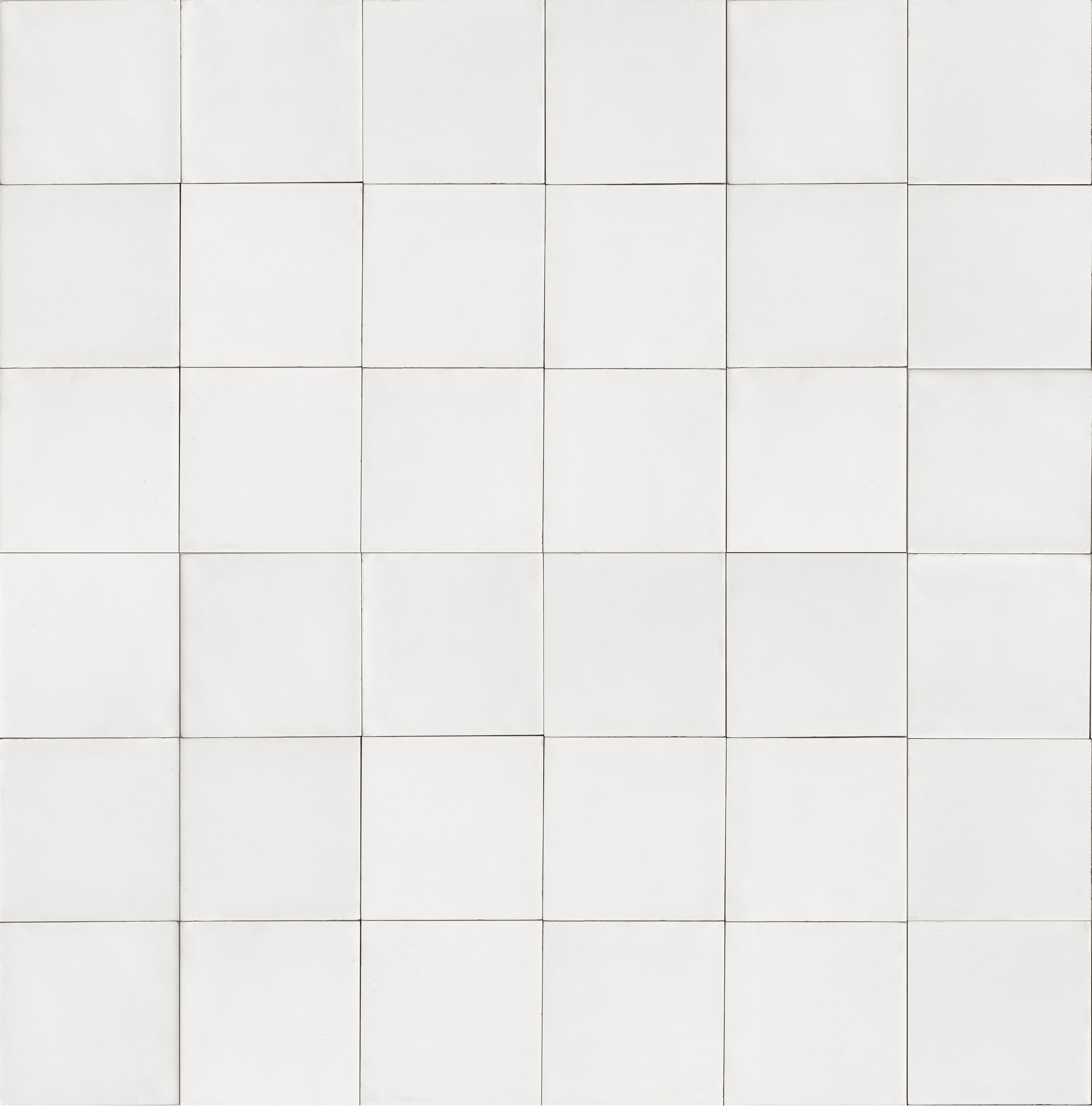
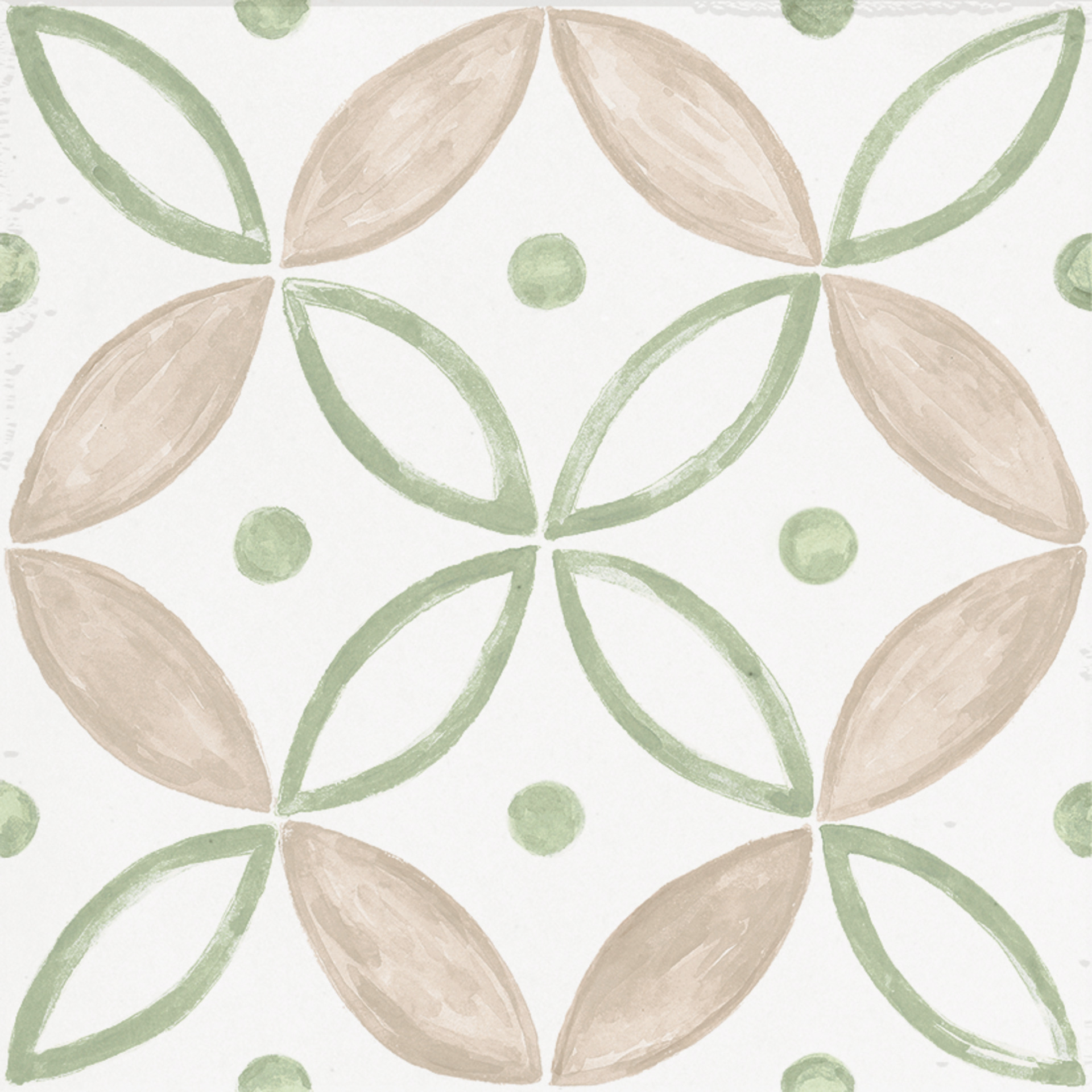
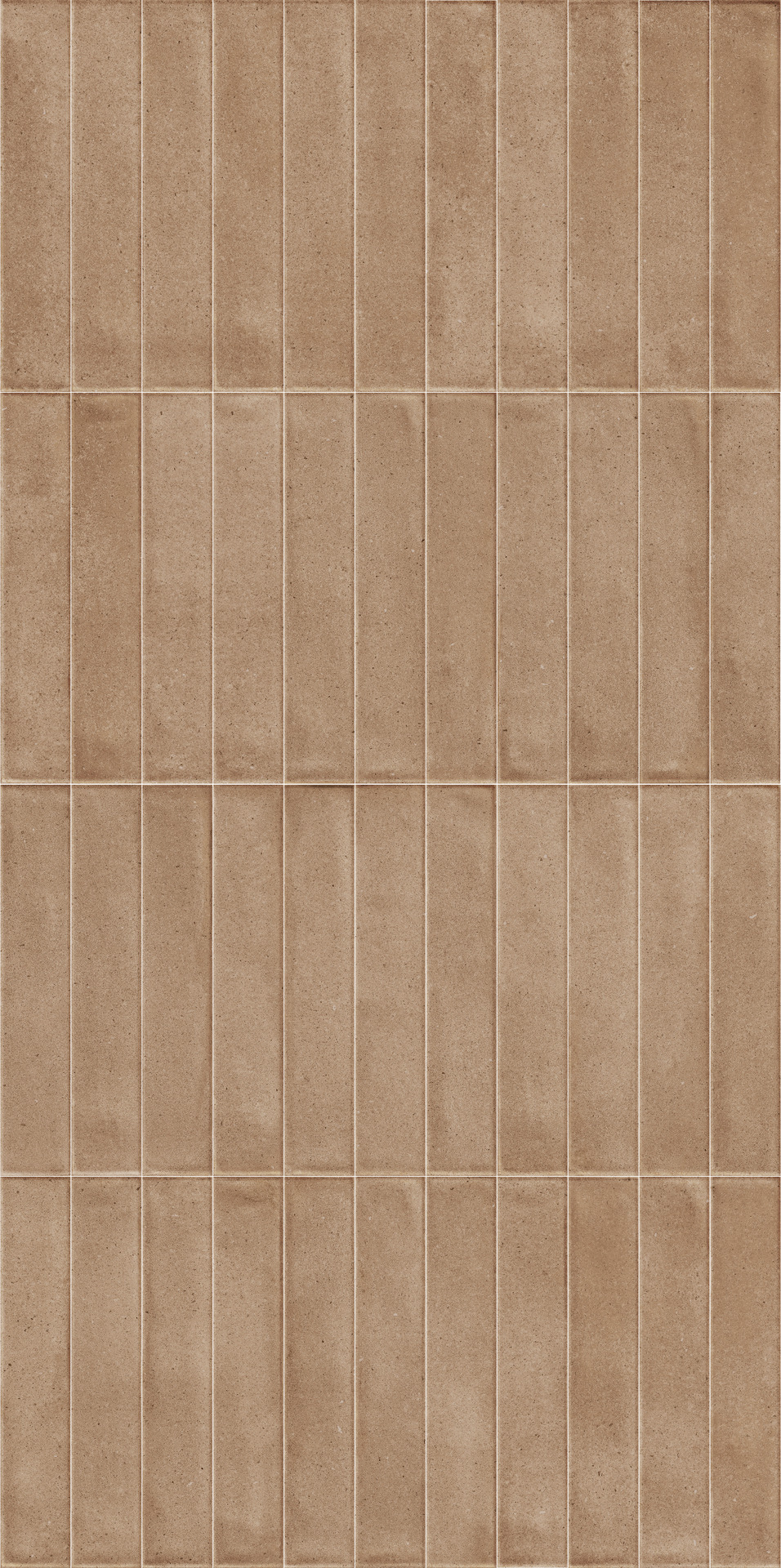
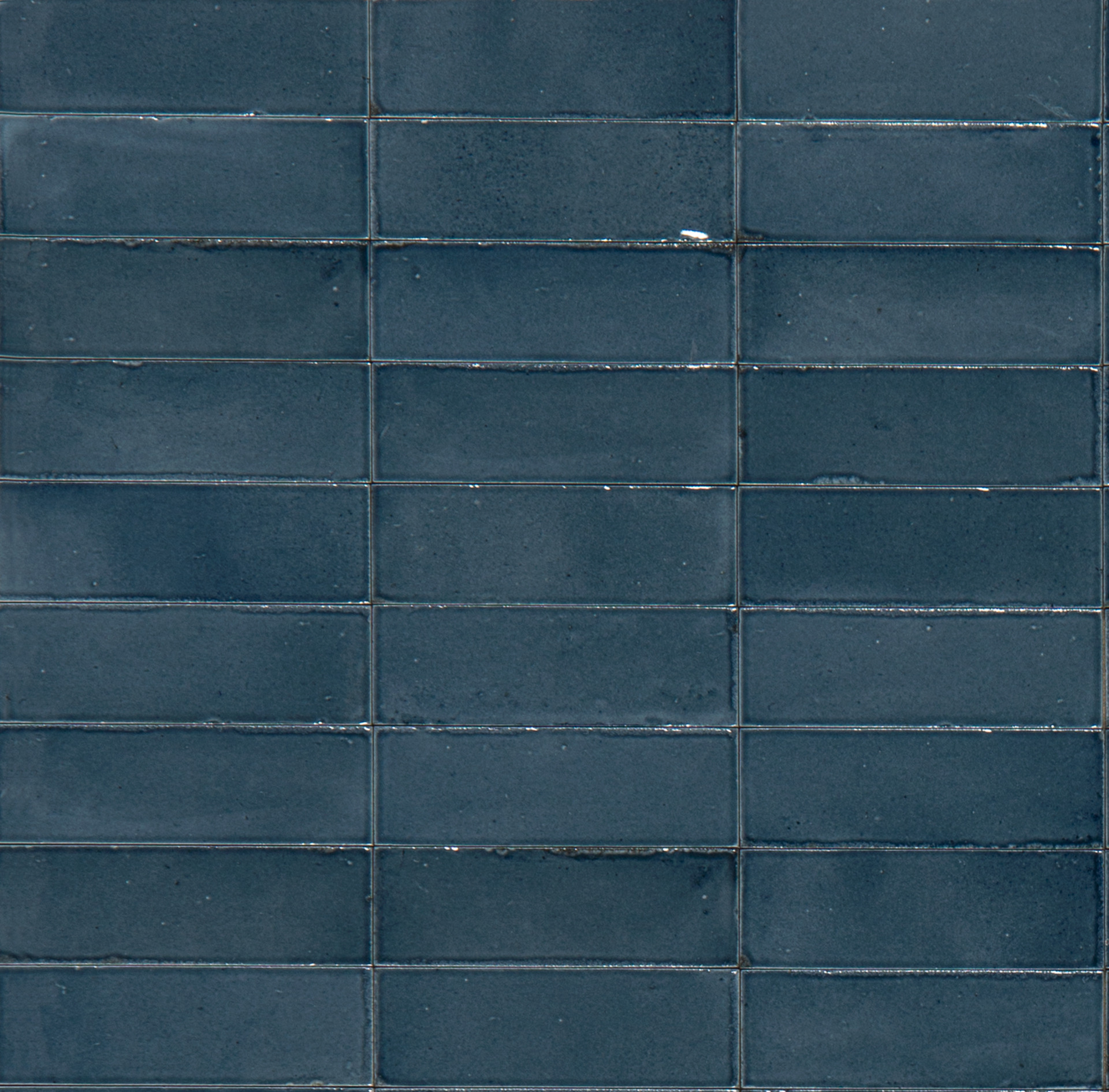
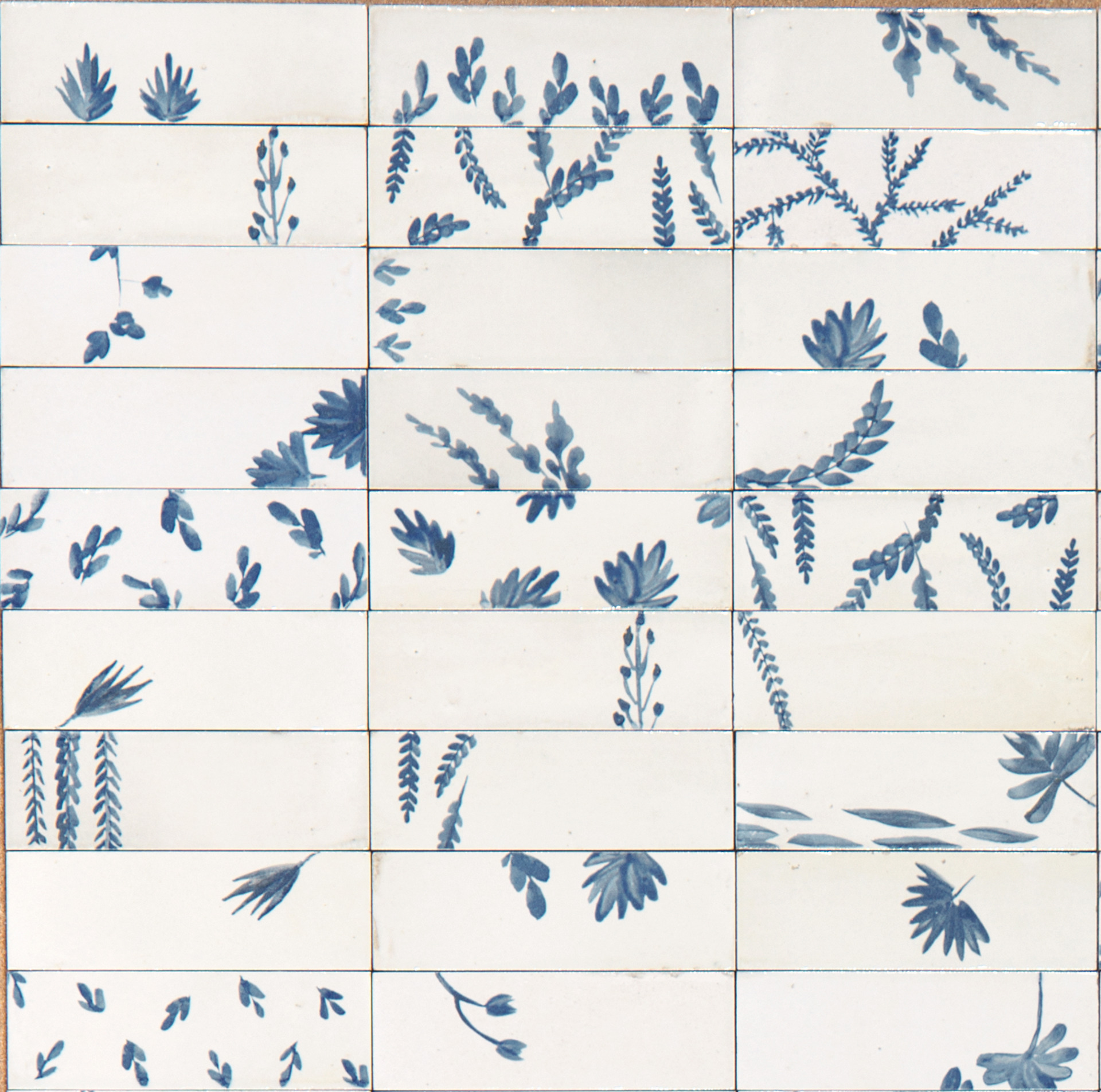
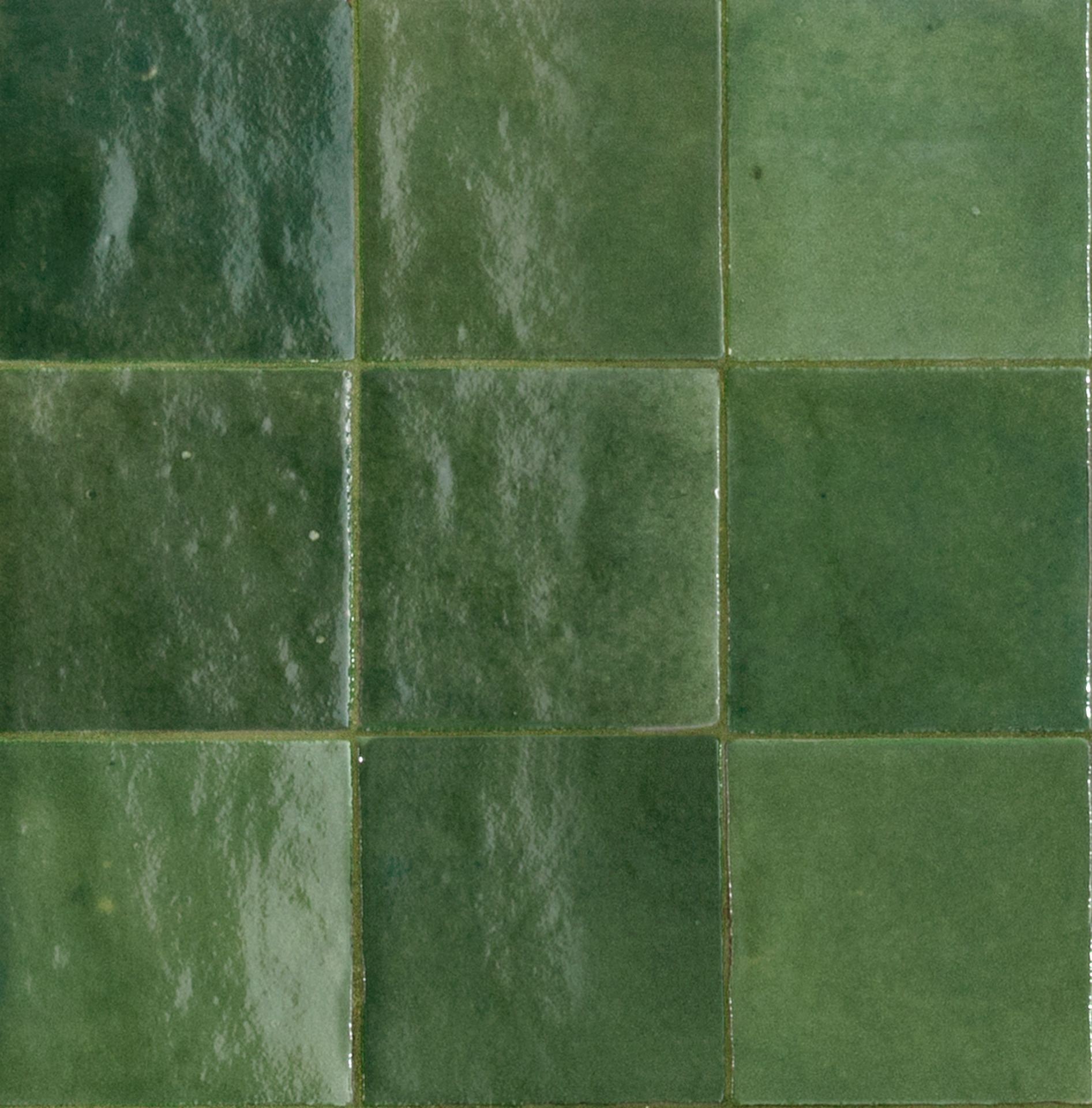
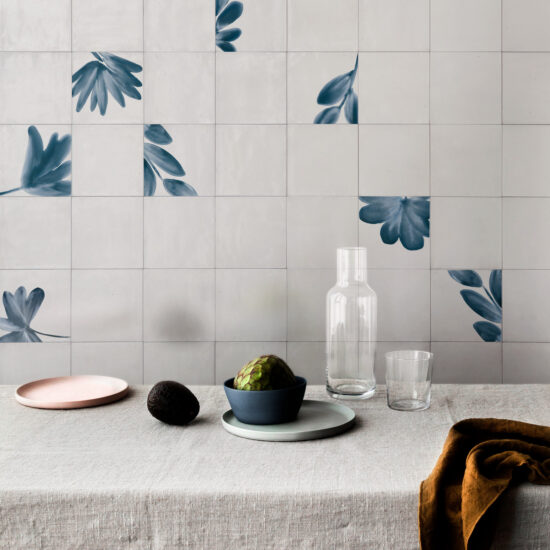
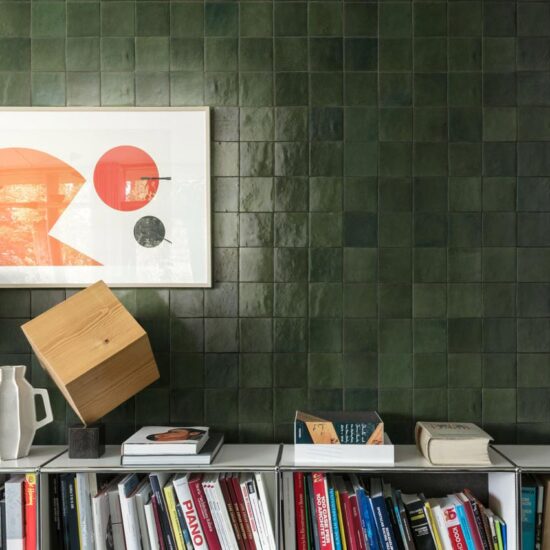
Zellige reinterprets Mediterranean majolica tiles in 10x10 format, with a glossy and deliberately irregular surface available in twelve colors. Rice instead offers a glossy majolica effect accompanied by floral decorations Leaf, Garden and Blossom, especially suitable for bathrooms and kitchens. Terramater is a porcelain stoneware collection made with Italian raw materials and its effect rekindles the artisanal gesture of Italian ceramics, transforming surfaces into true stories of authenticity.
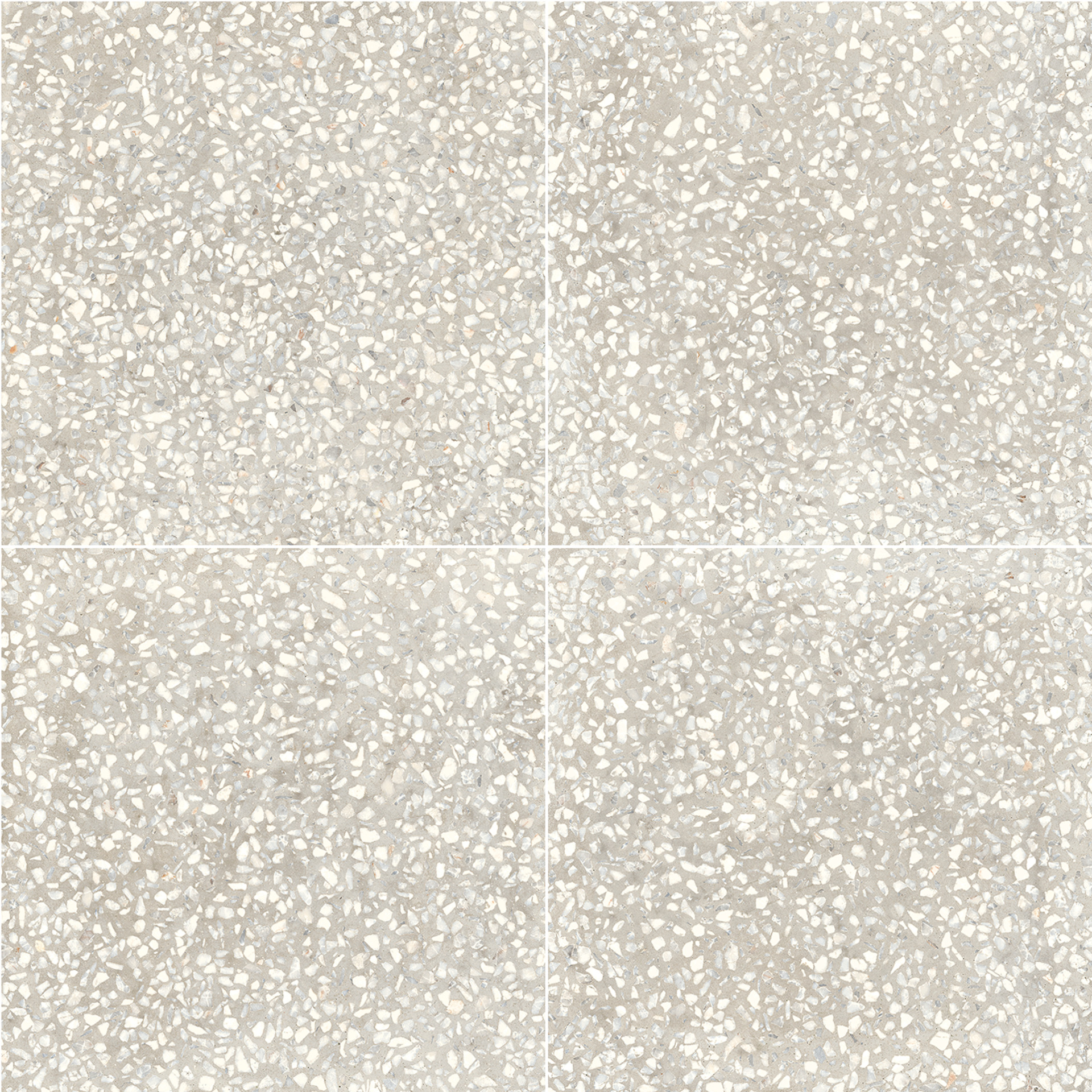
The decorative tradition of cement tiles also meets the features of Venetian terrazzo, with bright and dotted surfaces reminiscent of the graniglia effect.
D_Segni Scaglie interprets this blend with a terrazzo-effect surface that brings the cement tile pattern in a more contemporary guise. A concrete example is the project at B&B Maison Marie in Sorrento, where the collection is used in the White and Yellow variants together with several Rug decorations, creating different decorative themes between bedrooms, bathrooms and other interior details.
To learn more about the origin and characteristics of this decorative language, also read:The eternal charm of Venetian terrazzo tiles
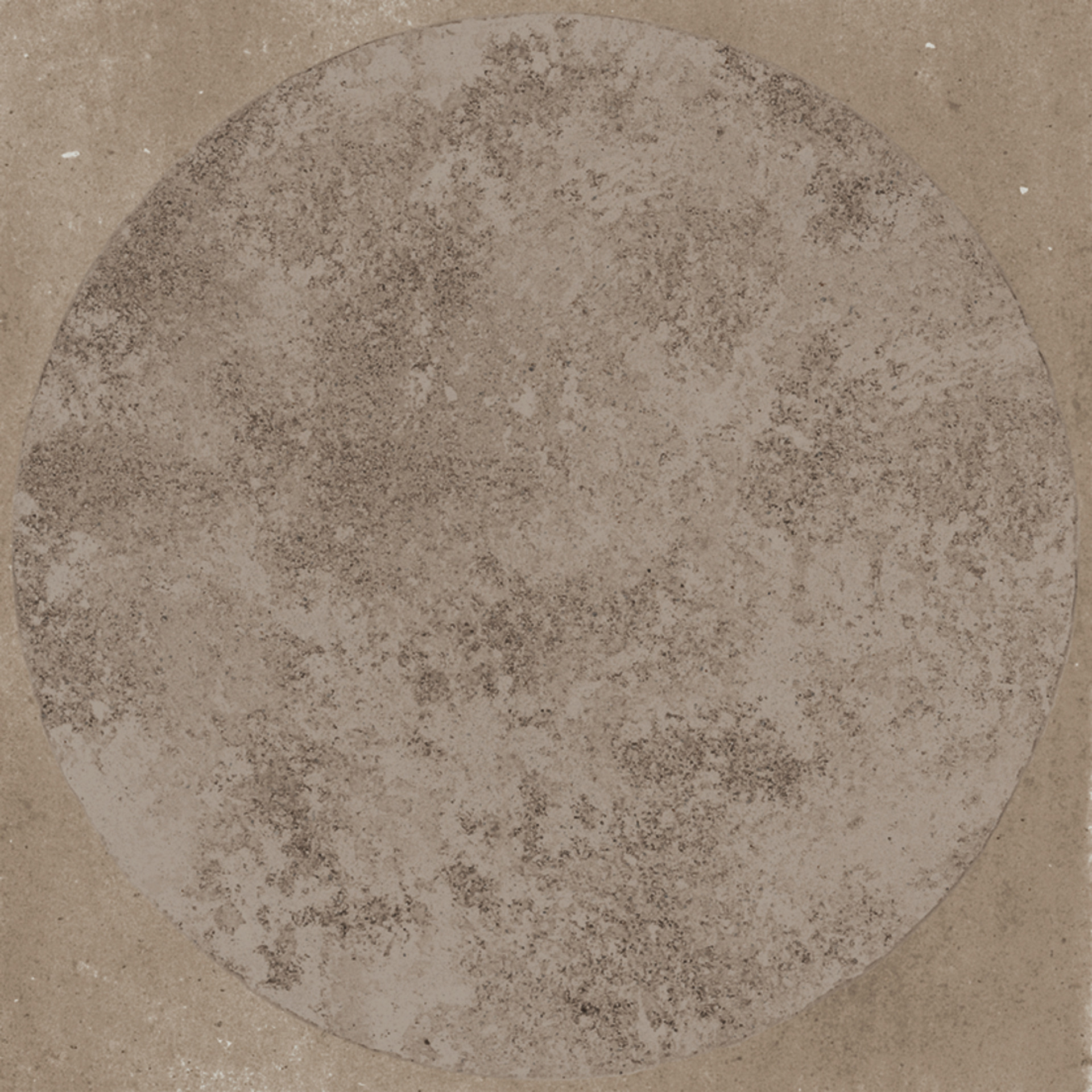
With ArtCraft, the small format is instead combined with the material and colors of traditional terracotta. The earthy palette and Bolli, Triangoli, Quadri and Segni decorations allow you to create compositions with a warm and artisanal character, reminiscent in atmosphere of terracotta and concrete effect surfaces.
Cement tiles originate from the tradition of artisanally decorated surfaces and recall the taste of Mediterranean interiors of the 1950s and 1960s, characterized by geometric, floral motifs and recognizable color combinations. In porcelain stoneware this decorative heritage is reinterpreted, preserving the design but introducing the technical advantage typical of ceramic materials.
Alongside traditional-inspired motifs, there are also black and white compositions, essential geometries and more minimal graphic signs, easy to use in kitchens, living rooms and contemporary interiors. It is precisely this ability to move between past and present that explains the evergreen charm of cement tiles and hexagons.
Cement tiles can play a very different role within the project.
On the floor, they can define the entire room or focus on a specific area; on the wall they become instead an accent element, particularly effective in kitchens and bathrooms. Entrances and living rooms are also well suited to compositions that use decoration to visually define spaces.
A fully decorated floor immediately gives a strong identity to the space, while a rug or strip of cement tiles allows you to limit the pattern and use it to highlight a specific function. In open spaces, for example, the decoration can accompany the entrance, mark the transition towards the living room or distinguish an area without using physical partitions.
The format also contributes to the result: alongside traditional square modules you can add hexagonal solutions, which make the design even more recognizable and allow you to create borders and more dynamic compositions.
On the wall, cement tiles allow you to concentrate color and design on more limited surfaces. They can characterize the backsplash or the kitchen countertop, highlight a bathroom wall, or cover a niche, turning it into a decorative element.
Majolica, floral motifs and graphic decorations allow you to calibrate the effect, from a discreet insert up to a fully decorated wall.
No. Being made of porcelain stoneware, they maintain their color and design over time, resist stains and normal detergents.
It depends on the effect you want to achieve. For a more balanced result, you can start with a neutral background and concentrate decoration in a border, a rug or a portion of wall. If you want a bolder space, even the full decorated look can be an effective choice.
Modular systems help calibrate the mix between backgrounds, geometries and decorative motifs, creating more regular or deliberately dynamic compositions.
