


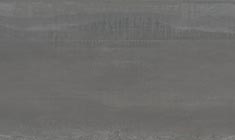




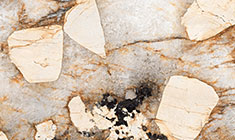
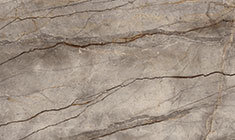
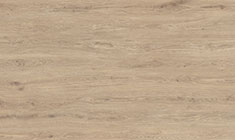


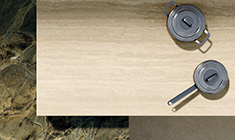




Pietra di Sardegna Wall
- Colors 2
- Surfaces 1
- Sizes 1



 Ventilated facades
Ventilated walls's functionality and benefits
 Raised Floors
Functuality and benefits





Explore the Marazzi collections of porcelain stoneware and ceramic coverings for interior and exterior walls: from large slabs that cover walls from floor to ceiling to decorative surfaces with reliefs and three-dimensional textures.


Choosing a wall covering means defining the role the wall will play in the project, not just its color or material.
In interiors, a ceramic surface can discreetly complement the architecture by covering entire walls, or become a decorative element through graphic patterns, three-dimensional structures and combinations of different sizes.
The possibilities also extend to specific applications such as pool coverings and furnishing elements: the large slabs of the The Top line, for example, allow you to coordinate kitchen countertops, doors and other surfaces through dedicated processing.
For external walls, instead, the choice must start from the technical characteristics of the product: it is necessary to identify a porcelain stoneware suitable for exposure to weather and the planned installation system, also considering climatic conditions and the intended use of the surface.
A fully clad wall and an accent wall meet different design needs. In the first case, the material helps build the identity of the entire space; in the second, it becomes a distinctive element that draws attention to a specific area.
Ceramic allows you to pursue both directions, thanks to the availability of sizes, finishes and aesthetic effects ranging from the most uniform surfaces to interpretations of stone, wood, marble and concrete.
The arrangement of the covering is also important: full-height installation emphasizes the vertical development of the room, while a decorative band or insert can visually delimit a function, such as the washbasin area, the kitchen backsplash or the living room wall.
Cladding a wall up to the ceiling allows it to be treated as a single architectural surface, especially when choosing large tiles and barely visible joints.
The large formats and large slabs reduce the number of joints and leave more room for the material’s graphic design. Veining and textural details can therefore extend across larger portions of the wall, without being interrupted by a dense pattern of joints.
The collections Grande Marazzi broaden this possibility through porcelain stoneware slabs that interpret different aesthetic effects, from the most veined marbles to natural stones.
Vertical continuity can also be achieved with modules specifically designed for cladding. The Crea collection, for example, offers white-body tiles that can be overlapped in two pieces to cover 270 cm in height.
For a more decorative look, Lume interprets wall covering through small glossy majolica-effect formats, which can be extended to full height, transforming the joints pattern and reflections into an integral part of the project.
Collections dedicated to the wall also make it possible to work more strongly on texture and relief. Campaspero Wall translates the appearance of sedimentary stone into decorative coverings, while Pietra di Sardegna Wall offers white-body surfaces 40x120 cm enriched by the 3D Set structure and the Comb decoration, with reliefs and ribbed bands inspired by Breccia Sarda.
On the more essential side, Cementum Wall brings the concrete look to the wall through textured and structured surfaces, allowing the cladding to be coordinated with a contemporary language without giving up the decorative component.
The choice of effect helps to define the atmosphere of the space: stone-effect stoneware gives a natural look, while concrete-effect surfaces enhance a more essential and architectural language.
Read also: At what height should the bathroom wall covering be designed: half wall or ceiling?
A decorative covering can identify the focal point of the room, highlighting an architectural volume, the TV area, or the wall behind a sofa.
In the living room, for example, three-dimensional textures and graphic patterns can replace other wall decorations, introducing depth through the relationship between light and surface.
Among the Marazzi collections, Boiserie recalls the language of wood paneling through white-body coverings 40x120 cm. The three-dimensional structures, available in Oak and Light Oak shades, interpret wood grain with 3D Ink technology, offering a solution for walls with a warm and textured appearance.
A more textural approach is offered by Fabula Wall, which brings decorative surfaces to the wall capable of working on textures, reliefs and visual variations. Also Slow Wall interprets wall covering through structures and finishes with a contemporary imprint, enhancing the wall as a decorative element of the project.
For those seeking a more pronounced pattern, White Deco offers white-body coverings with botanical, floral and geometric decorations. Touch technology enhances the details through subtle reliefs, making the wall a decorative element even without using particularly intense colors.
The decorative tiles allow experimenting with patterns, colors and material combinations, while wood-effect surfaces offer an interesting solution for introducing the aesthetic warmth of natural essences to the walls.
The choice of material for wall covering depends both on the desired aesthetic result and on the installation conditions and intended use.
Two of the main ceramic solutions are white-body coverings, designed for interior vertical surfaces, and porcelain stoneware, which can also be used in other applications when the characteristics of the specific reference allow it.
White-body coverings stand out for their lightness and reduced thickness. They are designed to be installed on surfaces not subject to foot traffic, such as the walls of bathrooms, kitchens and other interior spaces, and allow you to enhance the space through different finishes, textures and decorative patterns.
Porcelain stoneware, on the other hand, is recommended when the project requires a material that can also be used on the floor or, on suitable surfaces, in outdoor spaces. Its low water absorption, resistance and the availability of different finishes make it a versatile solution for coordinating surfaces with different requirements.
The Marazzi collections for floor and wall allow you to explore these possibilities, verifying for each product the available finishes and intended uses.
The distinction is not only about thickness: a white-body covering, even when featuring a large format, remains intended for the wall, while to use stoneware on the floor, it is necessary to ensure that the specific tile is suitable for foot traffic.
The design of an external wall introduces different requirements compared to interior spaces: the covering must be suitable for exposure to the elements, temperature changes and, where necessary, frost.
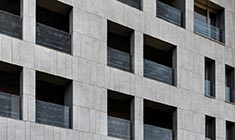
Porcelain stoneware represents an effective solution for cladding external walls, low walls and architectural surfaces, thanks to the compactness and low water absorption of the material. It can be used, for example, for ventilated facades, where ceramic slabs guarantee optimal performance and long-lasting resistance. For these applications, regular white-body coverings for interior walls are not used: porcelain stoneware products suitable for the system and the expected environmental conditions are required.
To identify the most suitable solutions, you can consult the Marazzi collections for indoor and outdoor, which allow you to coordinate the aesthetics of surfaces while maintaining the technical characteristics required for various applications.
Read also: Ventilated facades: durability and design for modern architecture
Porcelain stoneware, thanks to its compactness and low water absorption, makes cleaning the ceramic surface easier, but the joints must be considered separately, according to the material used and the manufacturer's instructions.
Read also: How to clean tile joints
Porcelain stoneware allows you to coordinate floors and walls using the same aesthetic effect, by choosing specific references designed for both intended uses.
The overlapping of a new ceramic covering on top of the existing one is only possible under certain conditions. It is therefore important to entrust the evaluation to a qualified installer.
