














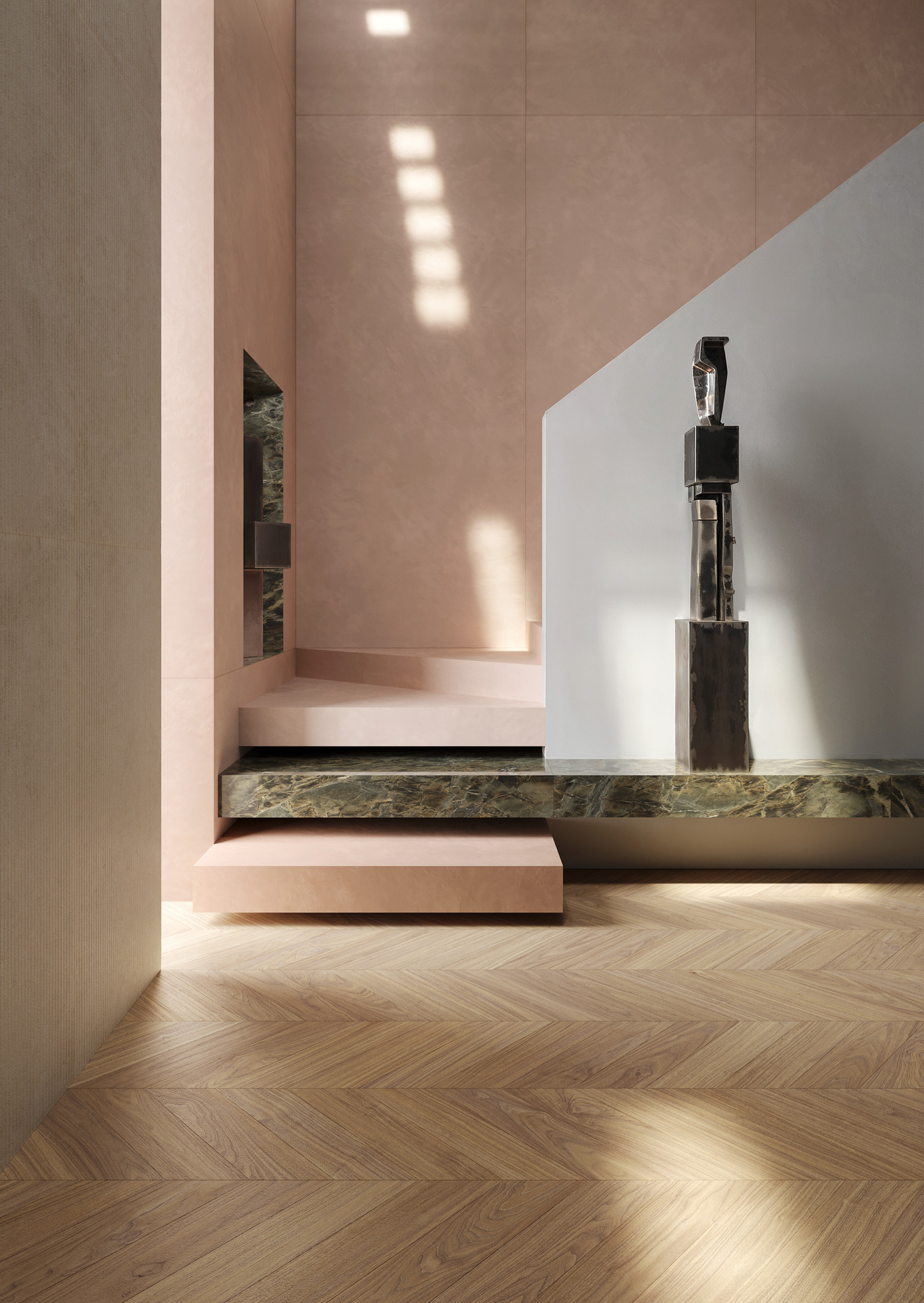
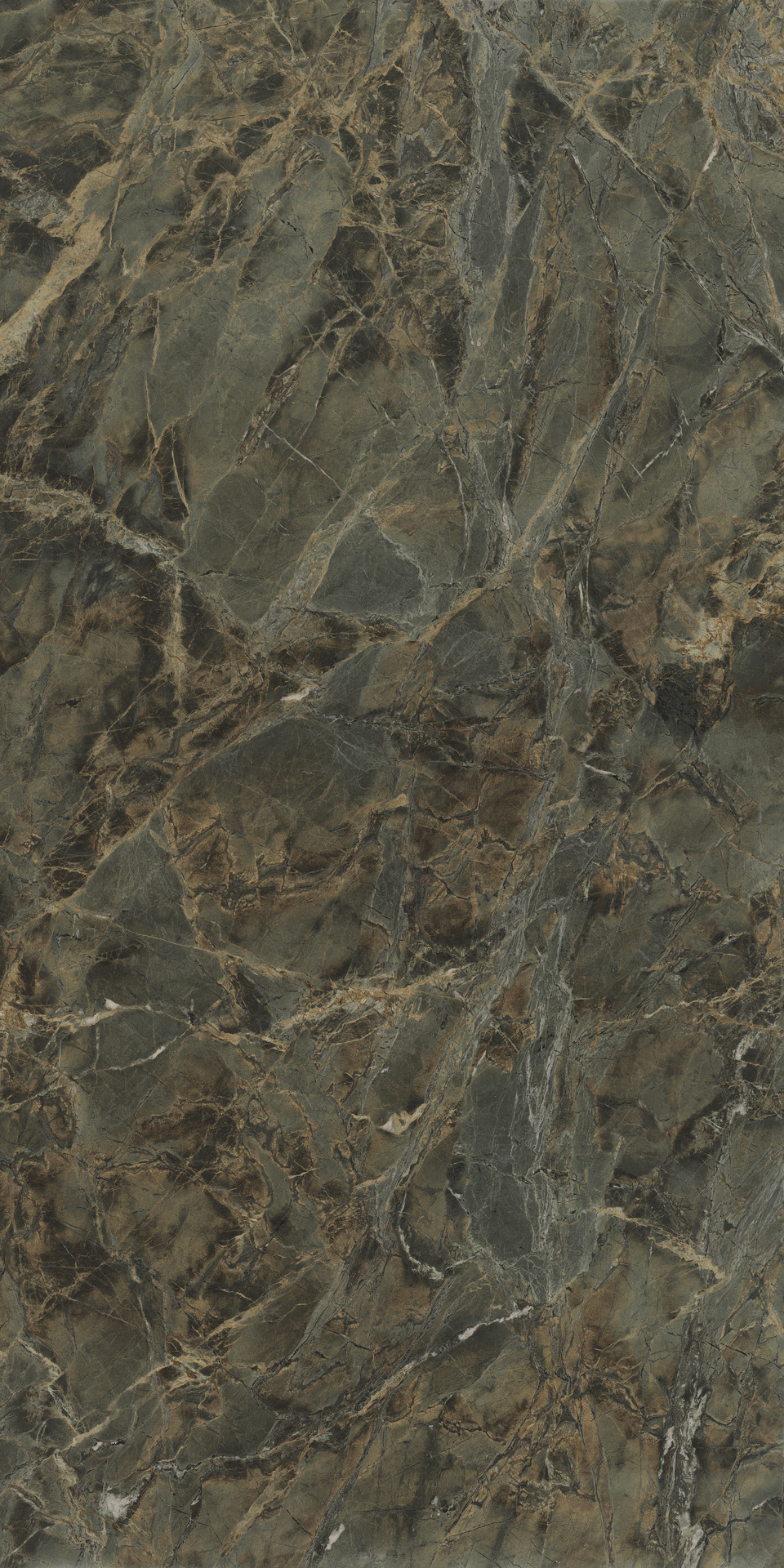
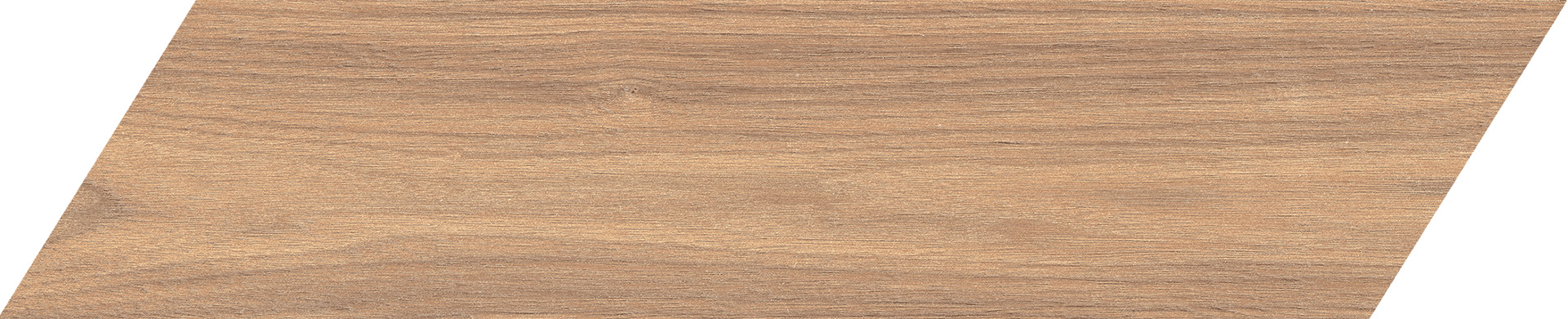

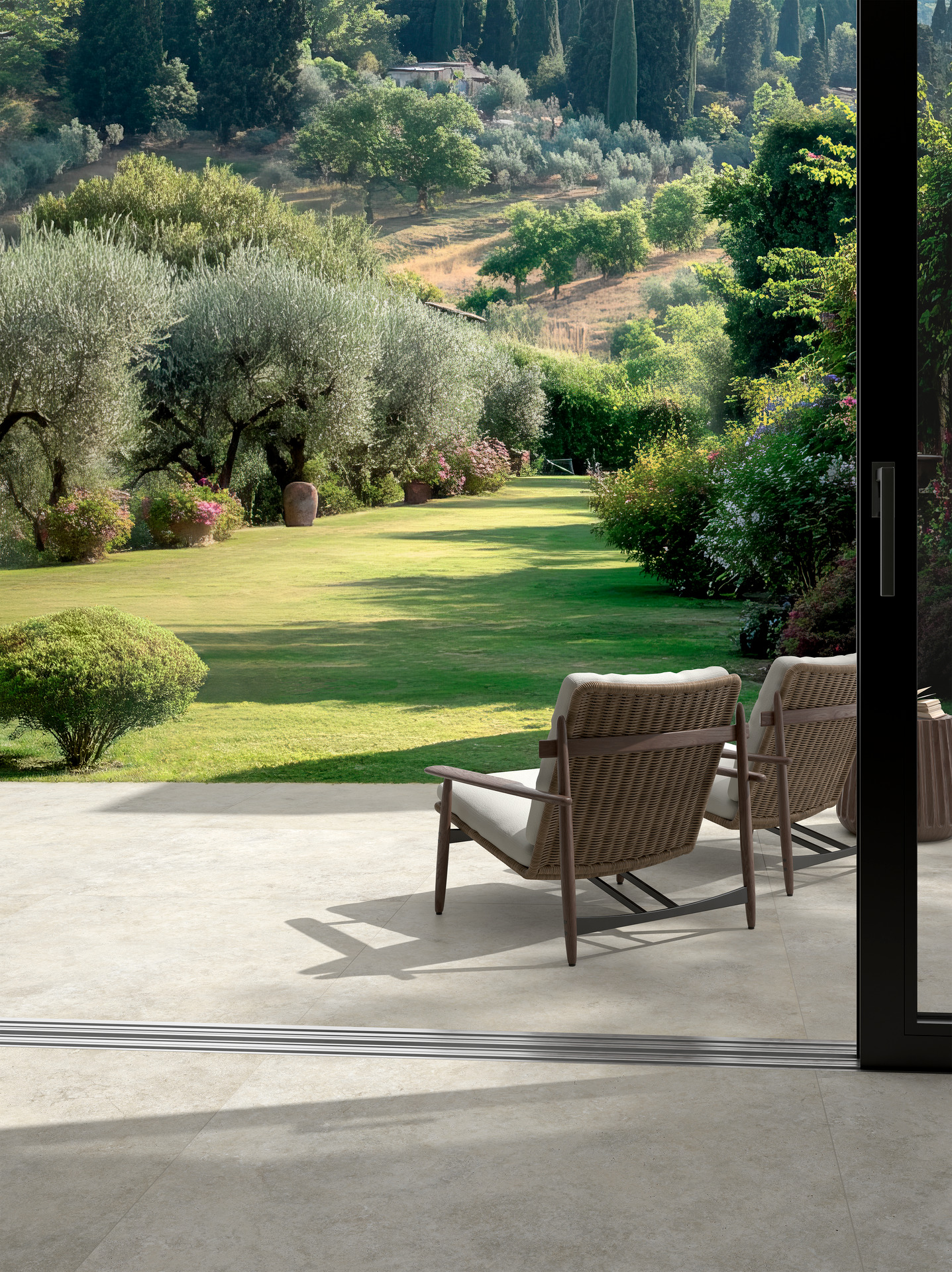
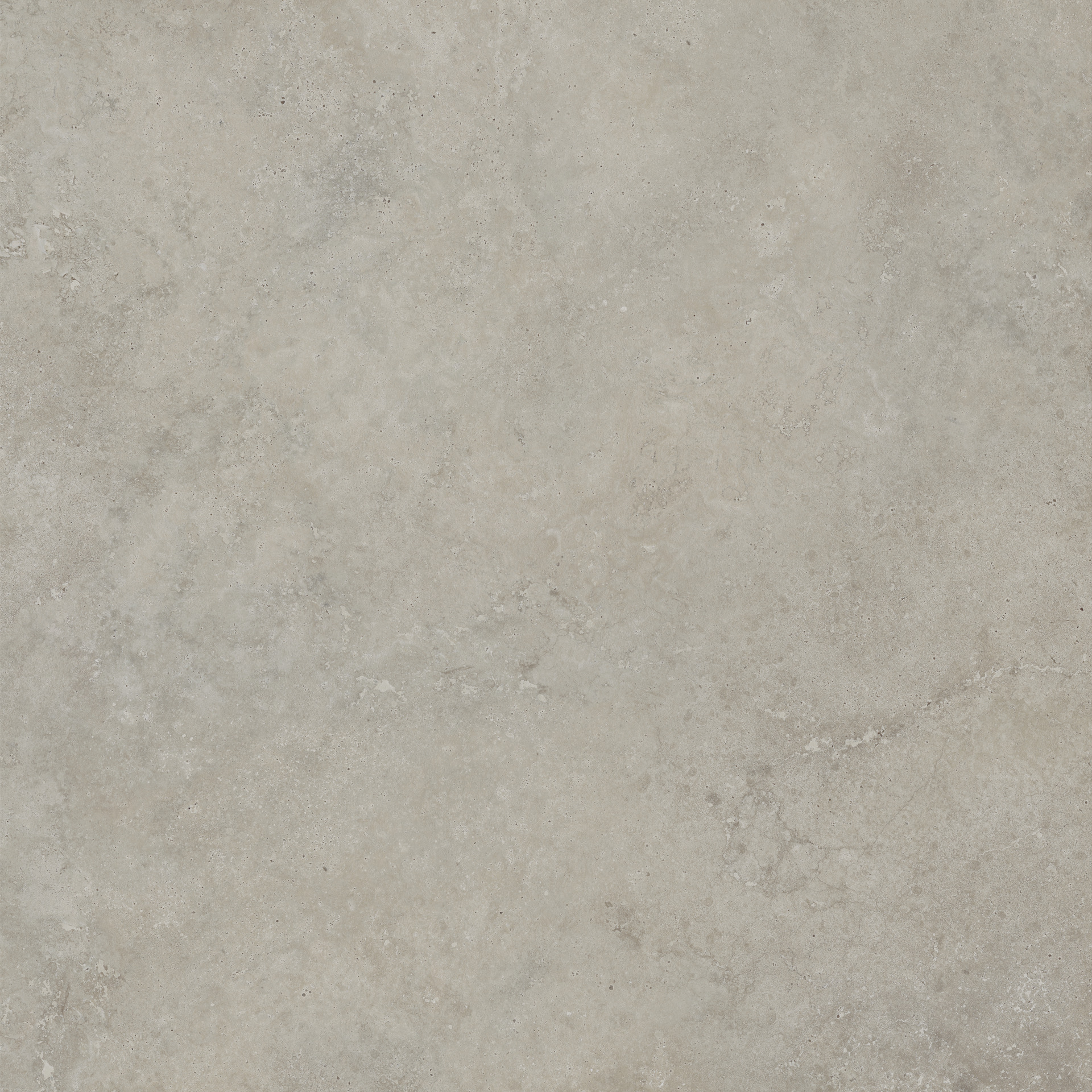
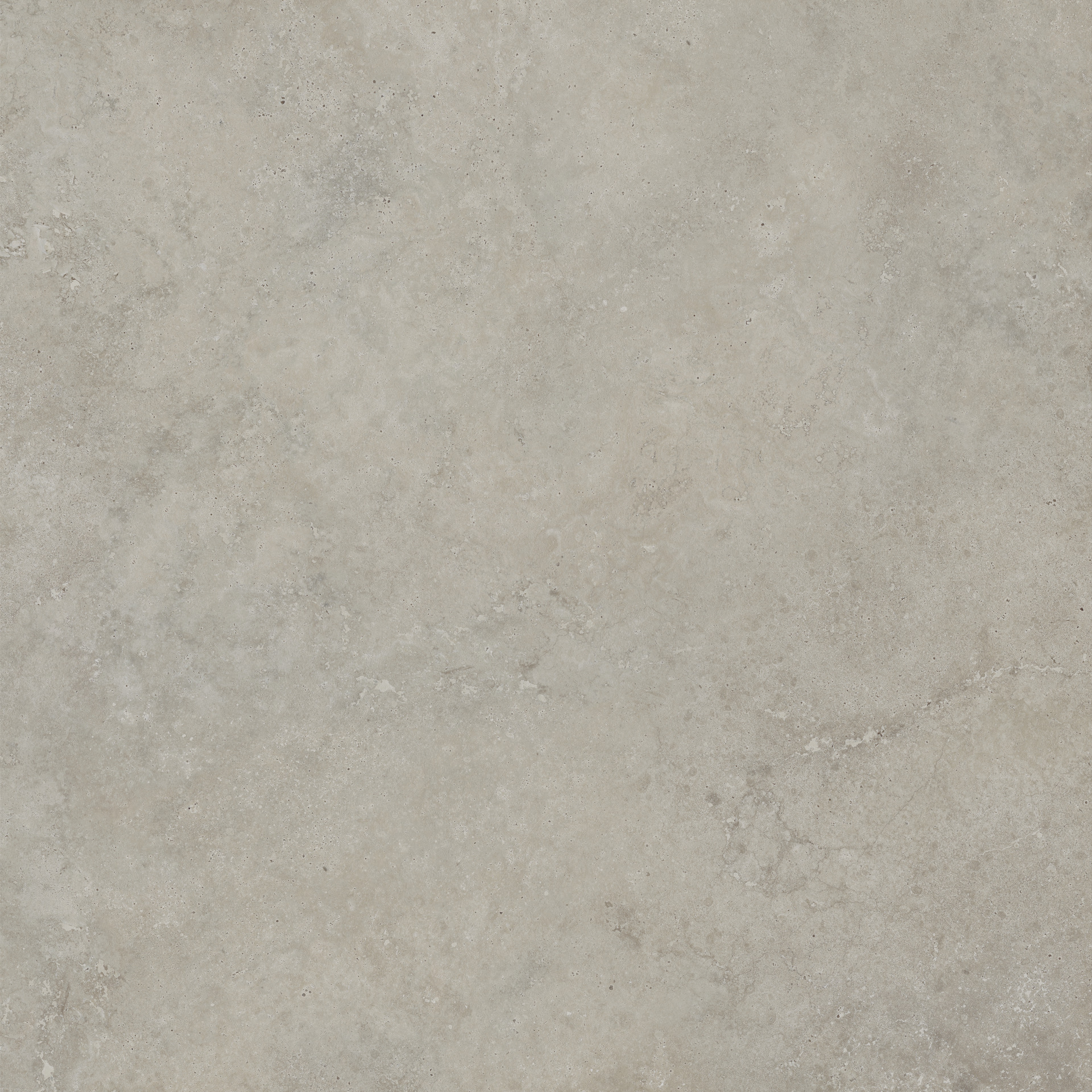
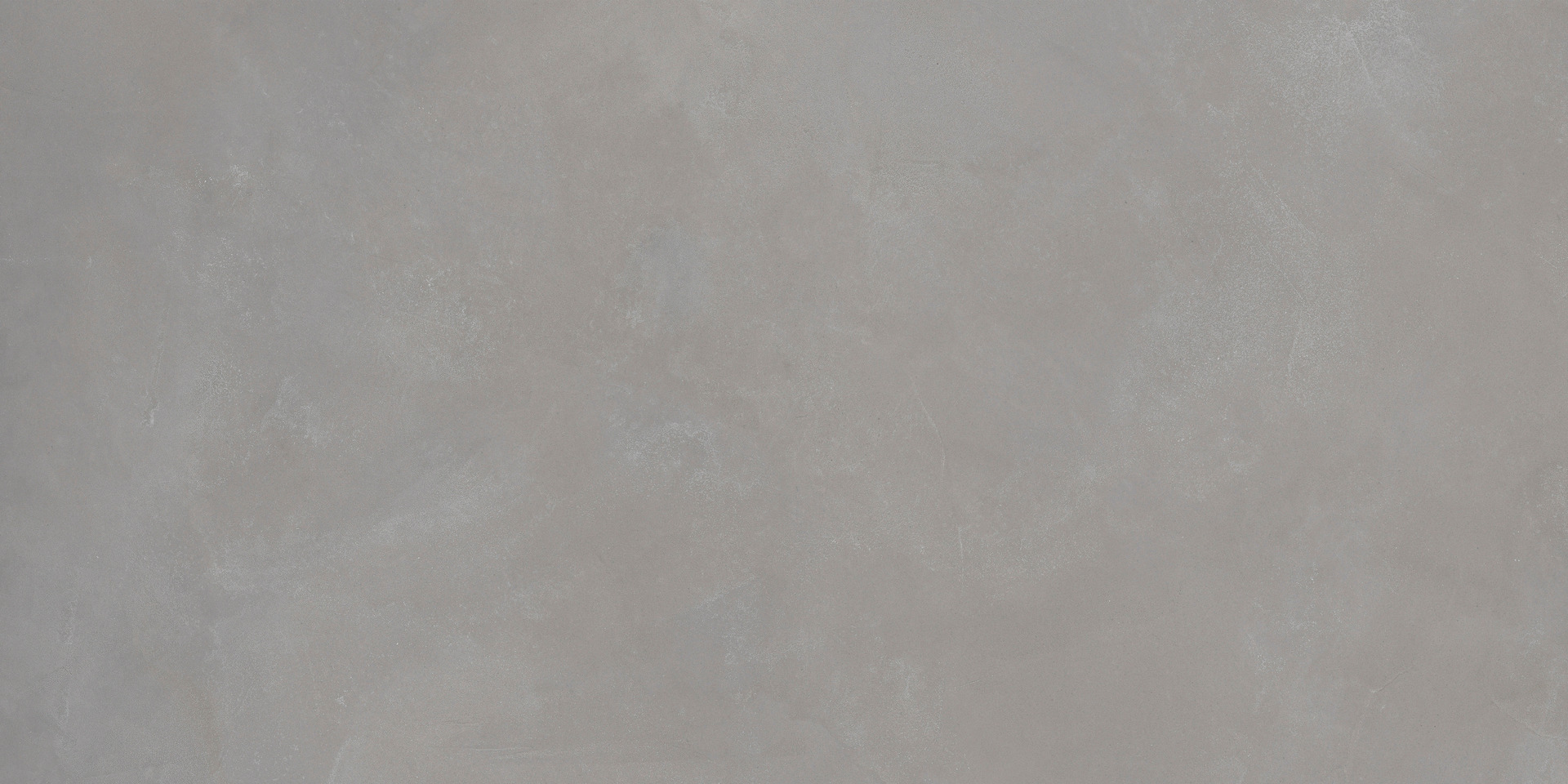
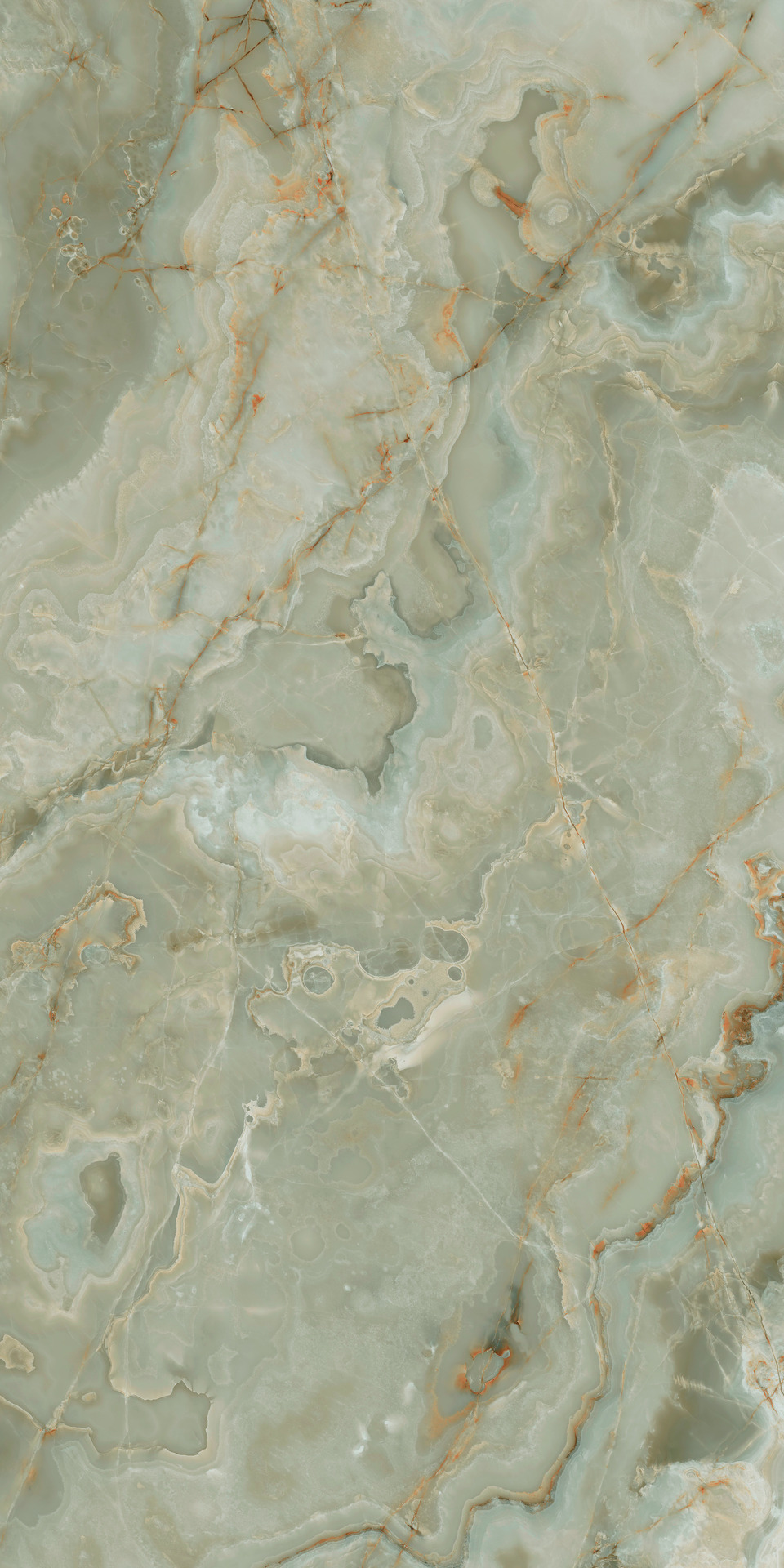




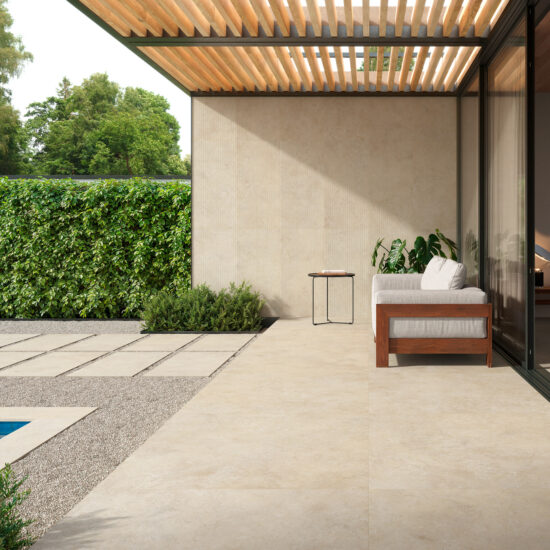
Mystone Tivoli20
- Colors 3
- Sizes 3




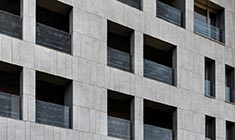 Ventilated facades
Ventilated walls's functionality and benefits
 Raised Floors
Functuality and benefits





Porcelain stoneware flooring reinterprets the aesthetics of wood, stone, marble, concrete, and many other materials through versatile and durable surfaces. Discover all the collections to design your floors.
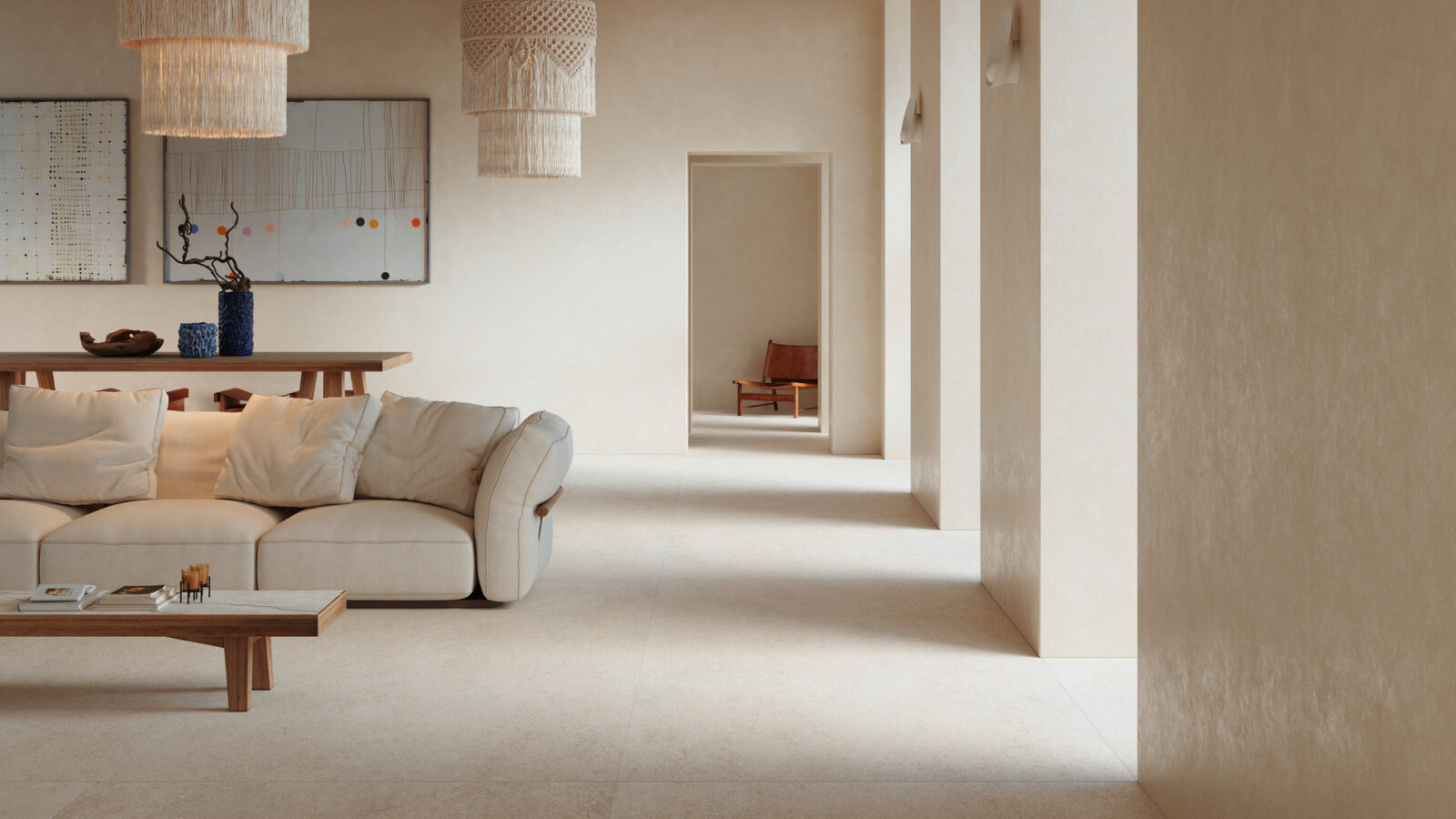
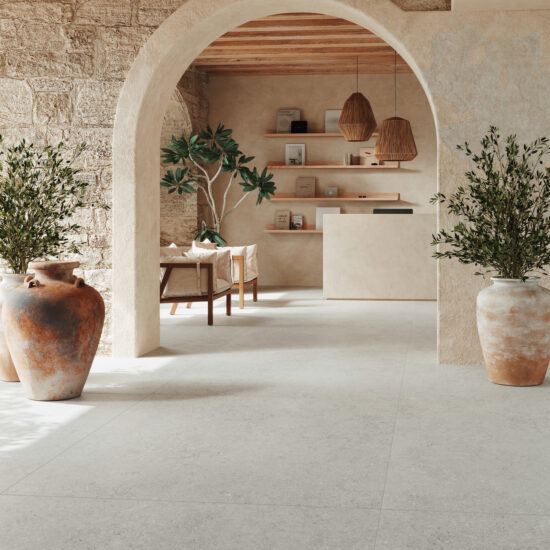
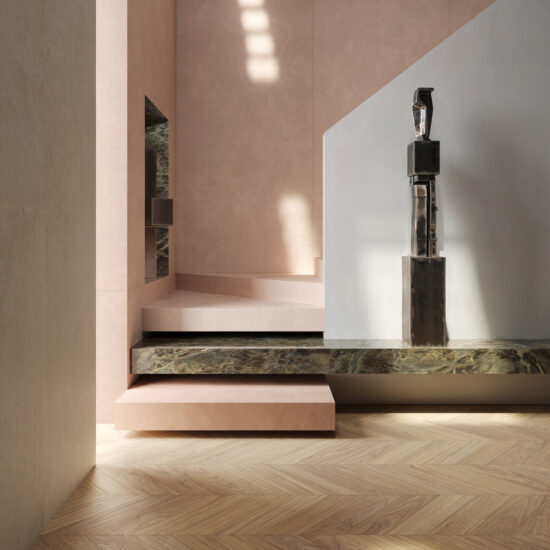
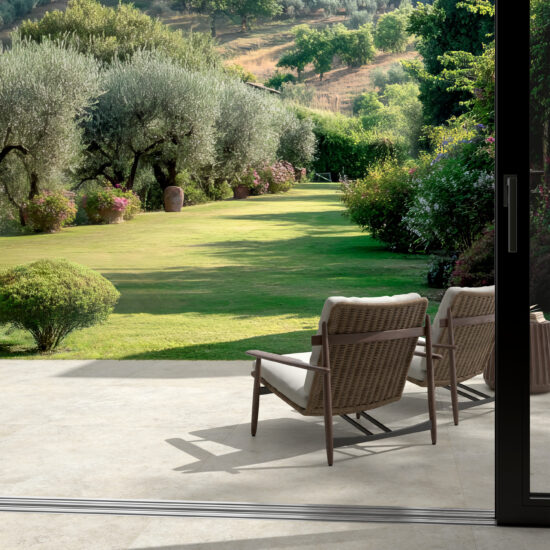
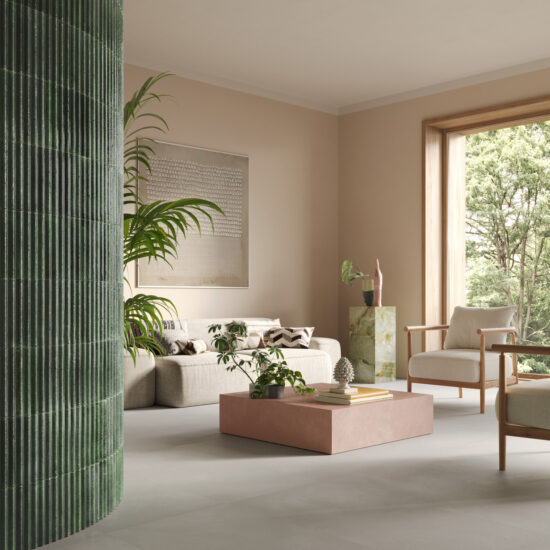
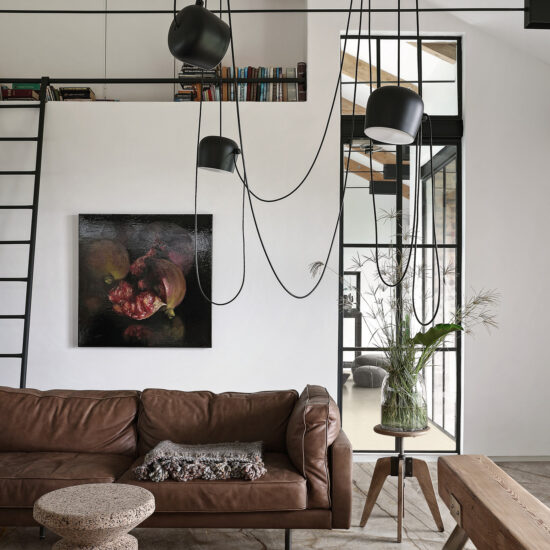
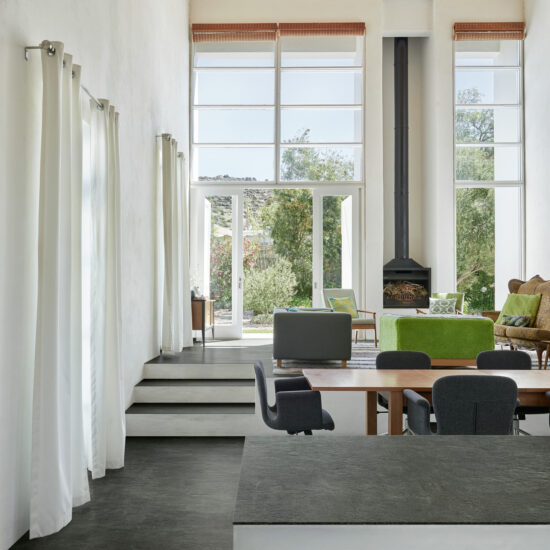


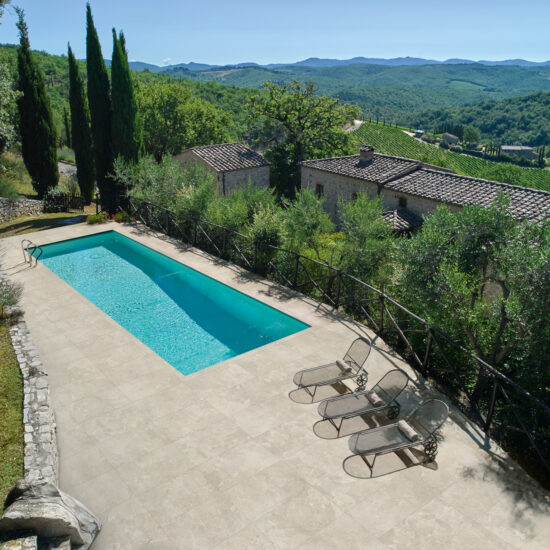
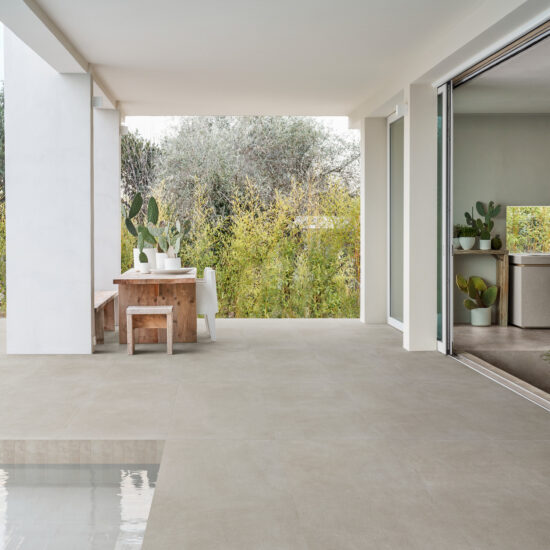


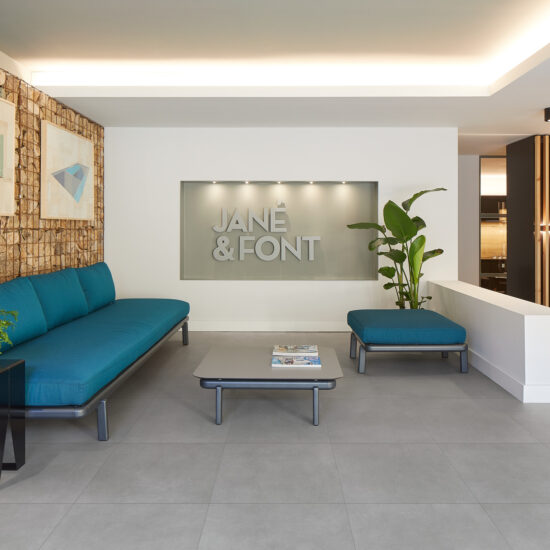


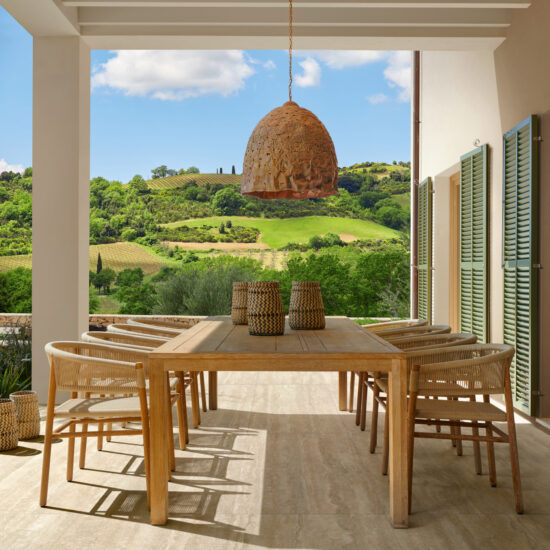
The choice of flooring always starts from the intended use. In indoor spaces, style, format, and finish are the main factors; in outdoor spaces, exposure to the elements, slip safety, and installation method also come into play. When the project involves both, it is possible to create continuity between indoors and outdoors by maintaining the same aesthetic language and choosing the most suitable surface for each area.
Porcelain stoneware combines the appearance of natural materials with wear resistance, compactness, and easy cleaning—qualities that allow the floor to preserve its technical and aesthetic features over time, even in high-traffic spaces.
The choice of flooring is based on a balance between technical and aesthetic requirements. The expected stress level determines the required resistance and the surface finish. Other factors include color, tile format, and thickness, which differs between interiors and exteriors.
For a broader overview, you can consult the guide with all the tips on choosing the right porcelain stoneware.
A floor must maintain its characteristics over time, even in the most lived-in rooms. Porcelain stoneware offers good resistance to passage and daily wear, making it suitable for both domestic spaces and areas subject to more frequent use.
The finish defines the visual and tactile effect of the floor. Matt and textured surfaces convey the grain of stone, wood veins, or cement textures, giving the space a natural look and feel.
Where the floor gets wet, the finish also affects safety. More structured surfaces offer better grip than smooth ones and are the main consideration for bathrooms and water-adjacent areas. In these cases, it is advisable to define the finish together with the designer or installer.
The format plays a decisive role in the flooring design. Large formats and Grande Line slabs reduce the visual presence of joints and help create wide, continuous surfaces, especially suited to essential and contemporary projects.
Smaller modular formats, square or rectangular, remain the choice for more traditional installations and floor layouts such as staggered or running bond patterns.
Marazzi's collections cover a wide range of shades: from white and beige floors to grey with a neutral, contemporary tone, through to brown and black. Lighter tones can enhance bright and natural projects, while darker shades allow for more bold, characterful surfaces.
The choice depends more on the room's lighting, size, and furnishing style than on fixed rules.
See also: Are light or dark floors better?
Indoors, porcelain stoneware with traditional thickness is usually used, meeting the needs of all rooms in the home. With the right surface (and correct slip resistance), these tiles can also be installed in indoor & outdoor continuity.
The 20 mm extra thickness instead meets specific design requirements, usually in outdoor spaces, and especially for paving subject to more intense loads.
The Extra Thick range offers a wide variety of styles even for these applications.
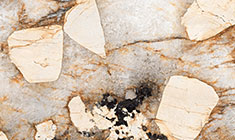
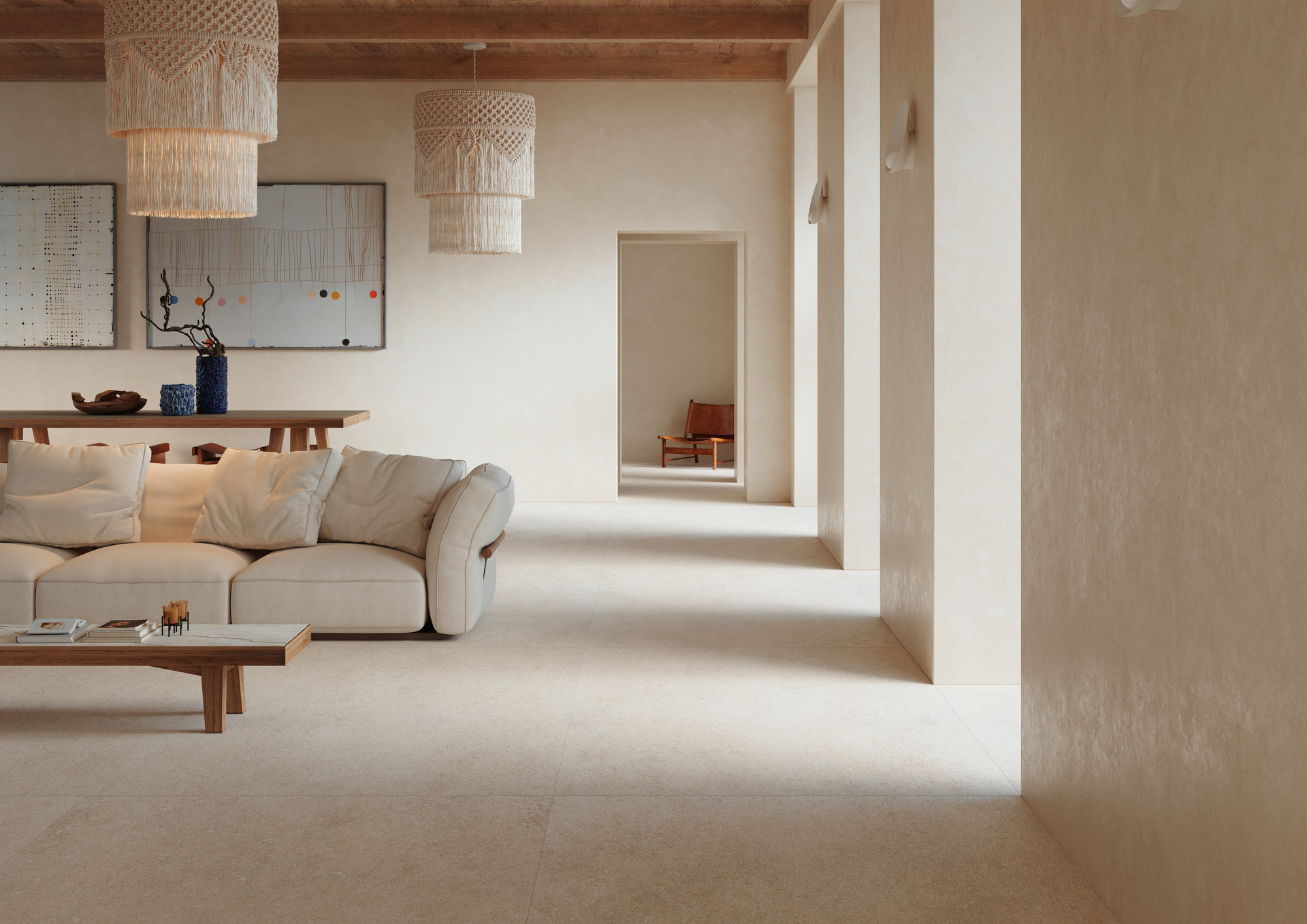
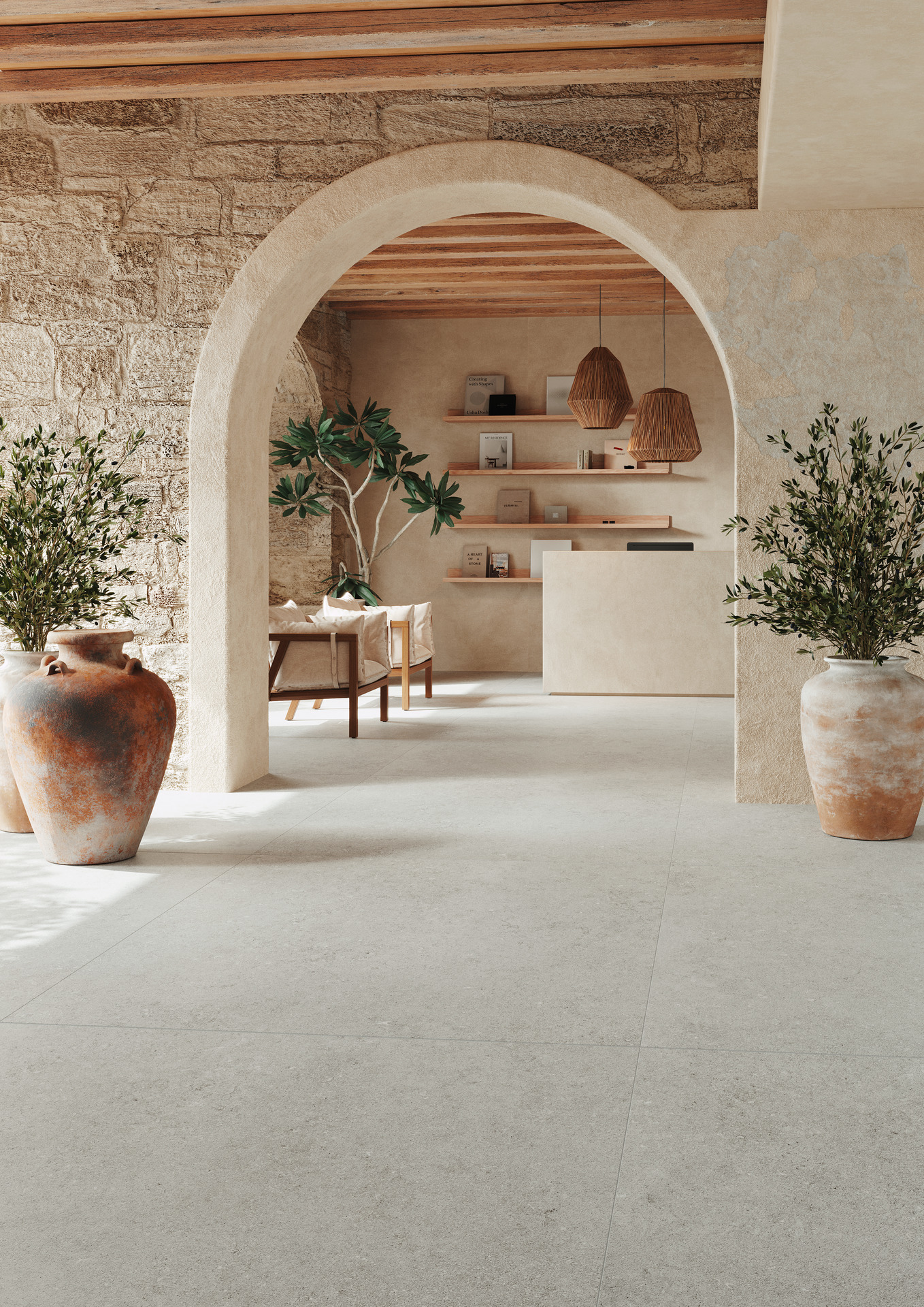
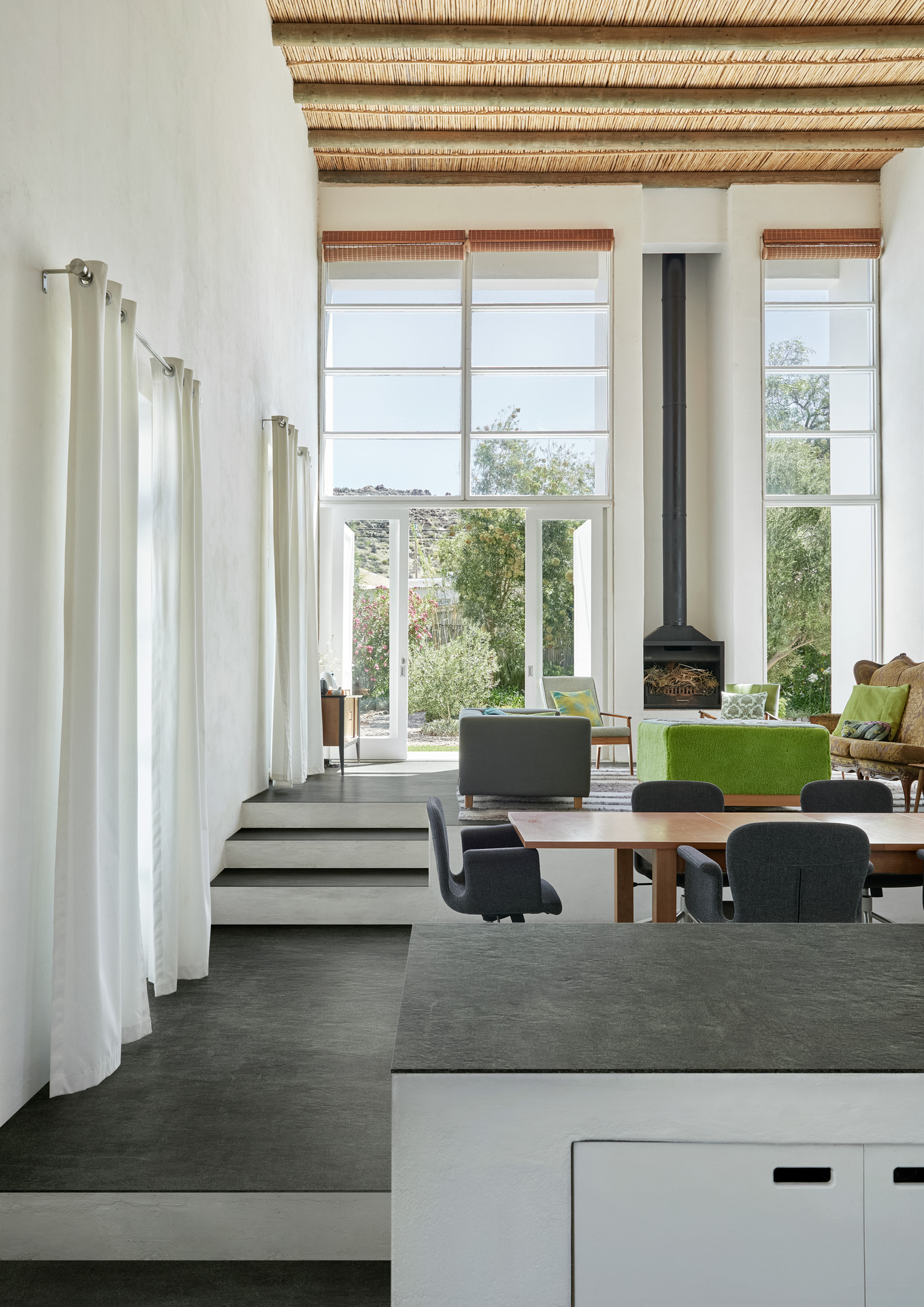
The stone effect is particularly popular, with various interpretations such as Mystone Tivoli 20mm, Mystone Pietra di Sardegna20, Campaspero20, and Naturalia 20mm, allowing you to choose between more subtle, textured, or natural-looking surfaces according to the character of the space.
For a more essential look, Slow Cold 20mm brings the concrete aesthetic outdoors. The range also includes other effects: Fabula 20mm interprets marble, while Vero20 lets you use the visual warmth of wood even in extra-thick paving.
Porcelain stoneware enables the interpretation of a wide range of materials in flooring while maintaining the technical performance of ceramics.
The wood-effect porcelain brings the visual warmth of natural woods to rooms, while the stone effect highlights textures, variations, and depth inspired by natural materials.
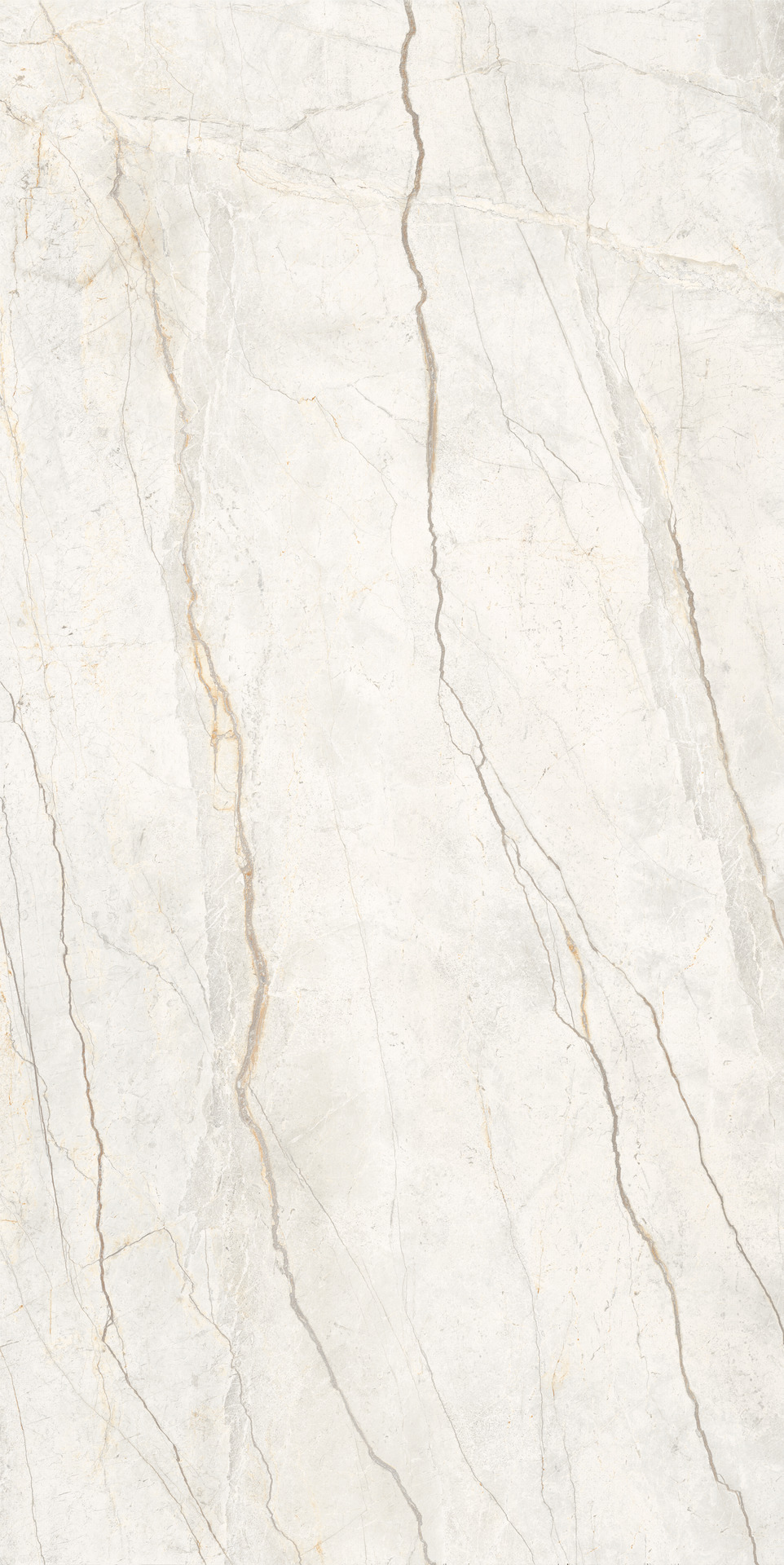
Those looking for more elegant surfaces can focus on the marble effect, which reinterprets the veining and luminosity of natural marble. The terracotta and concrete effect instead works with more textured finishes, able to span from warm, rustic atmospheres to essential and contemporary projects.
For a more uniform and minimal look, the resin effect allows for visually seamless flooring. Decorative effects are also available, such as terrazzo, cement tiles, and solid colors, which allow you to add more graphic rhythm or chromatic presence to the surface.
Indoors, porcelain stoneware offers great design freedom: the choice depends mainly on the atmosphere you want to create, frequency of use, and the specific characteristics of the space.
In the kitchen, the floor must suit a room used daily and cleaned frequently; this is why resistant and easy-to-maintain surfaces are ideal.
See also: How to choose tiles for the kitchen
In the bathroom, besides aesthetics, the surface finish becomes more important. In the most water-exposed areas, such as the shower, it is important to check that the chosen product has appropriate slip resistance characteristics.
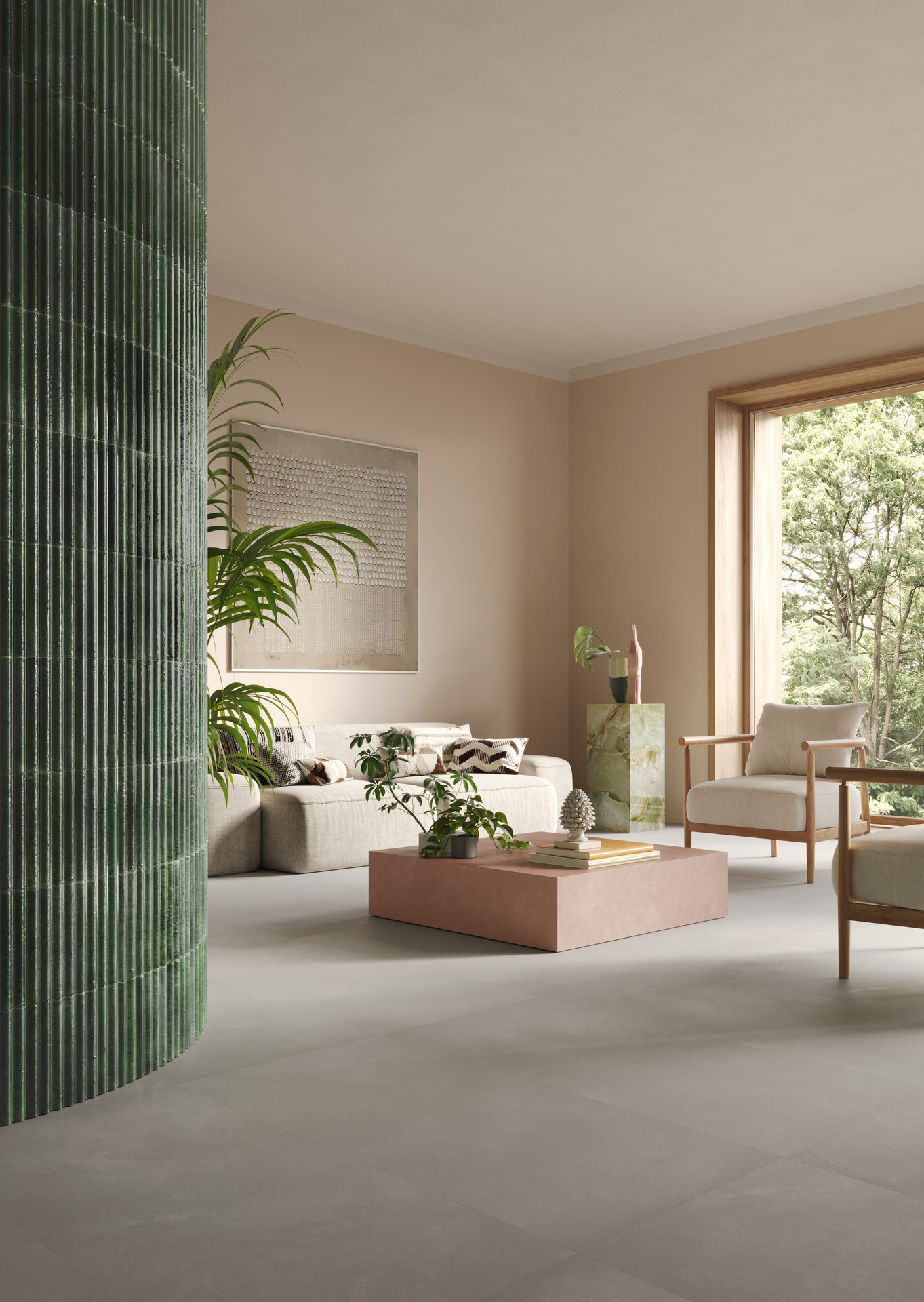
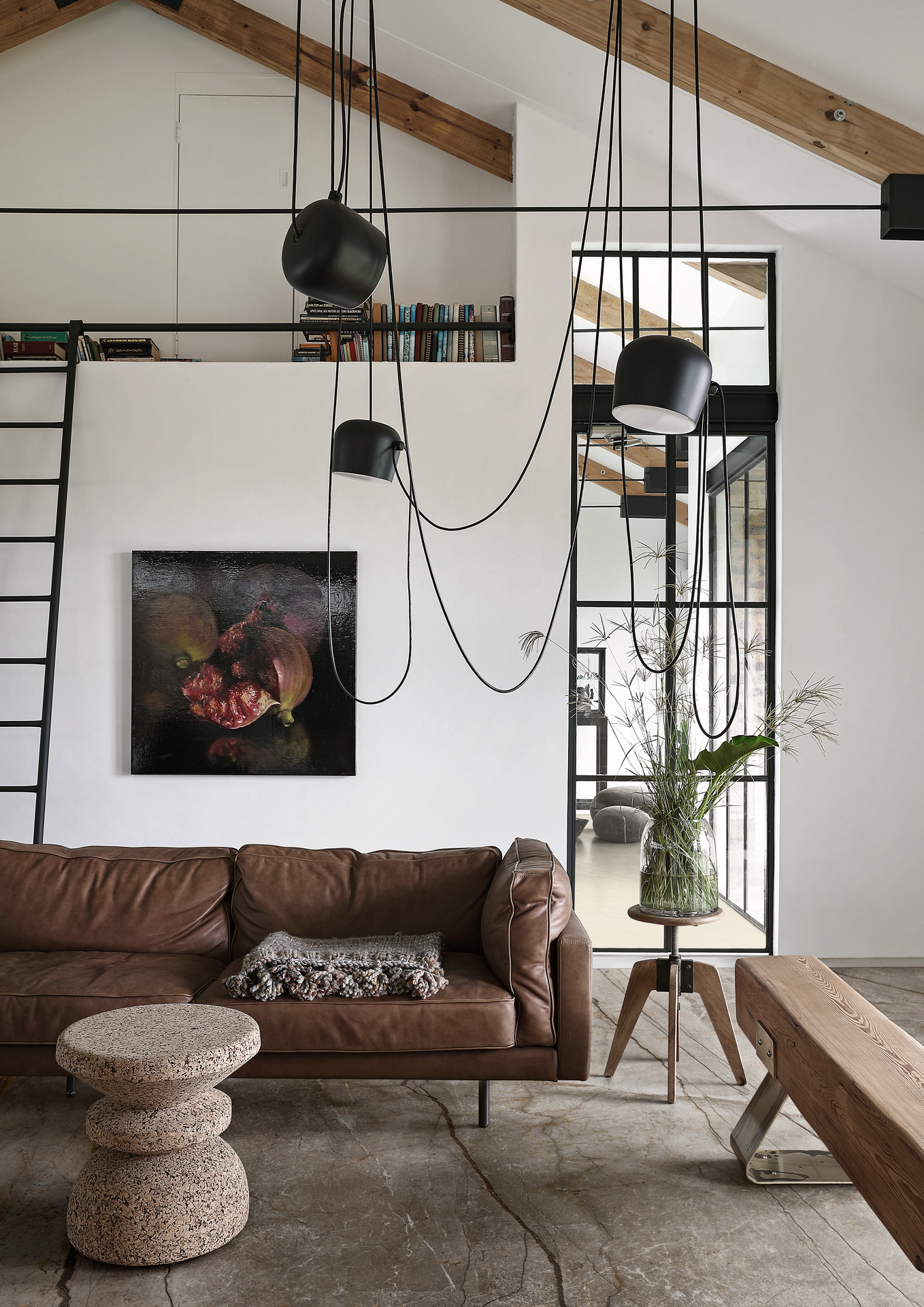
In the living room, the floor plays a key role in the perception of the entire space: large surfaces, material effects, and chromatic continuity can help create a coherent and harmonious living area.
In the bedroom, wood and stone effects and softer shades allow you to create warmer and more intimate atmospheres, while maintaining the practical advantages of porcelain stoneware.
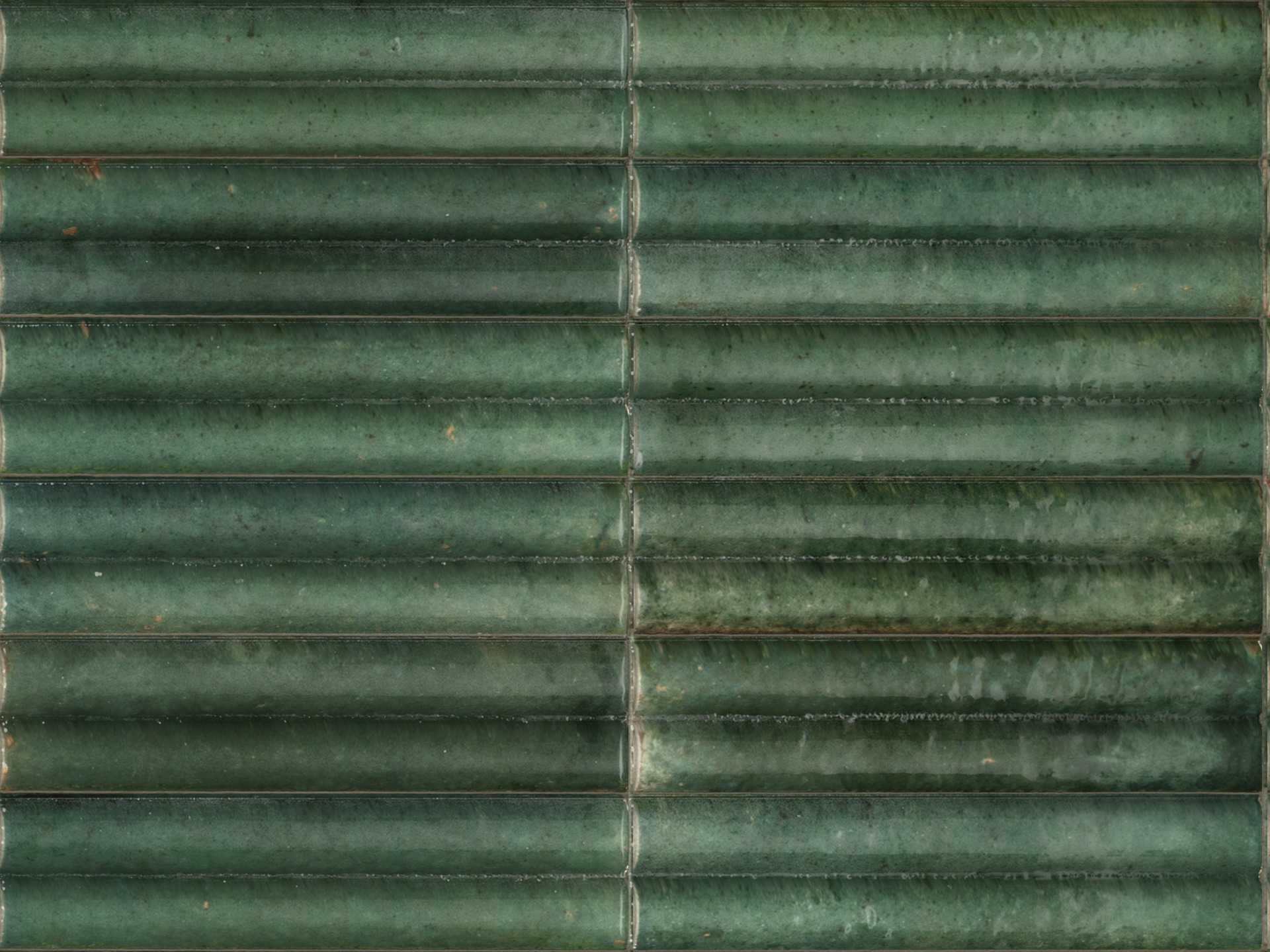
If desired, you can choose collections designed for coordinated floor and wall coverings, maintaining continuity in color, material, and effect.
Yes. Using the same floor in several rooms creates visual continuity between spaces and makes transitions from one area to another more seamless. A professional can define the best layout to keep the flooring as uniform as possible.
In frequently used areas, regular cleaning is enough, using products suitable for the material and focusing more on spots where dirt and debris accumulate. For more information, you can consult the guide on how to clean porcelain stoneware.
Yes. Porcelain stoneware is particularly suitable for underfloor heating because it conducts and distributes heat efficiently, helping to spread it evenly throughout the space.
