











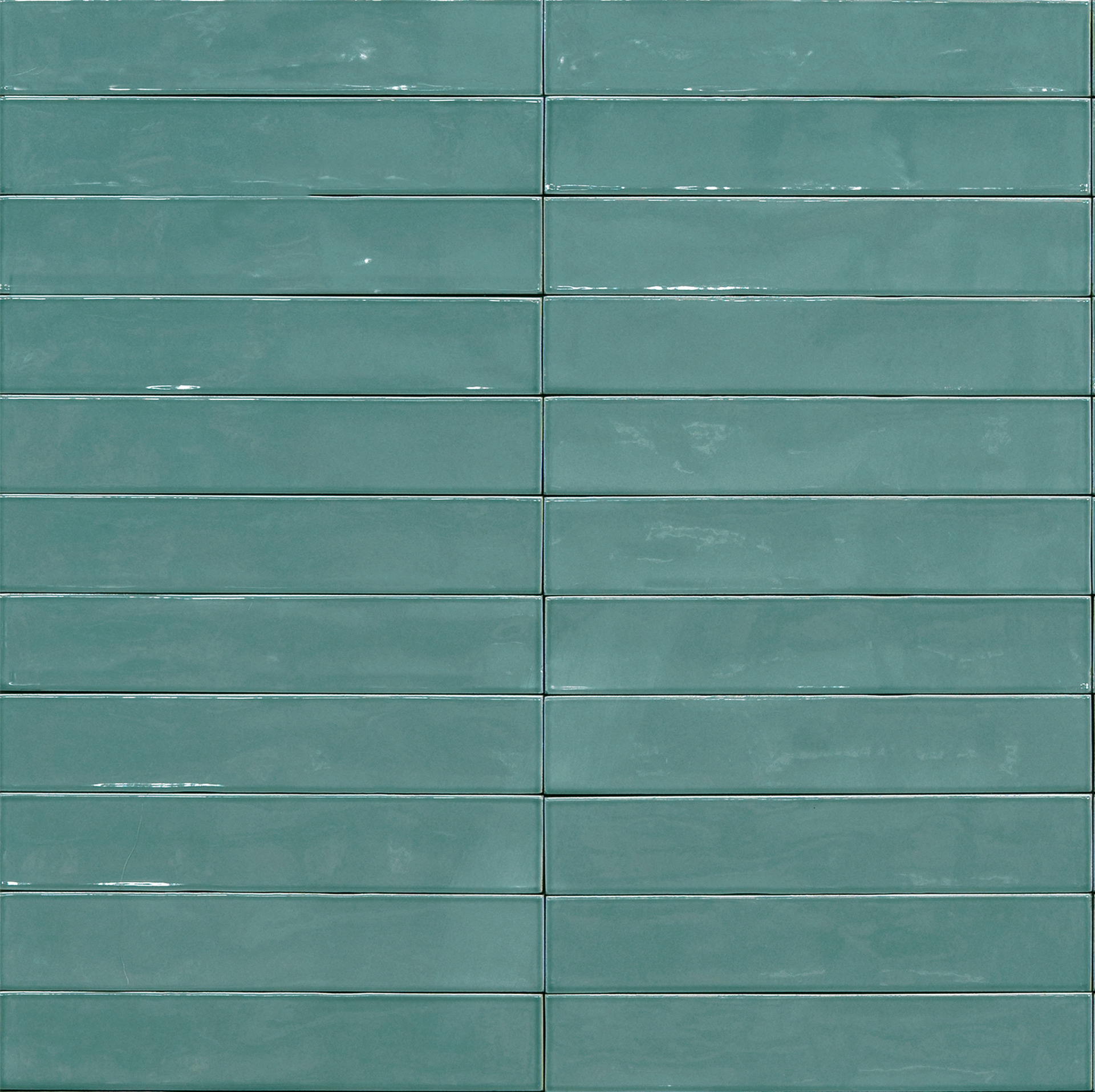

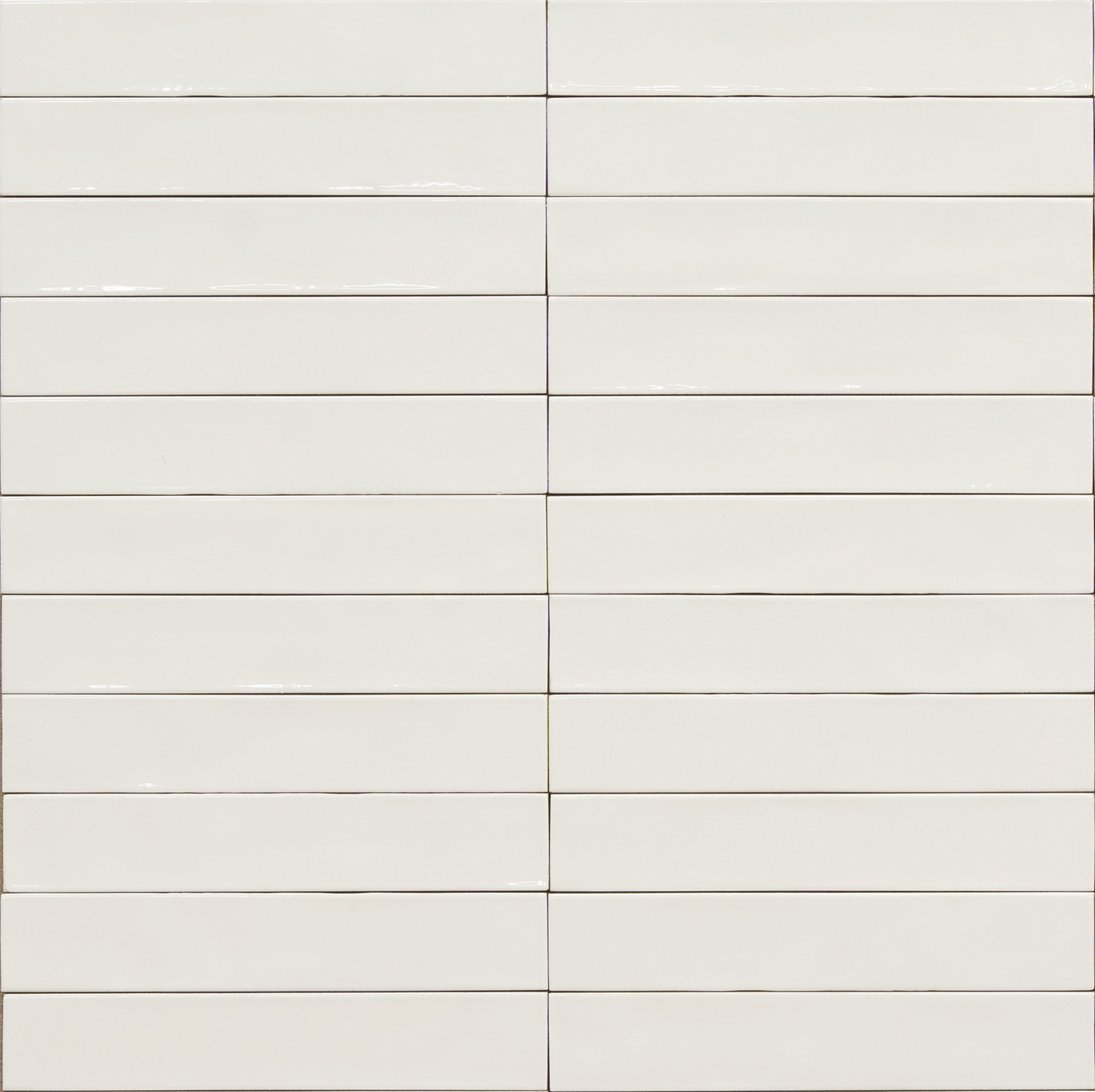
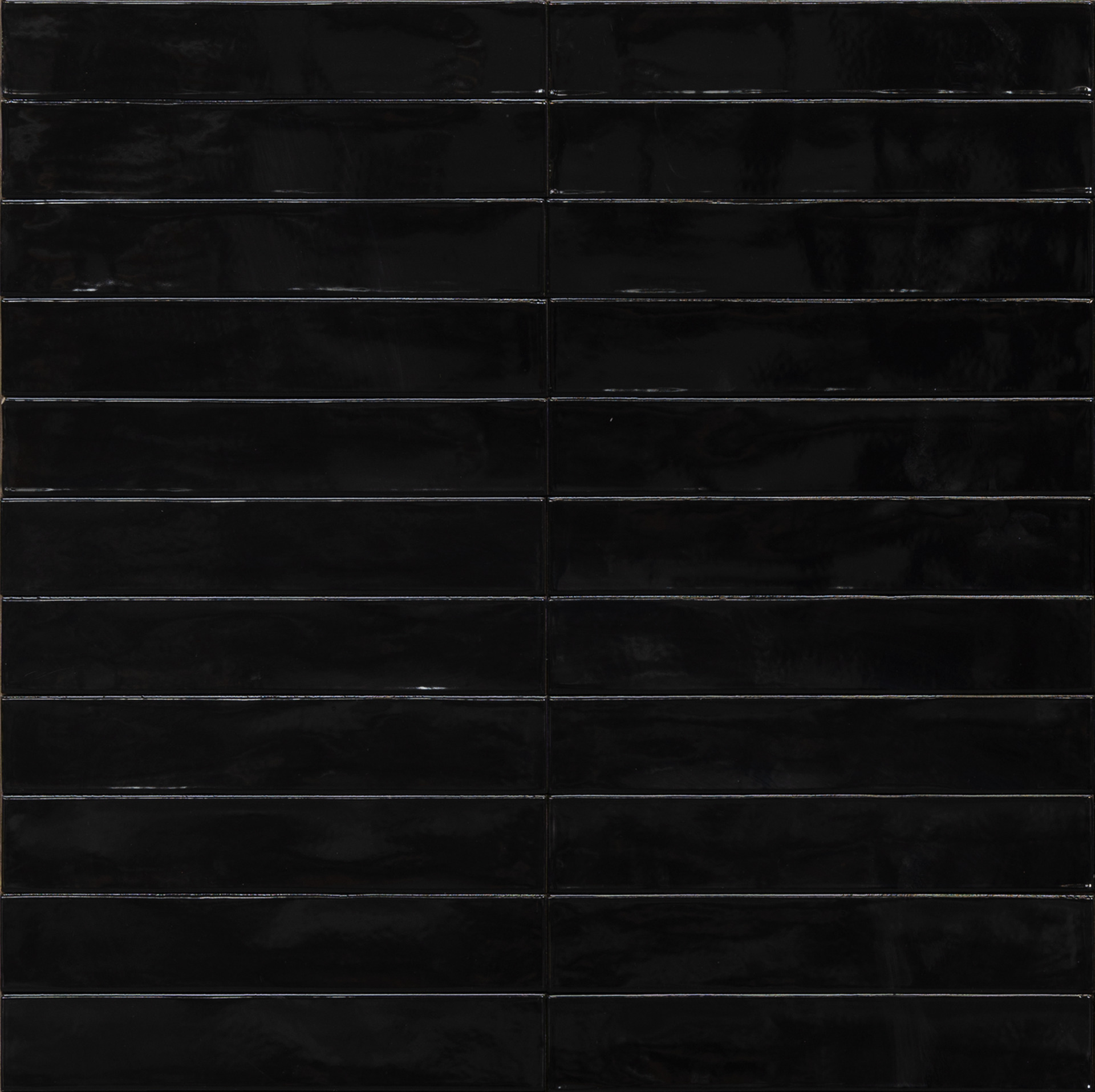

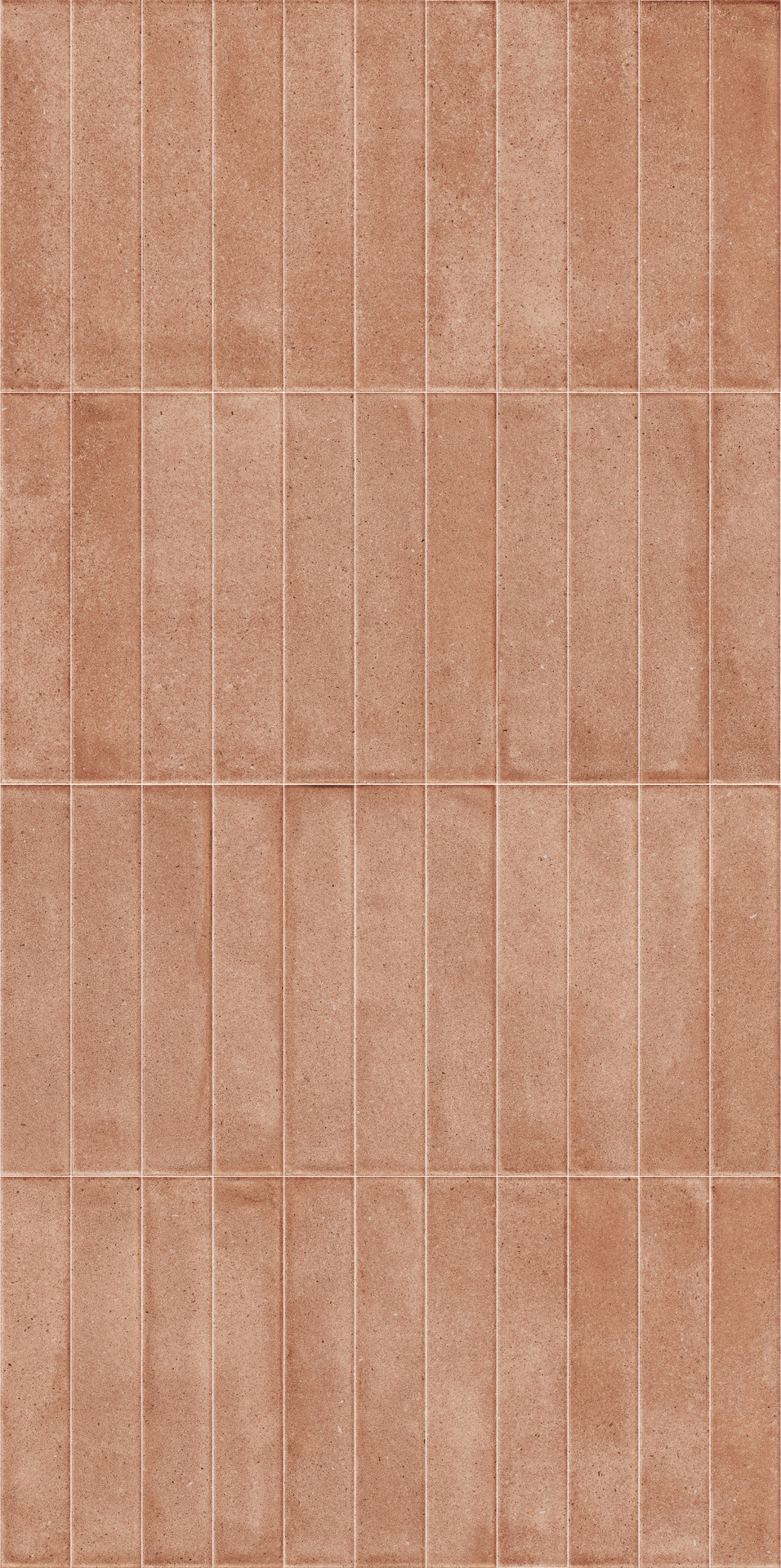








Lume
- Colors 16
- Surfaces 1
- Sizes 2




 Ventilated facades
Ventilated walls's functionality and benefits
 Raised Floors
Functuality and benefits





Compact sizes, great creative possibilities: small format tiles enhance floors and wall coverings through original geometric patterns, textures, and installation layouts. Discover Marazzi collections in ceramic and small-format porcelain stoneware.
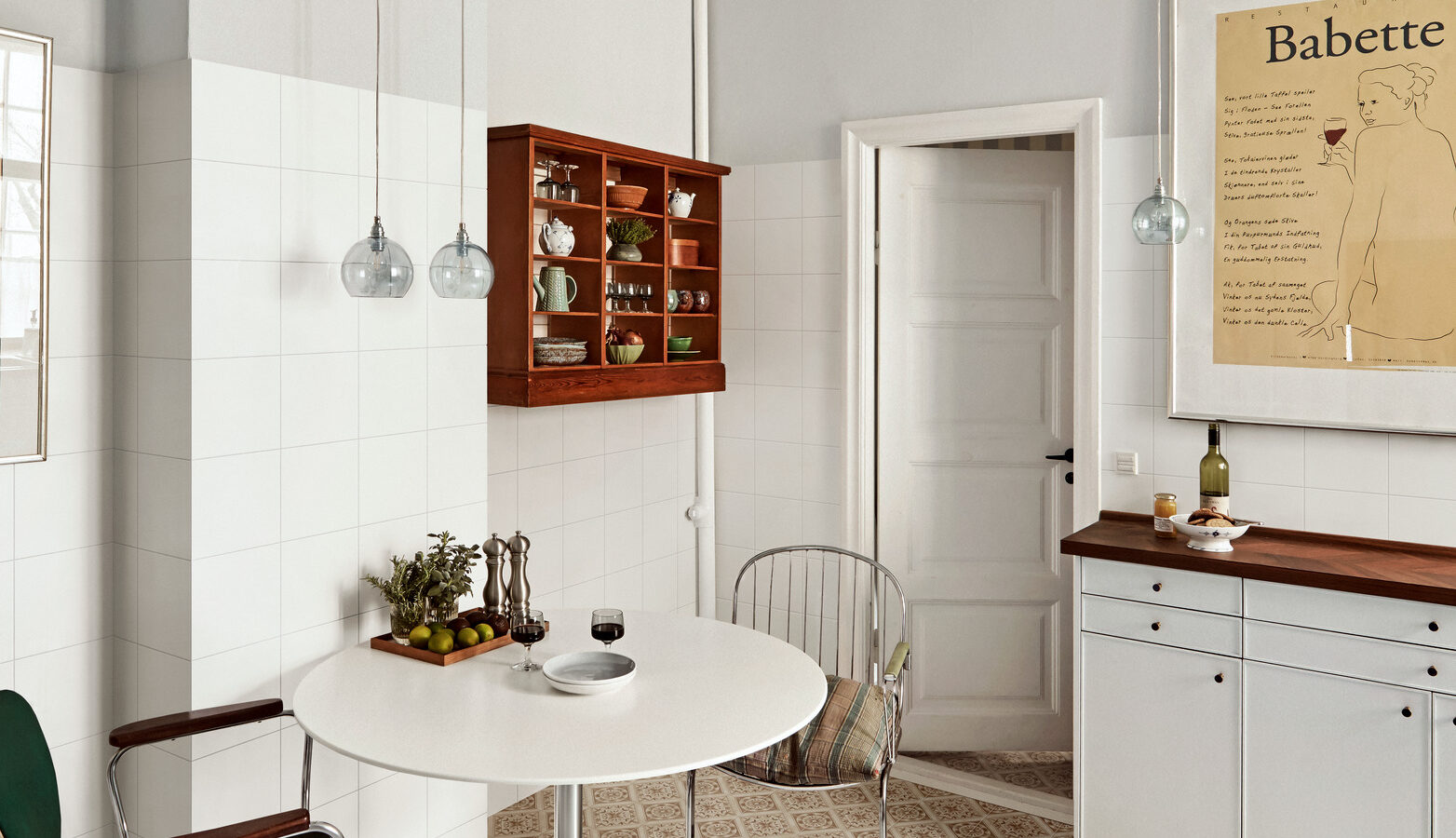

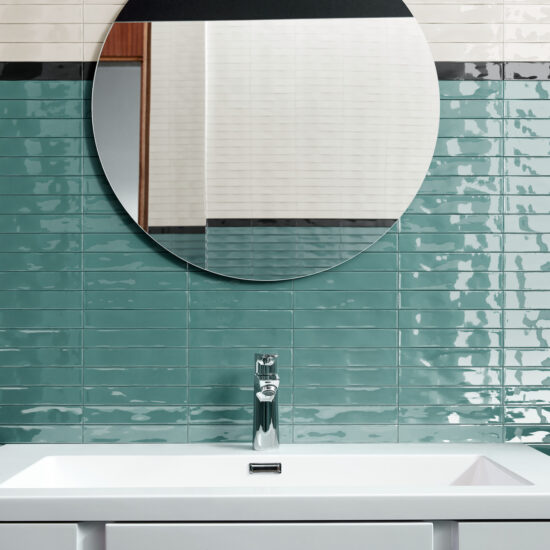


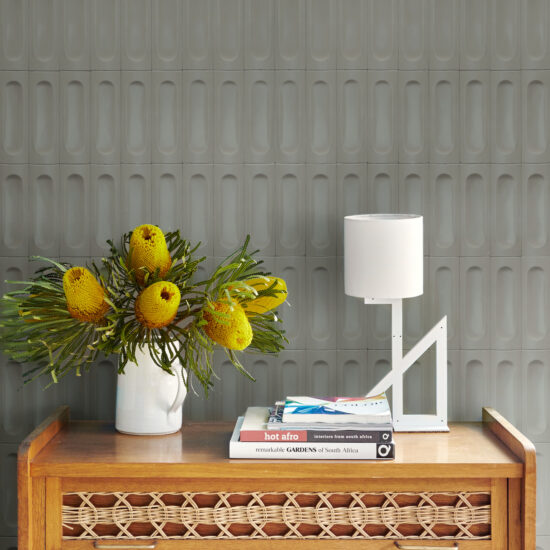
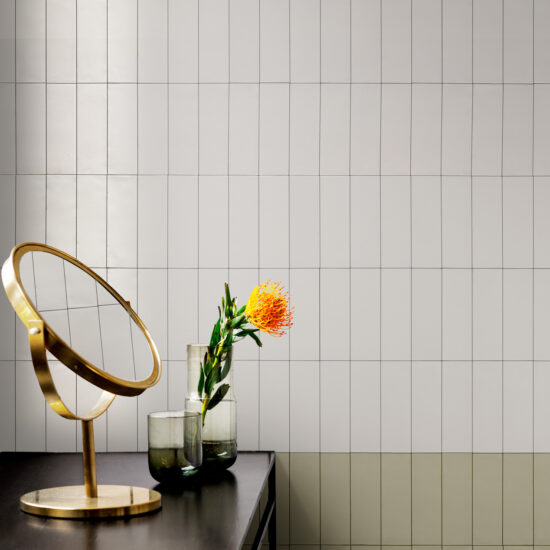
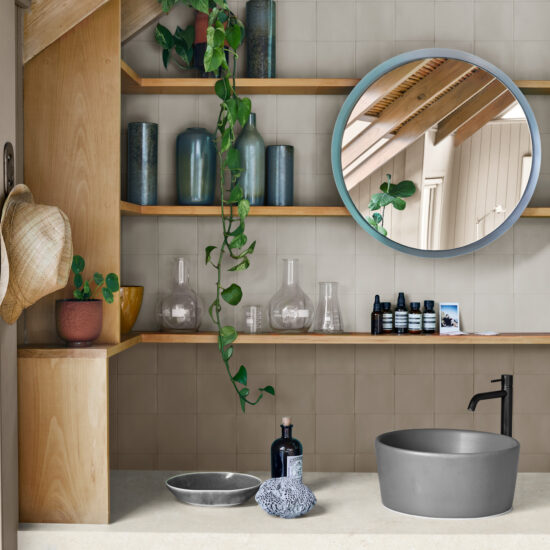

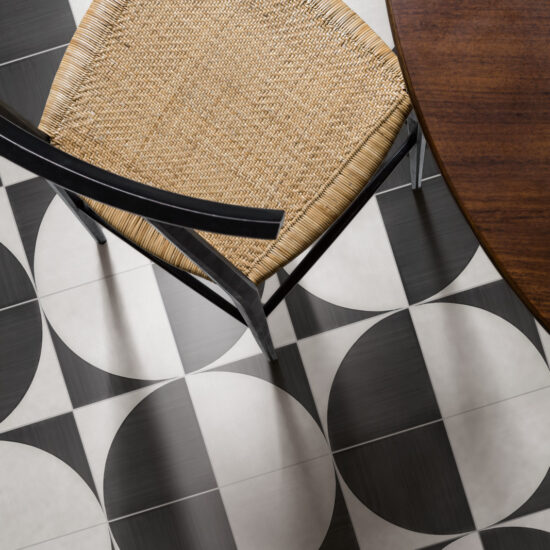
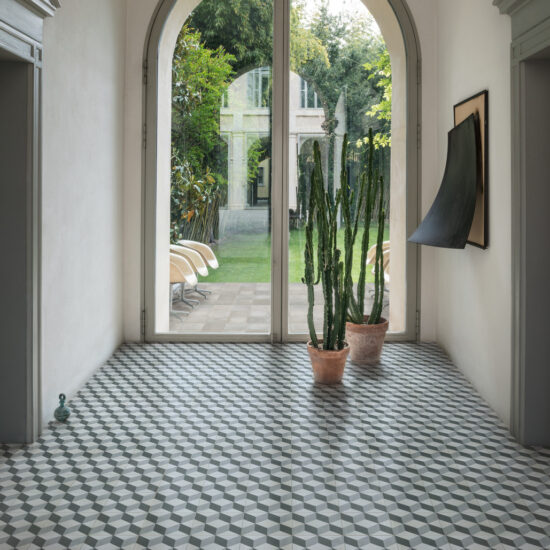
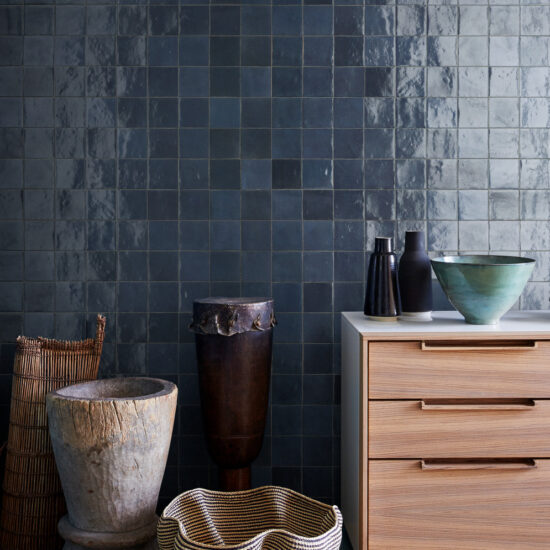
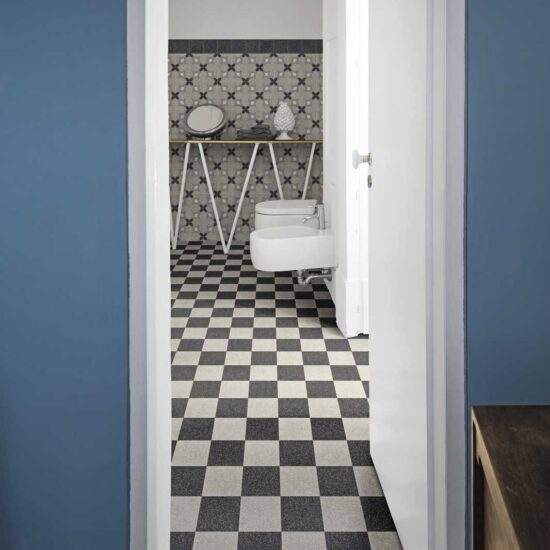
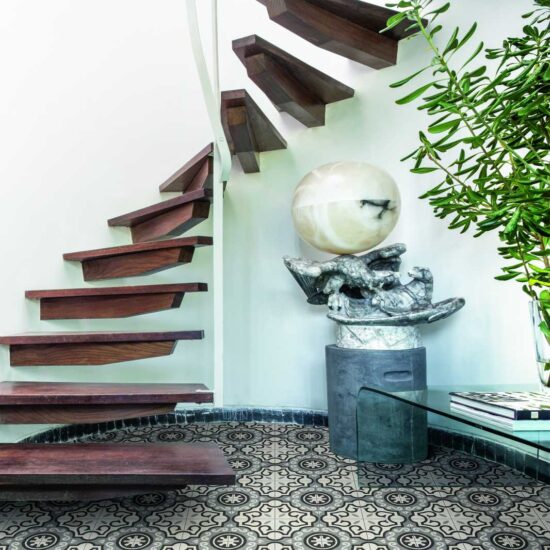

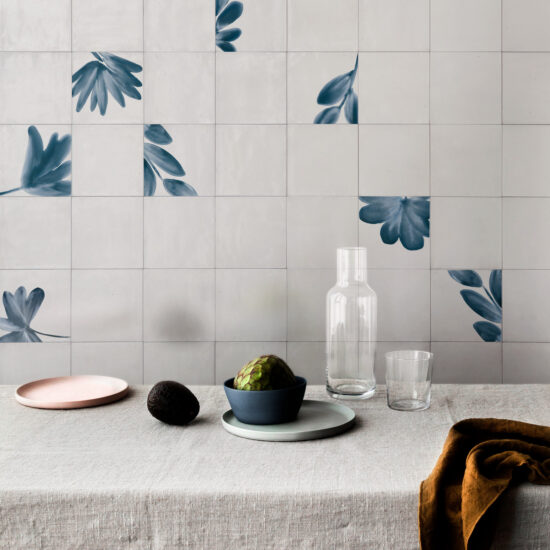

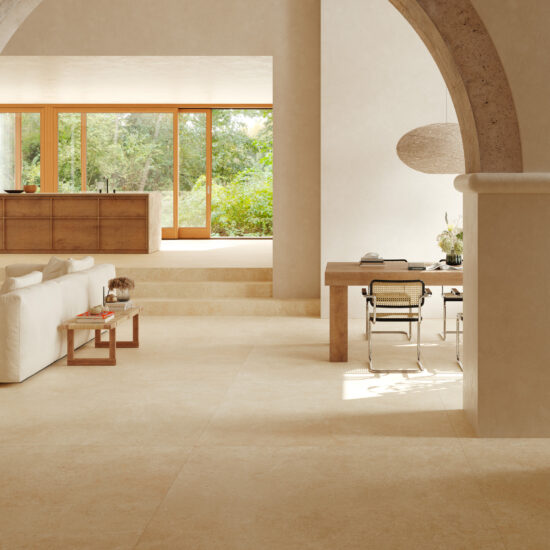


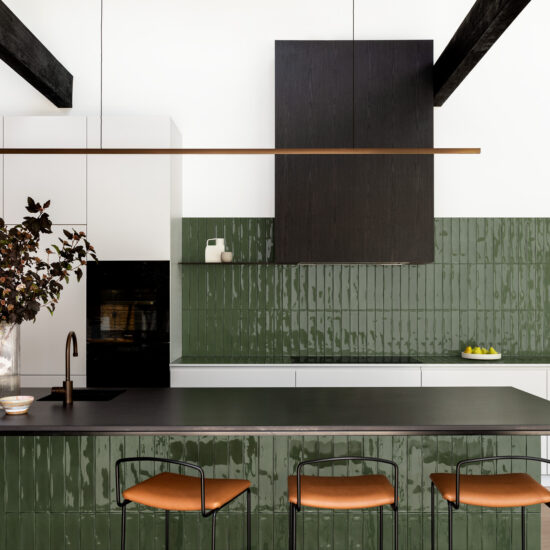


The small format represents a versatile design choice, capable of enriching spaces through the rhythm of grout lines and tile proportions.
Small format tiles allow even complex surfaces to be enhanced, transforming niches, walls, and architectural details into decorative elements. Small tiles do not necessarily have to cover an entire room: they can be used to define an area or create a decorative accent, even in combination with larger formats.
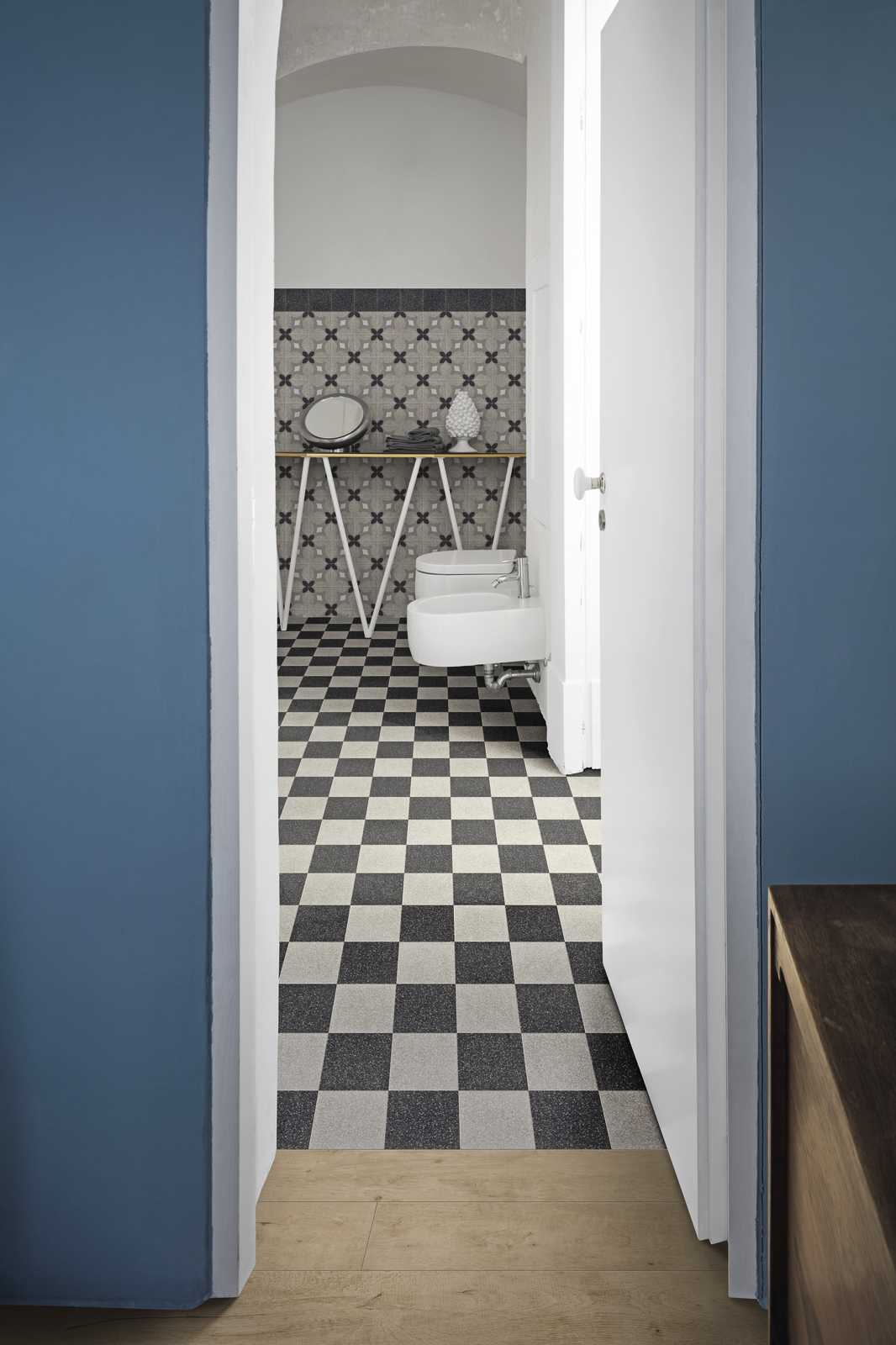
In the design of a small bathroom, the tile format helps define the proportions and character of the space.
However, there is no rule stating that a small bathroom must be tiled exclusively with small tiles. Even large formats and chromatic continuity between floor and walls can help create a tidier and airier perception.
In the shower area, small tiles can add rhythm to vertical surfaces and create a contrast with the rest of the bathroom: the pattern of the grout lines becomes part of the design, especially when alternating horizontal and vertical layouts or choosing different colors.
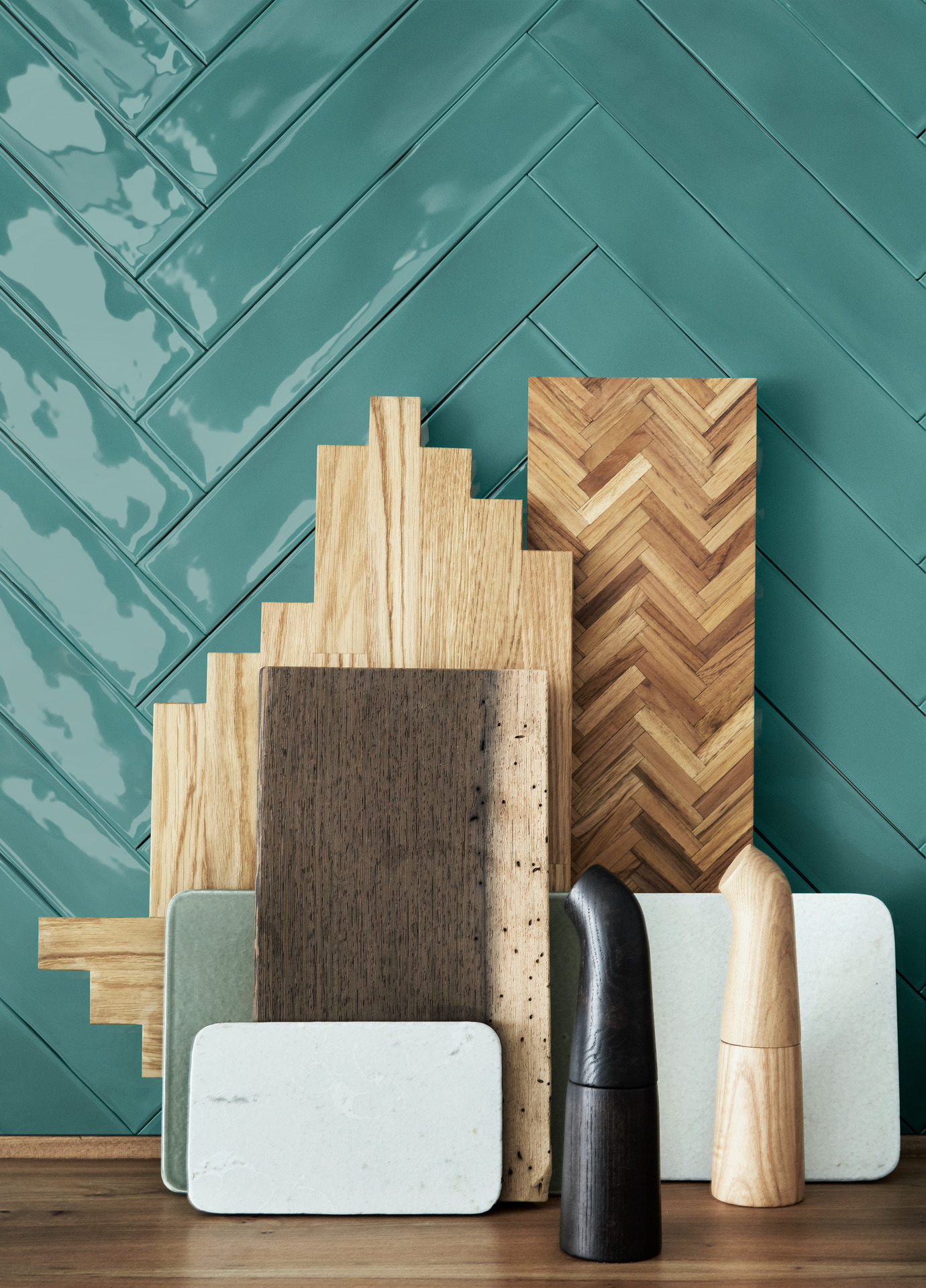
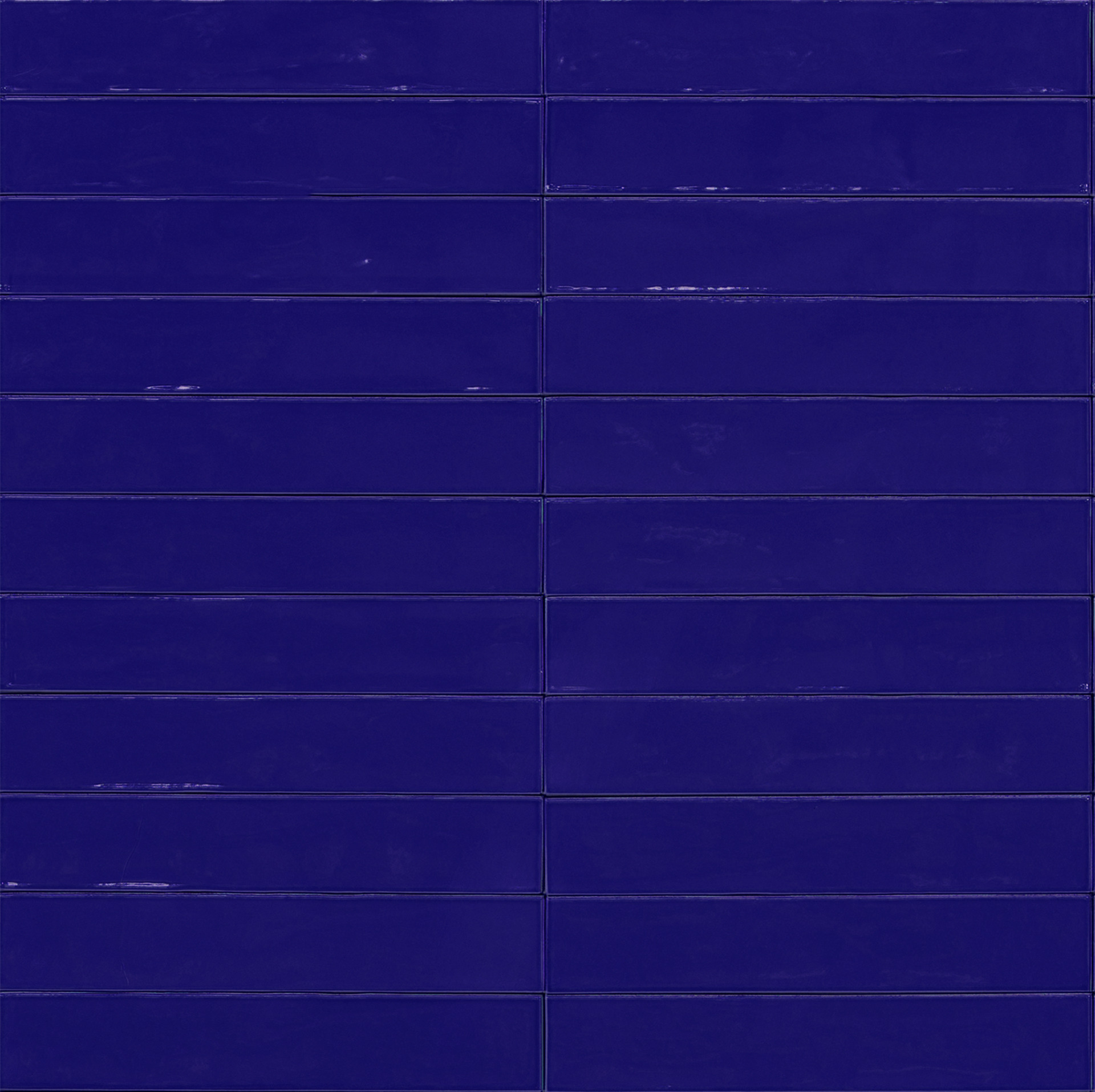
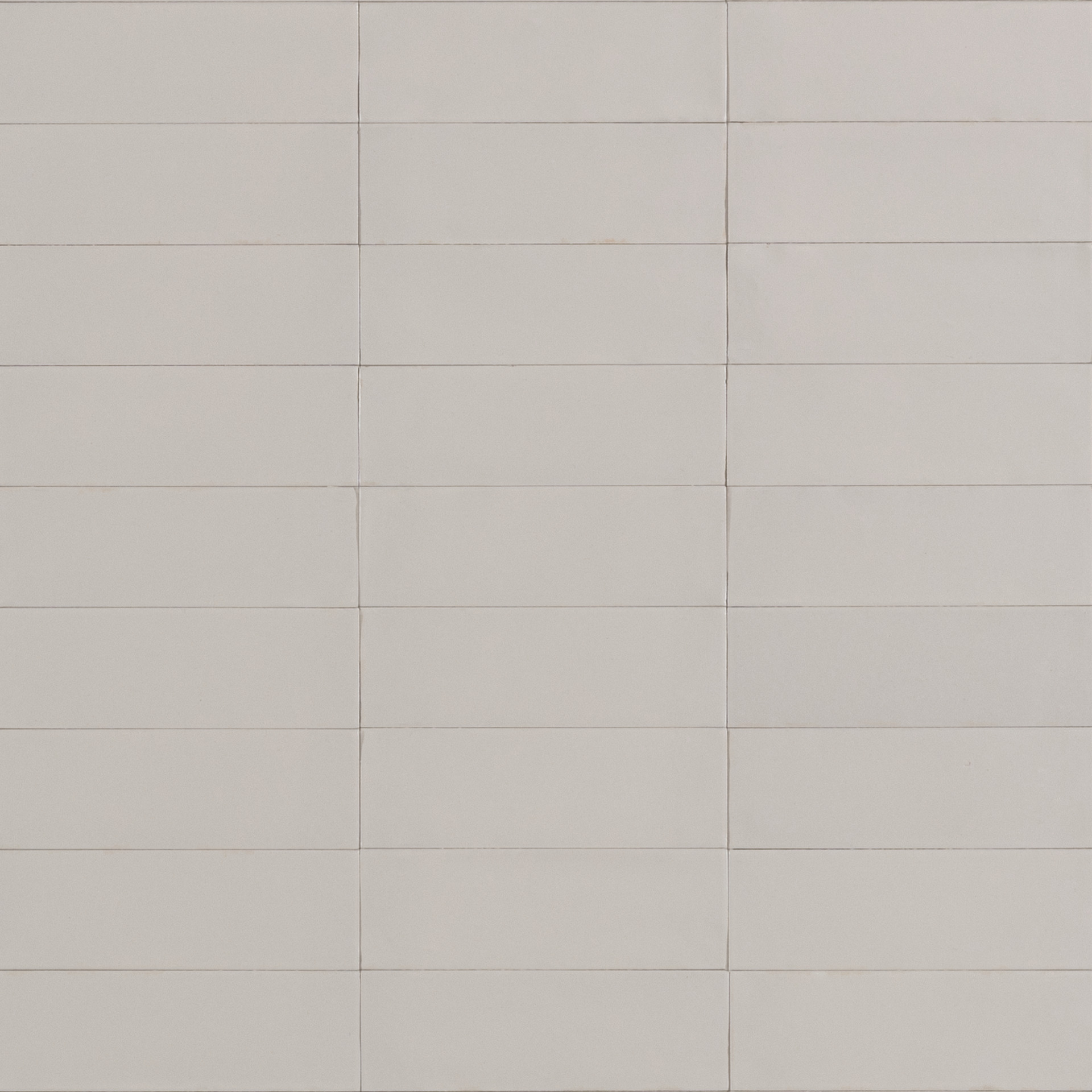
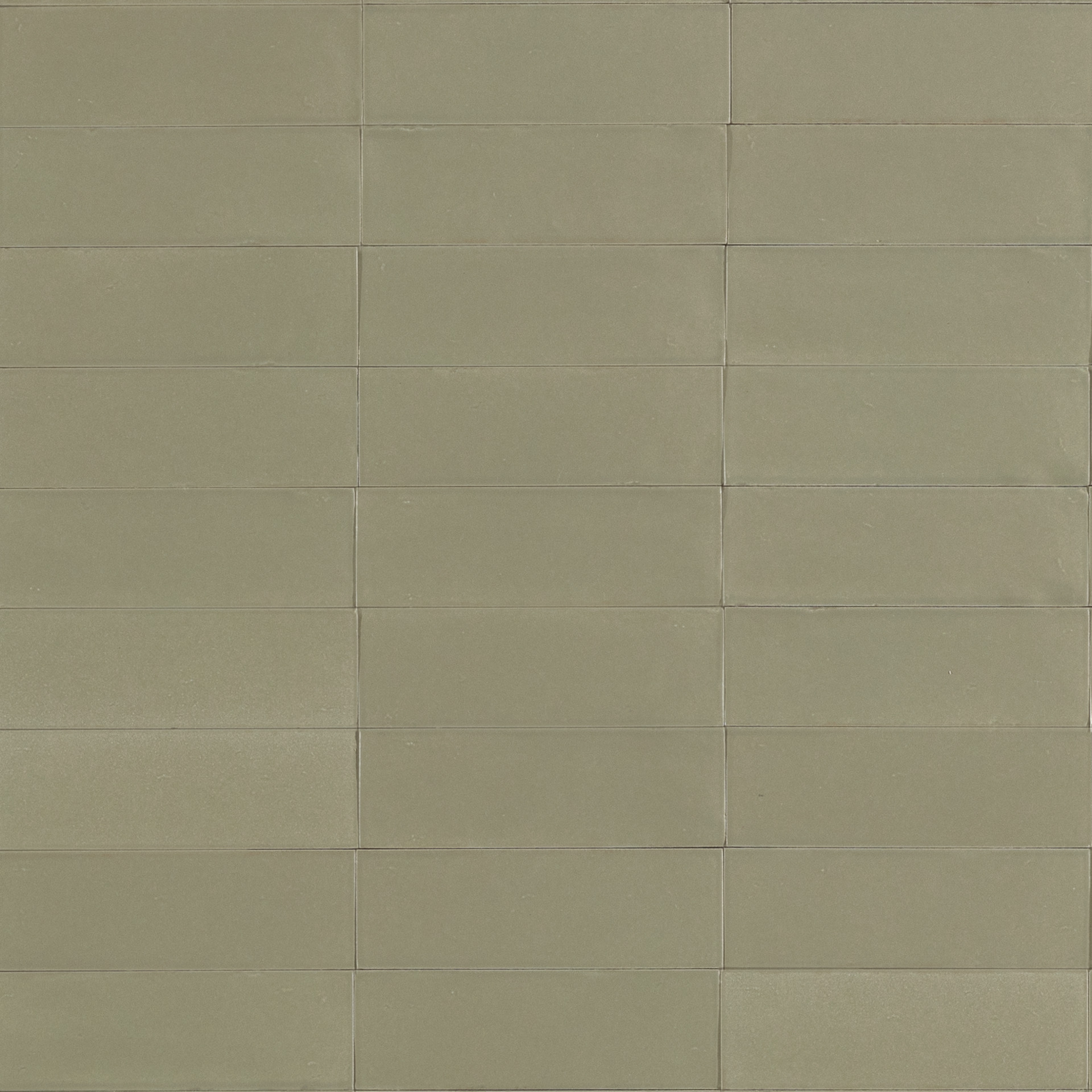
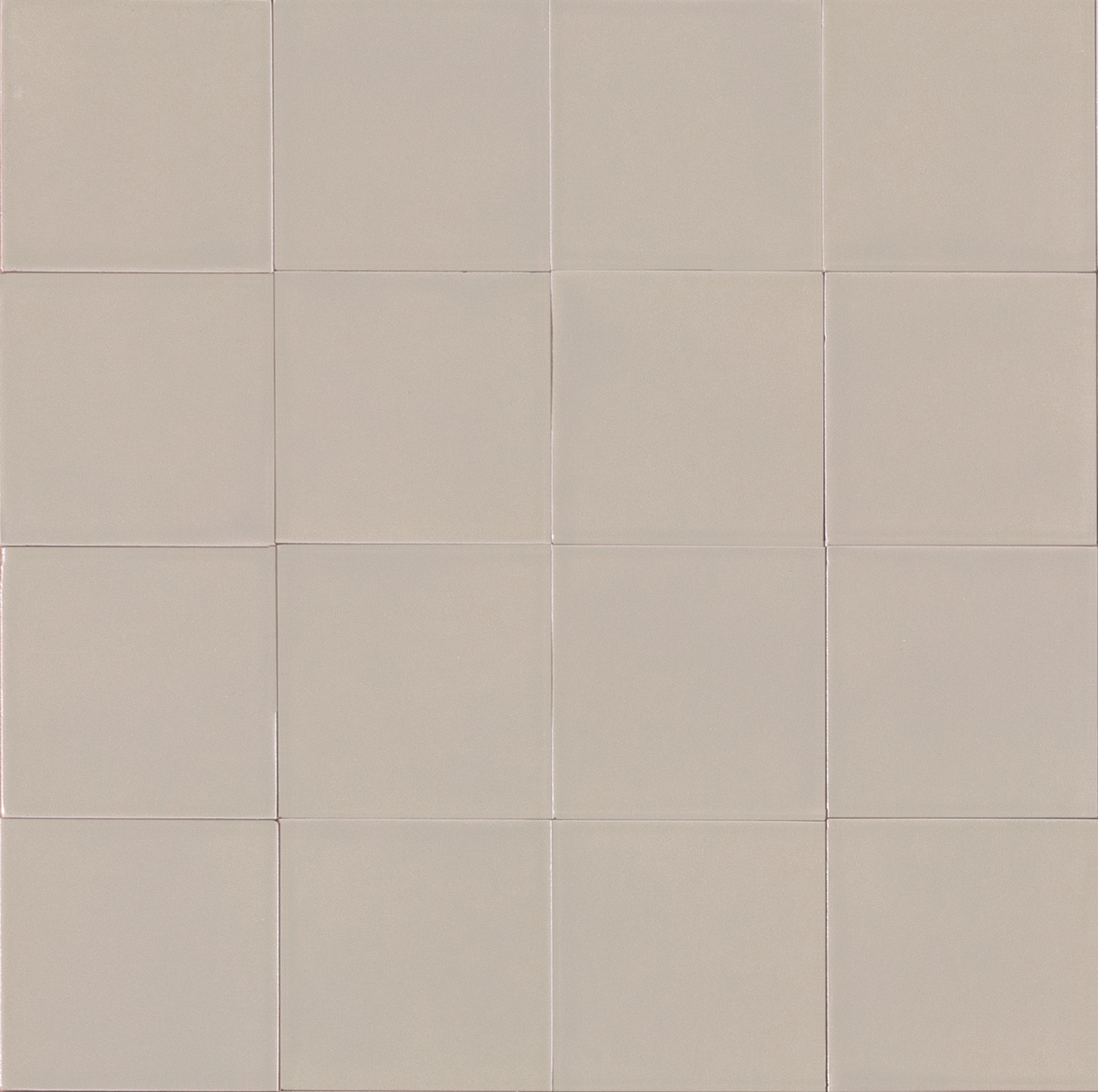
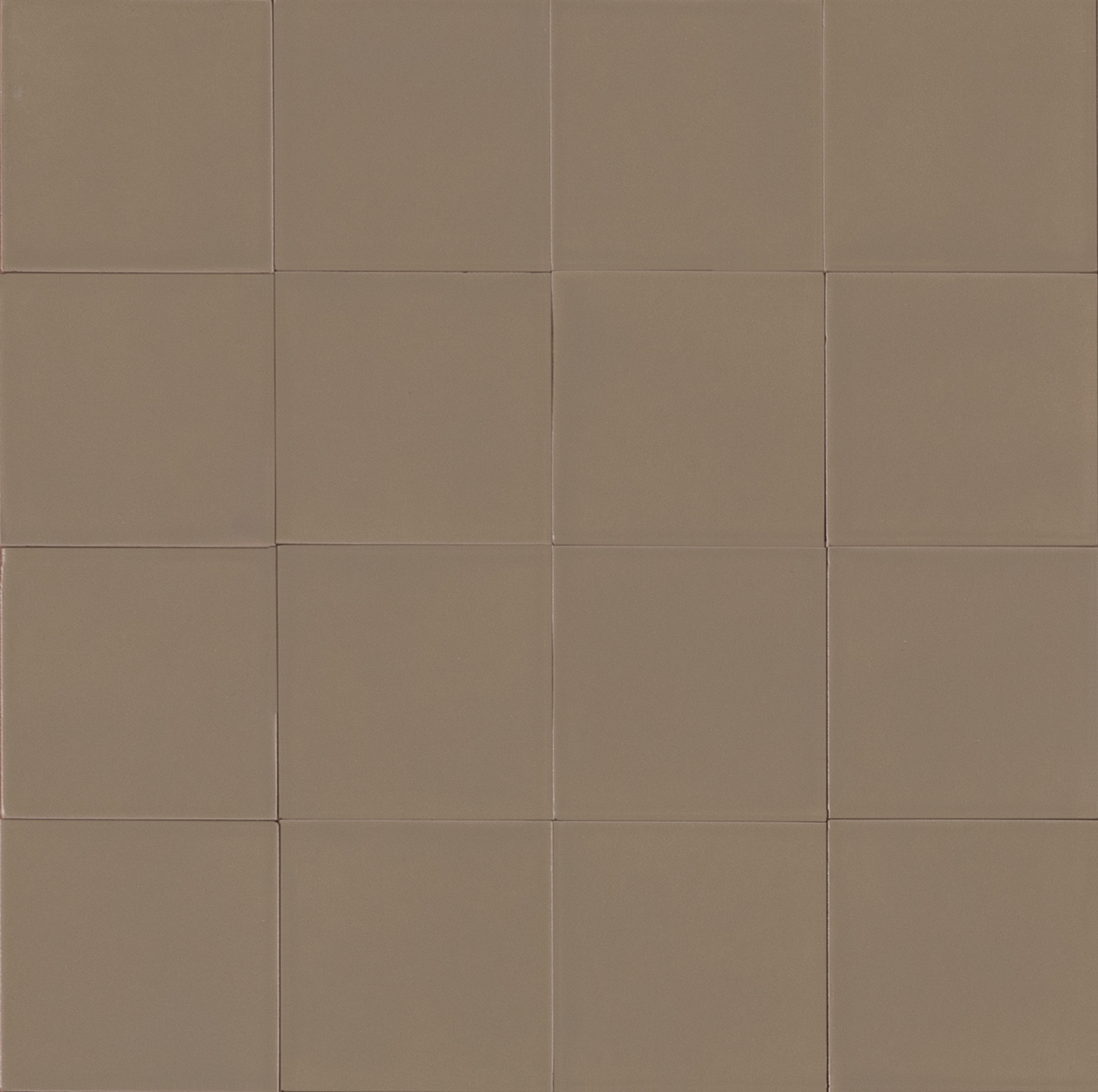
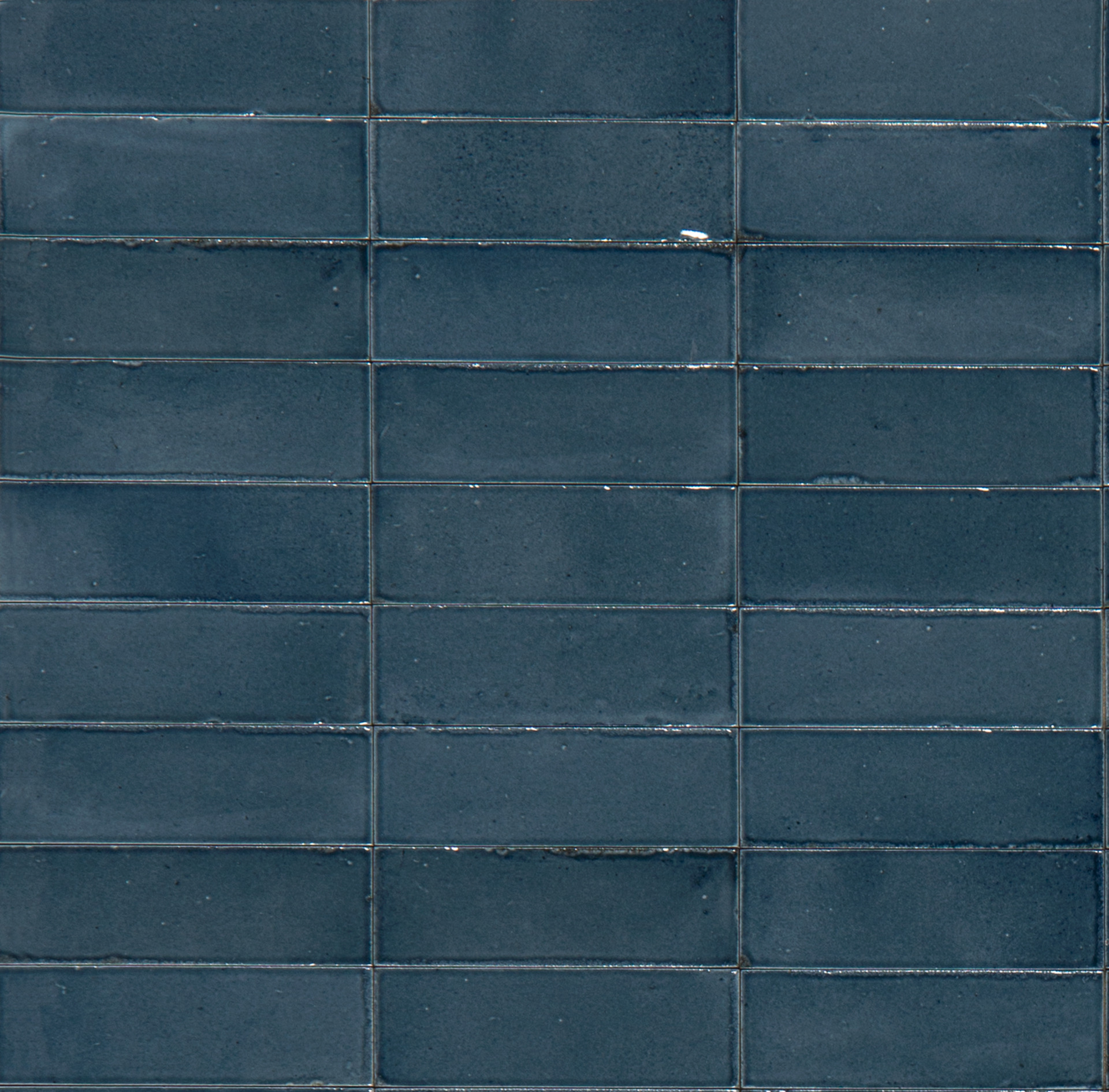
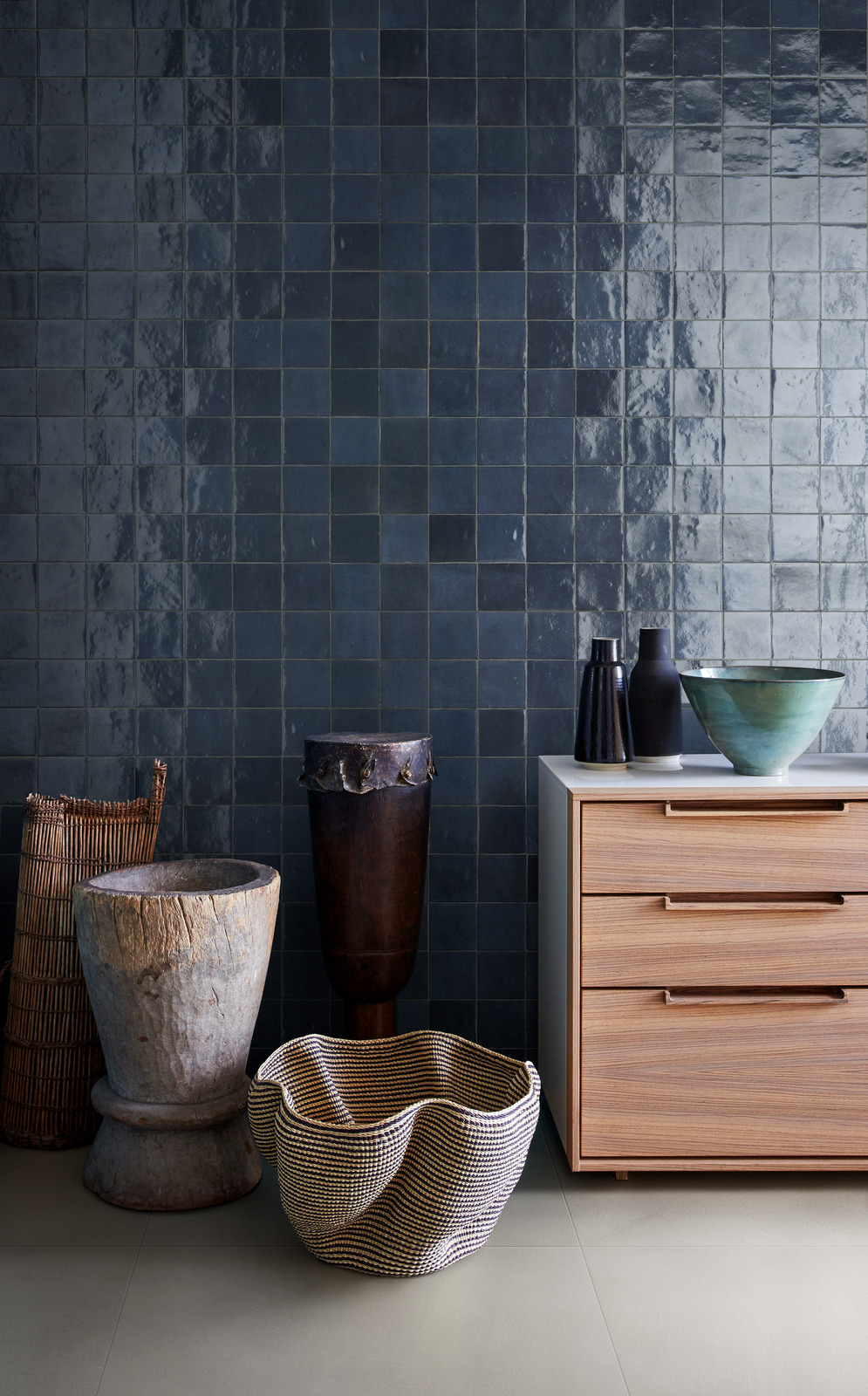
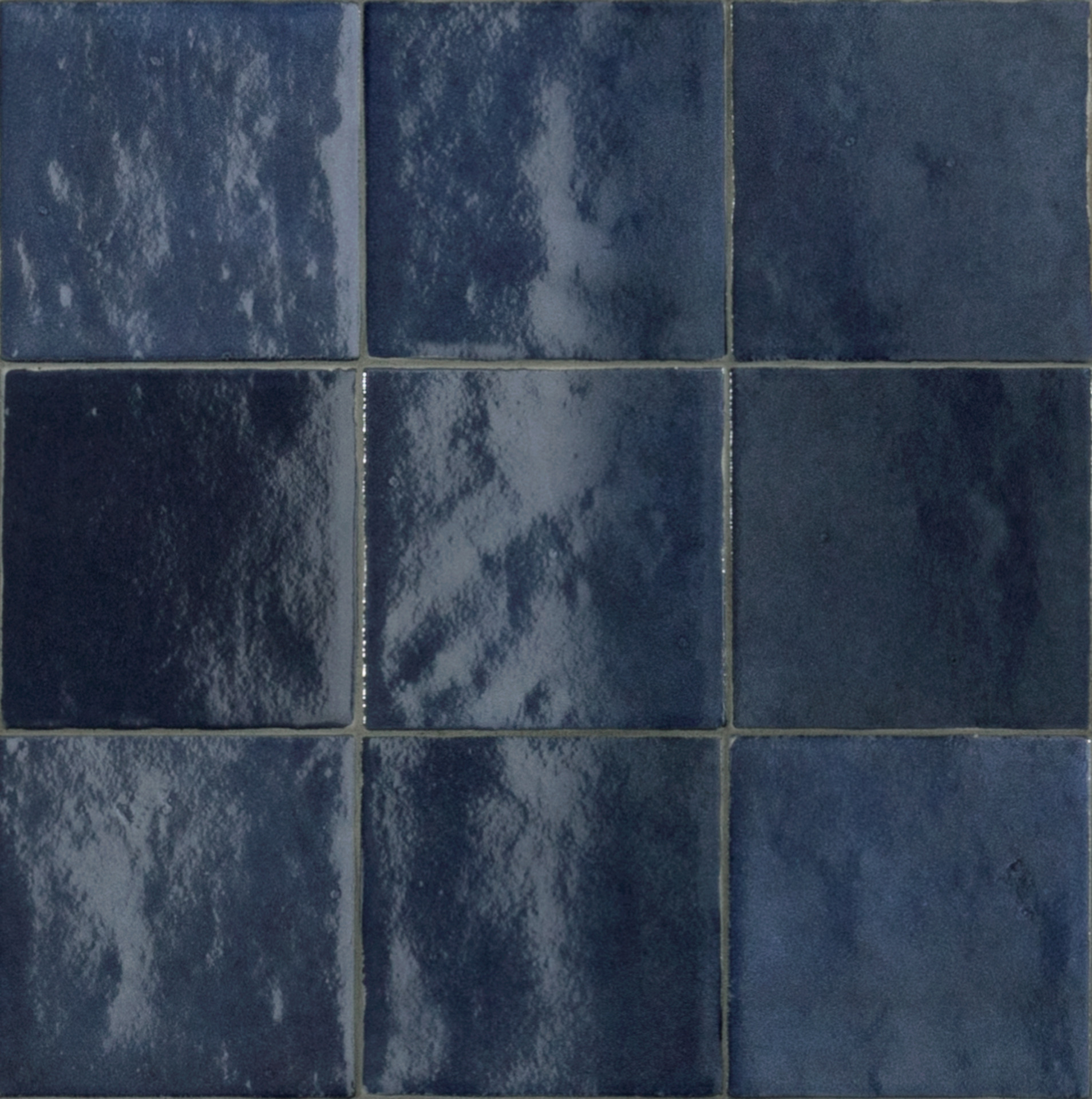
Among the Marazzi collections, Lume offers glossy porcelain stoneware tiles with a majolica effect, available in 10x10 and 6x24 formats. The rich color palette allows for coordinated coverings, while the reflections and surface variations add depth even to the simplest compositions.
For those who prefer a more tactile aesthetic, Cementum reinterprets concrete through surfaces characterized by inclusions and chromatic variations, enhanced by Body Plus technology. Alongside larger formats, the collection includes 21x18.2 cm hexagons, decors, and mosaics that allow the concrete effect to be echoed even on smaller areas of floor and wall coverings.
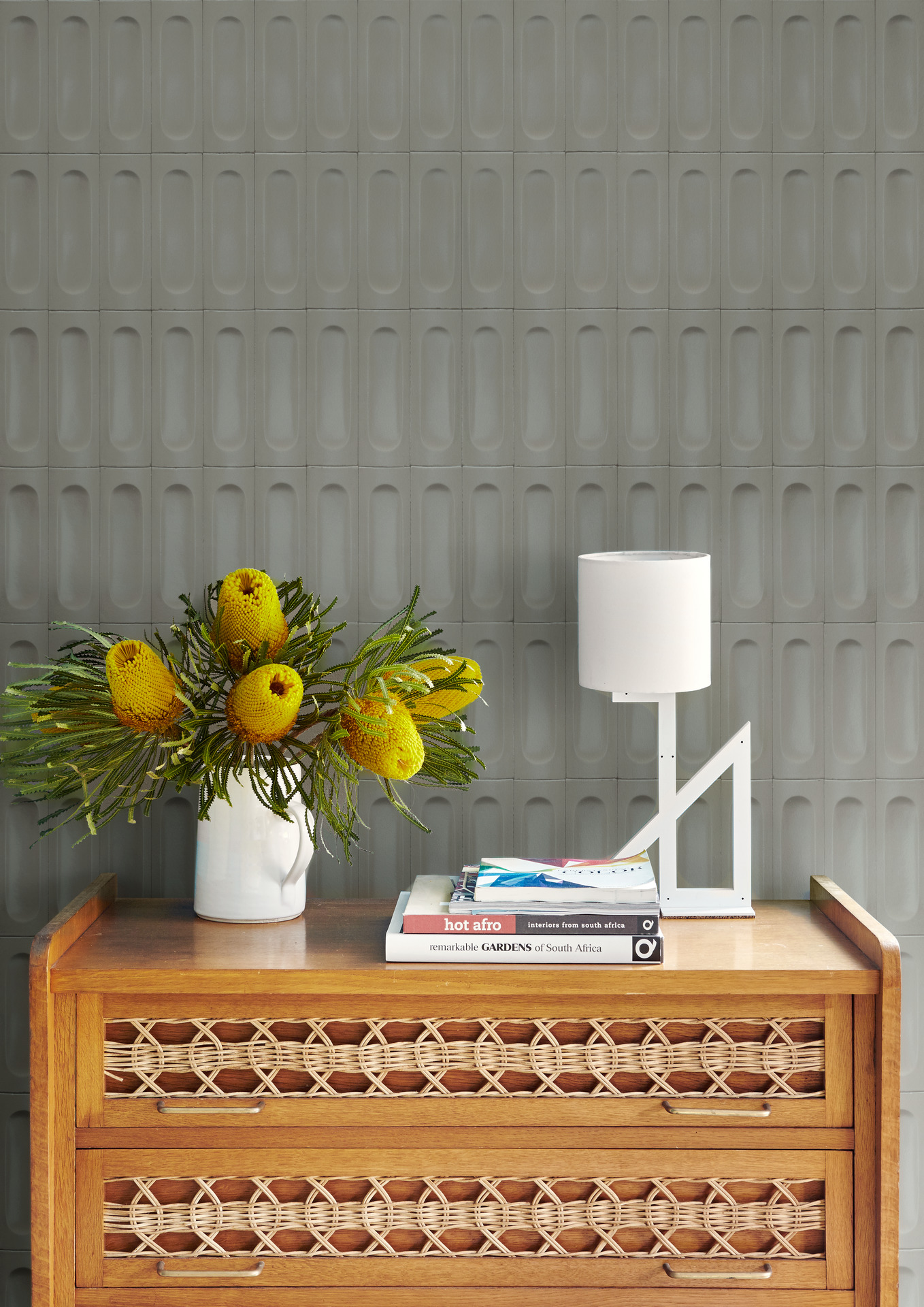
A more decorative character can be introduced through collections in which the small format becomes an integral part of the surface design. Terramater, for example, allows color, reflections, and the tactile quality of ceramic to stand out, while Confetto, Zellige and Rice create coverings animated by compact modules and surfaces with a handcrafted feel.
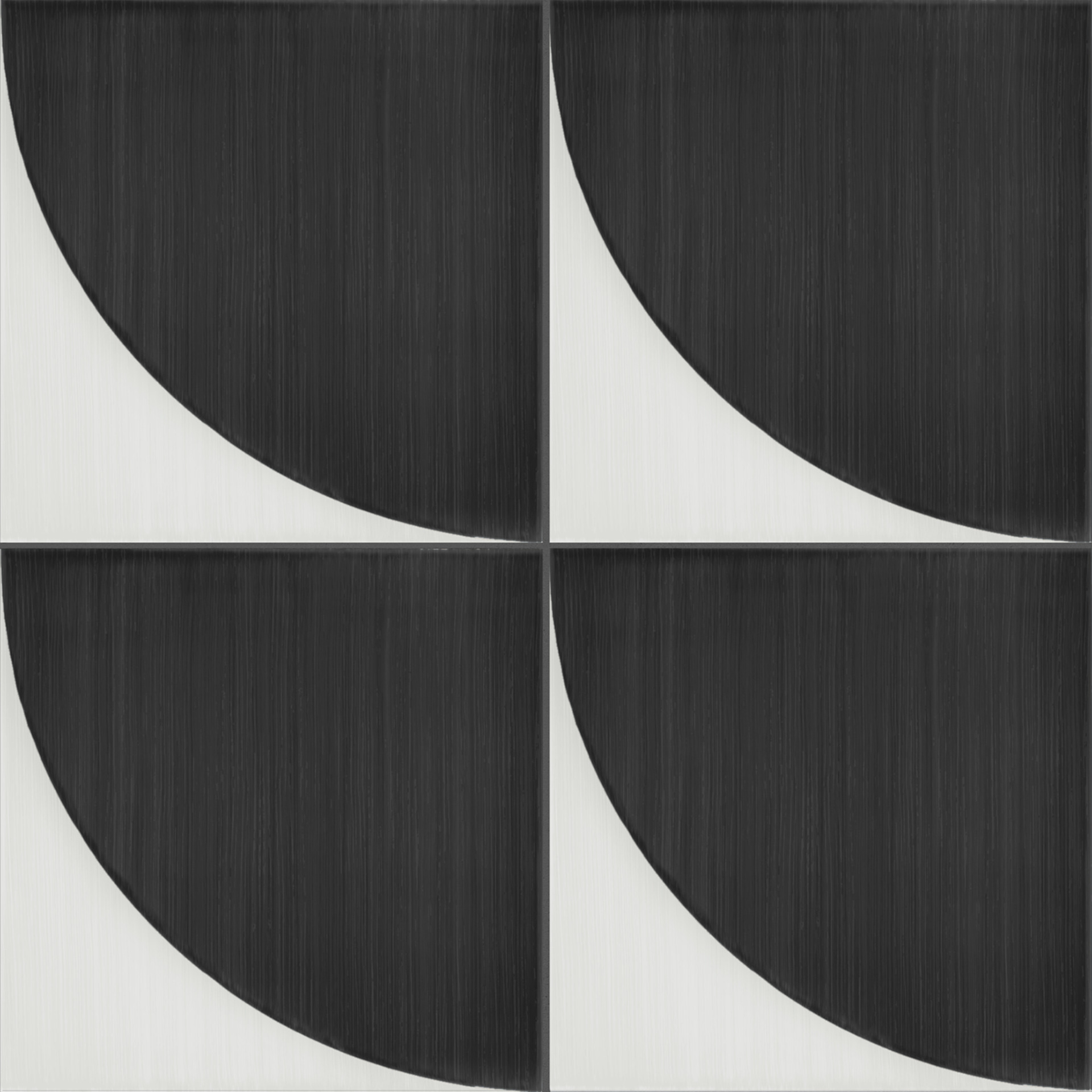
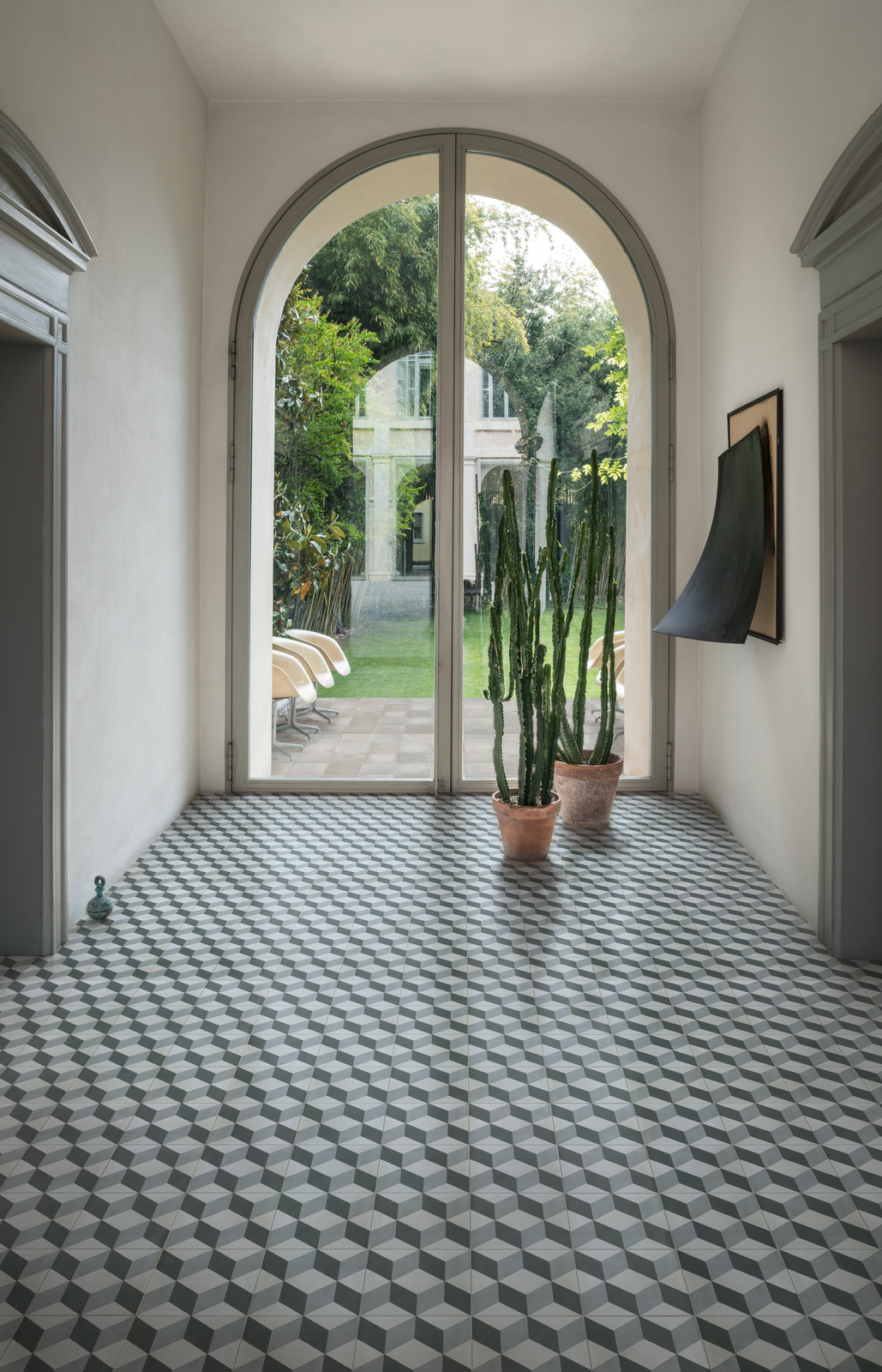
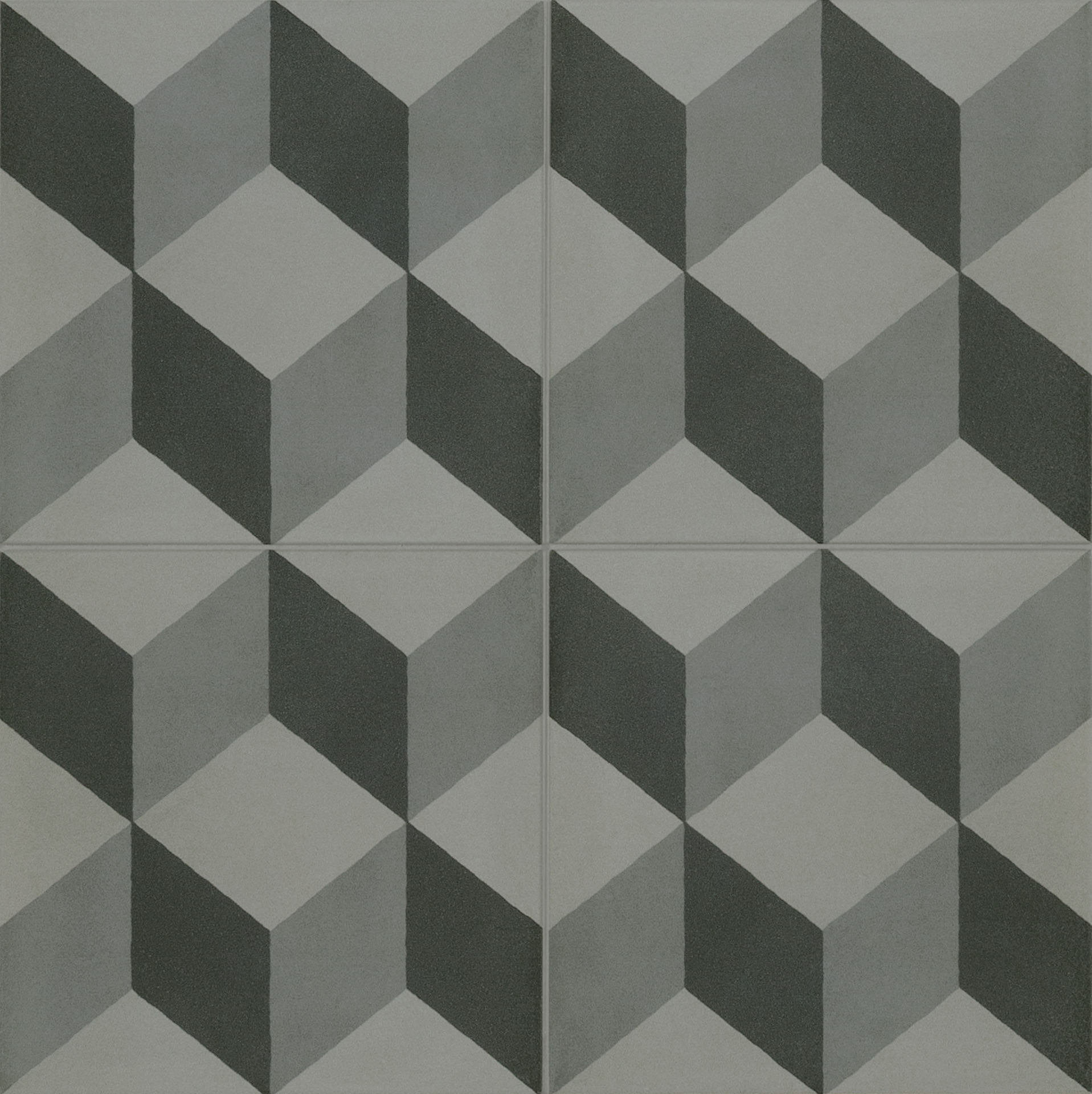
The small format can also take on a strong geometric component. ArtCraft combines modules and decors that characterize floors and walls, while for wood-effect collections Nobilis, Oltre and Vero , the Chevron format introduces a regular yet more dynamic pattern.
In a small bathroom, these solutions therefore allow the small format to be used not simply as a response to the proportions of the space, but as a true decorative tool to distinguish walls, niches, washbasin areas, or portions of floor.
The geometry of the tiles is one of the elements that most influences the perception of the wall covering, as it determines the direction of the grout lines and the rhythm of the surface.
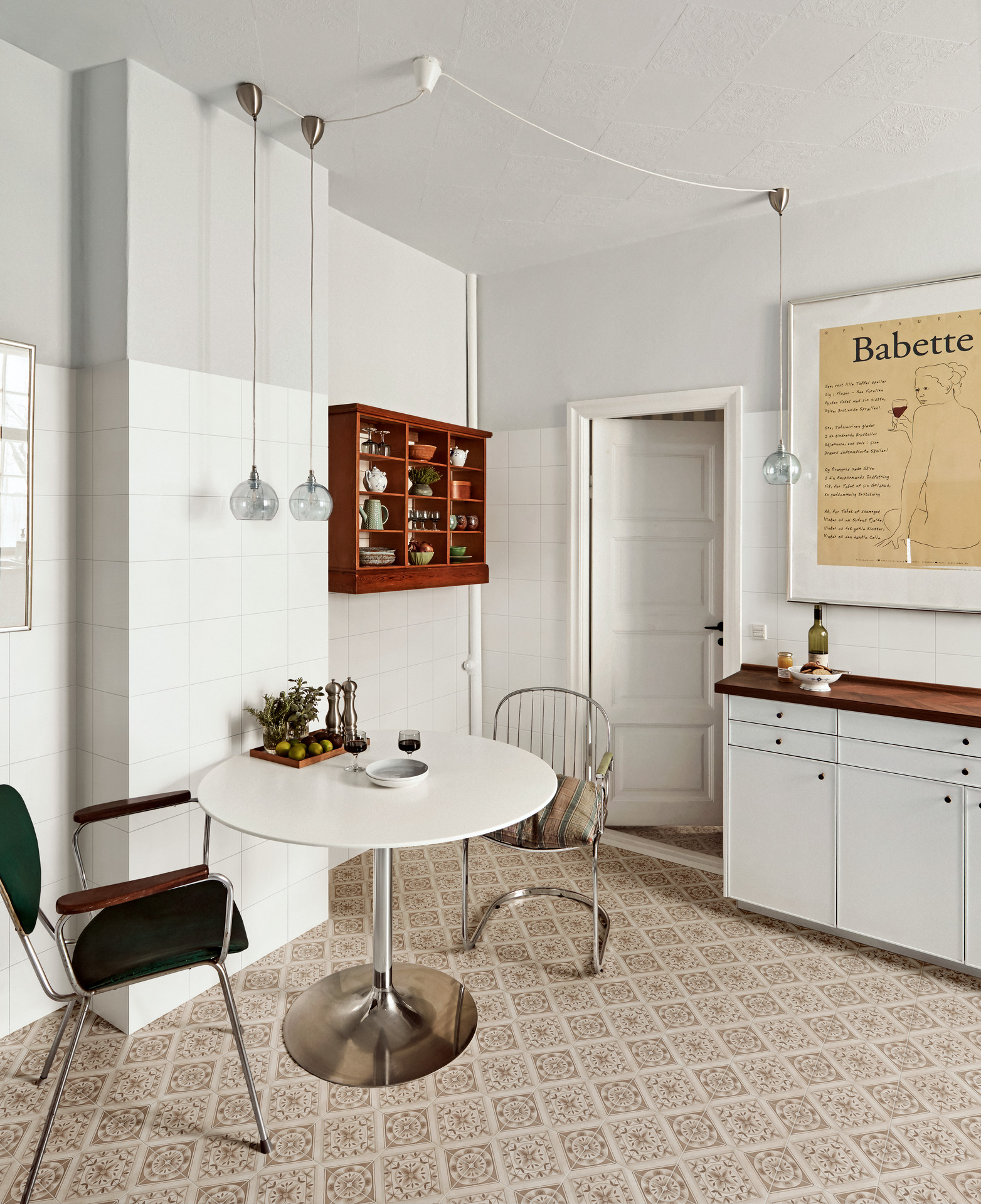
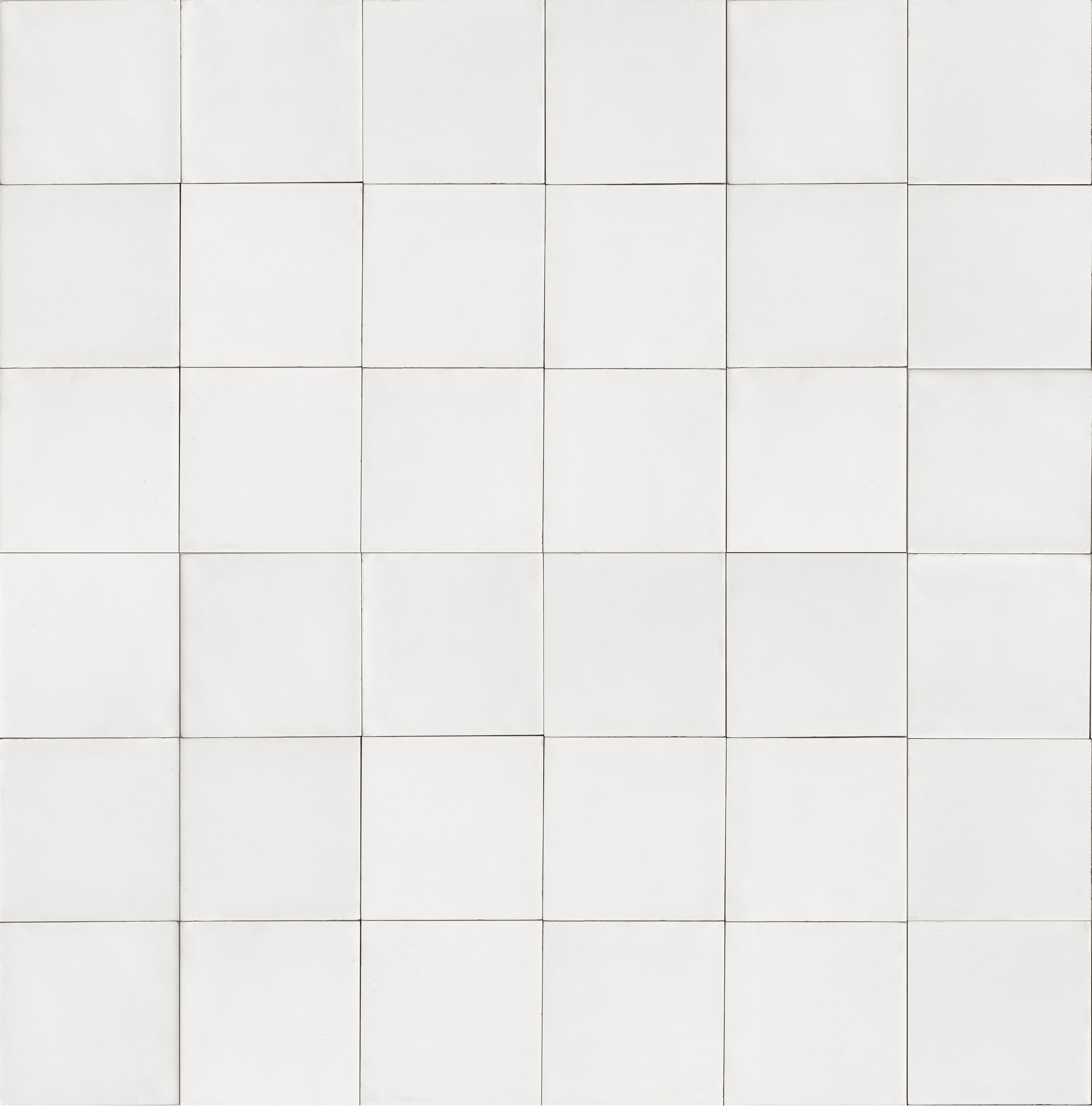
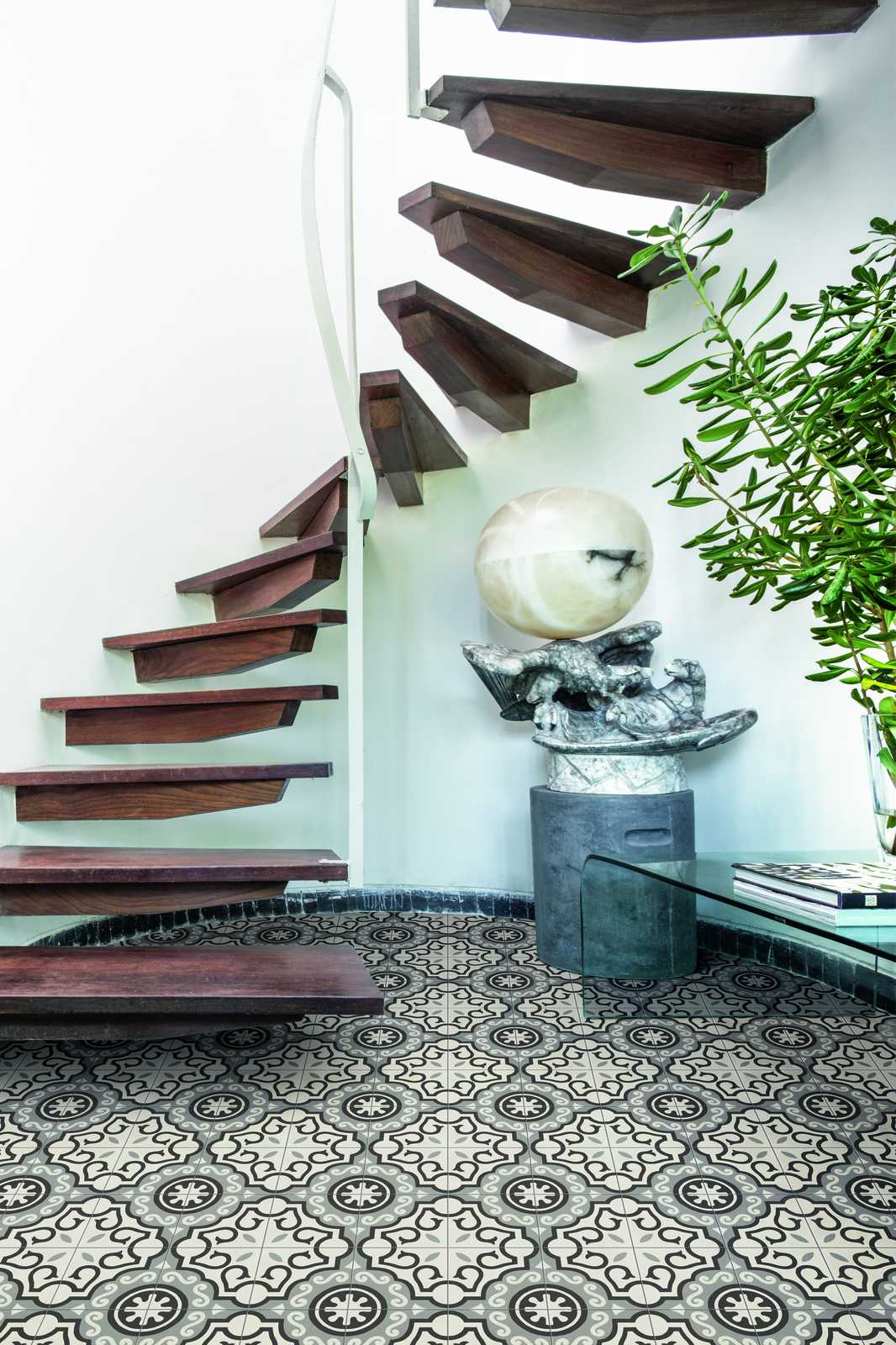
Square tiles introduce a regular pattern, particularly suitable for those seeking a balanced composition. Formats such as 15x15 cm and 20x20 cm, often associated with decorative encaustic tiles, allow for the creation of orderly grids or more complex patterns by alternating colors and designs.
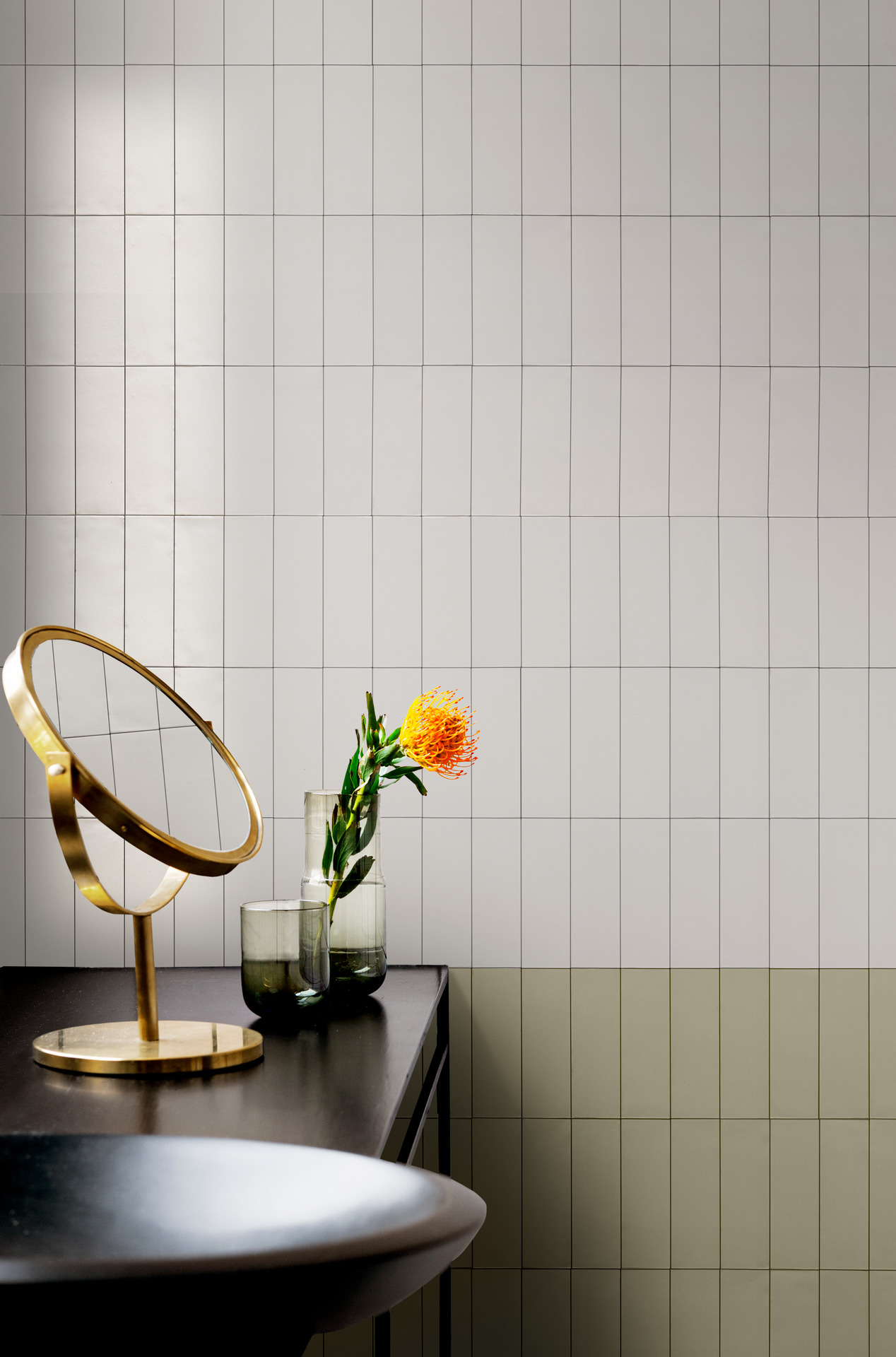
Rectangular formats, such as elongated bricks, offer greater freedom in laying direction. A horizontal layout emphasizes the width of the wall, while a vertical arrangement can visually accompany the height.
There are also alternative geometric solutions, such as hexagonal tiles. Hexagons, even in sizes close to 21x18.2 cm, create surfaces characterized by a recognizable pattern, particularly interesting for decorative floors, niches, and accent walls.
Read also: Square or rectangular tiles: how to choose the perfect format
The small format category includes tiles of different sizes, from square shapes to elongated bricks, up to hexagonal modules and mosaics.
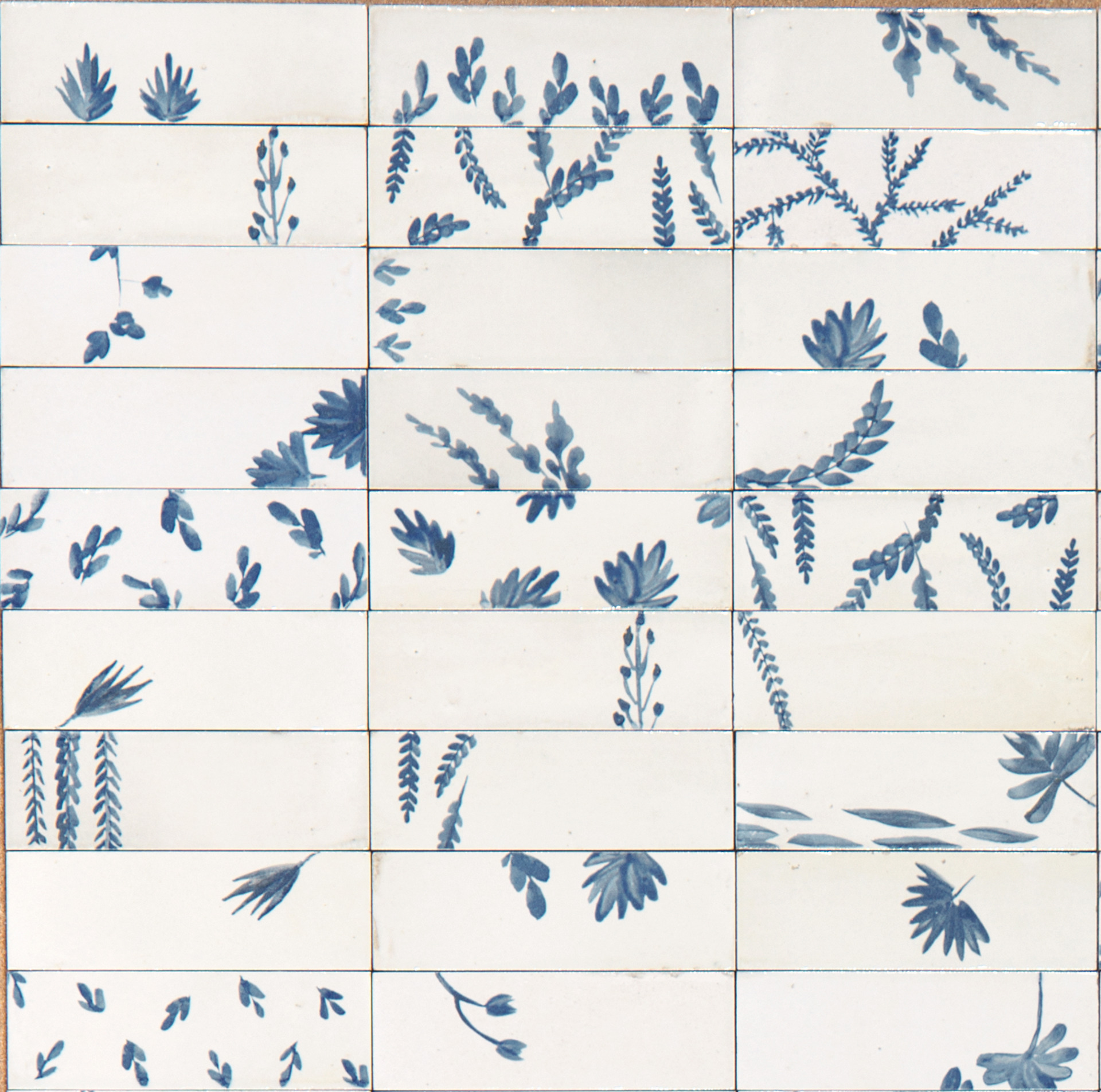
The Confetto collection, part of the Crogiolo line, interprets this aesthetic through porcelain stoneware tiles with delicate tones and a semi-matte finish; a brighter character distinguishes Luz, inspired by the glazed bricks of Portuguese tradition.
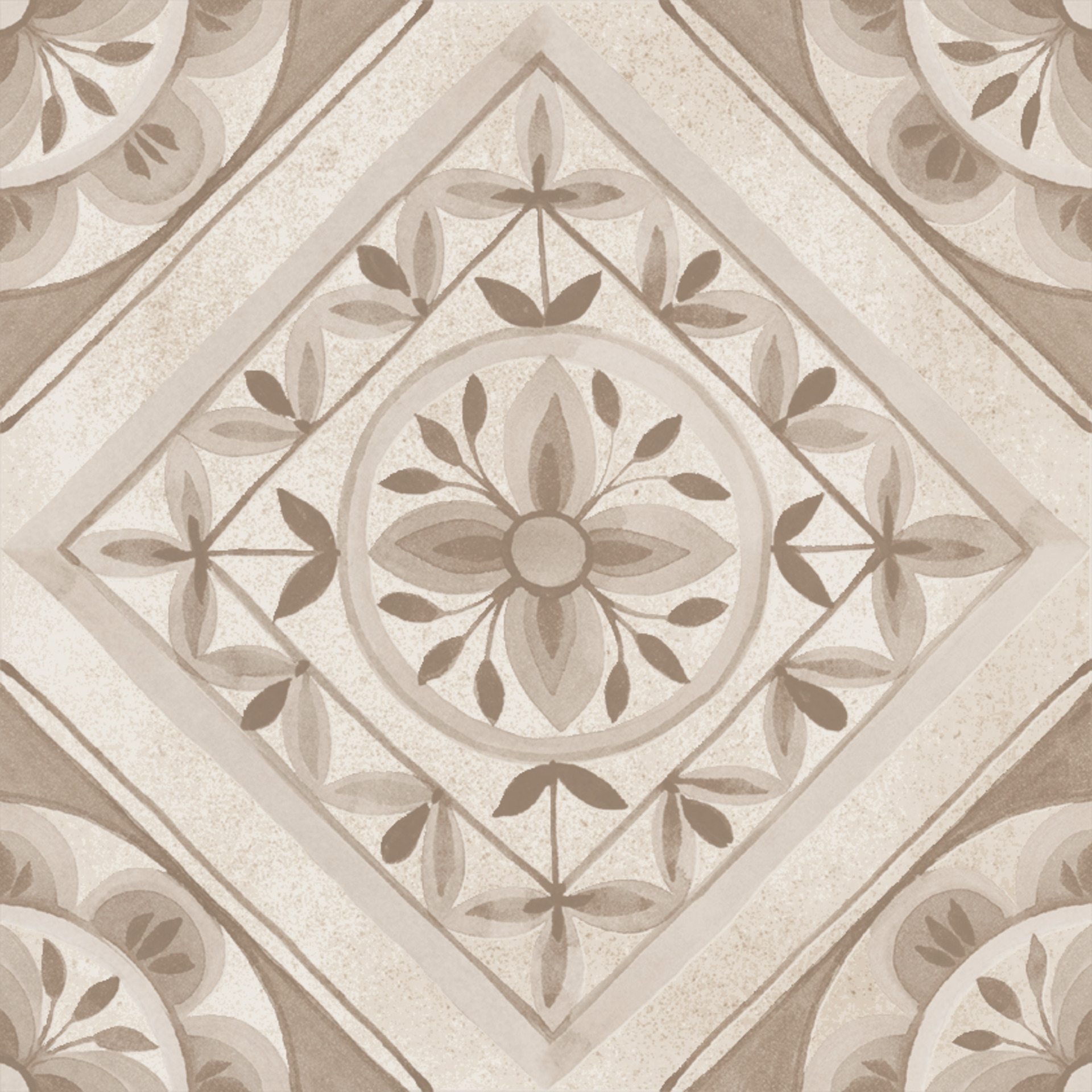
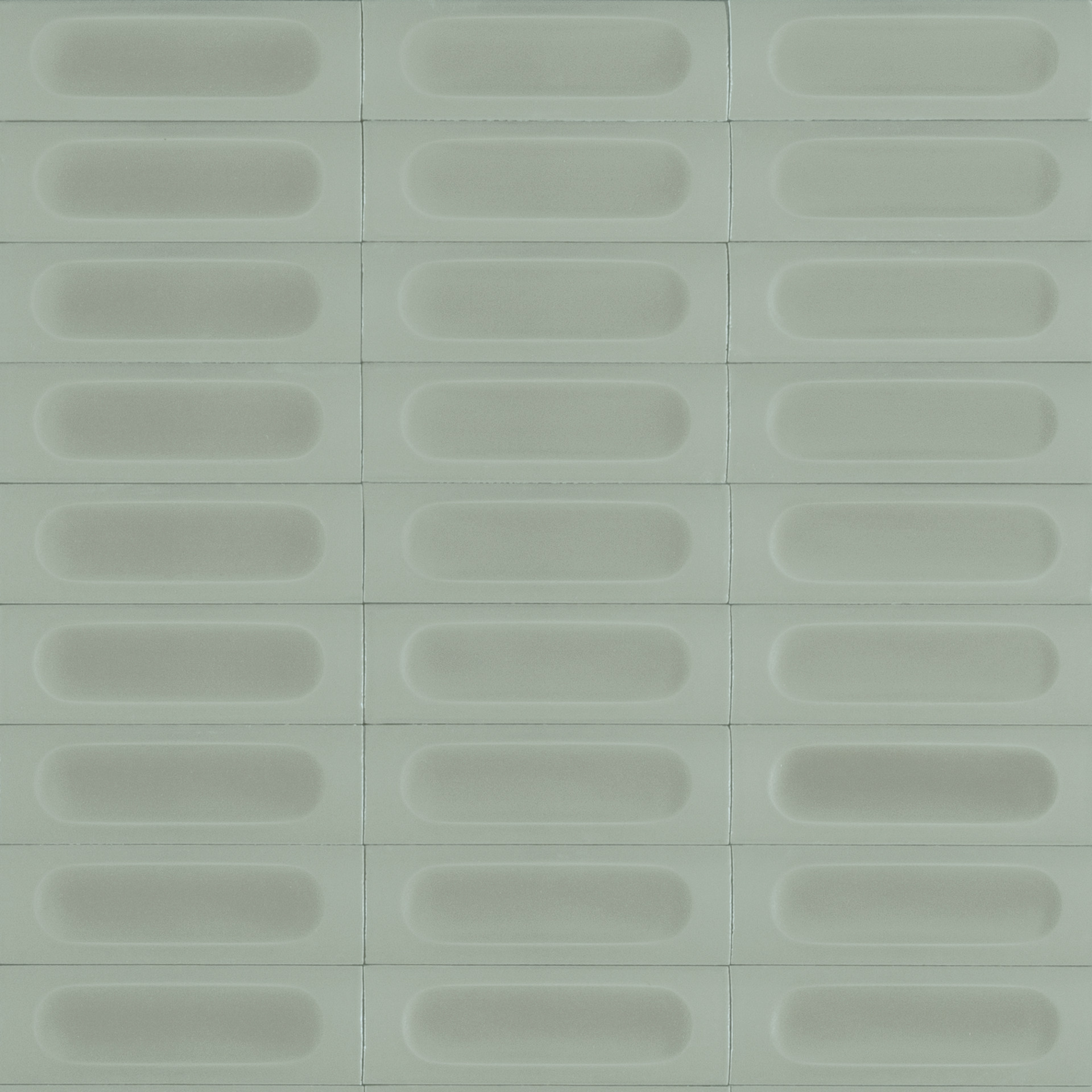
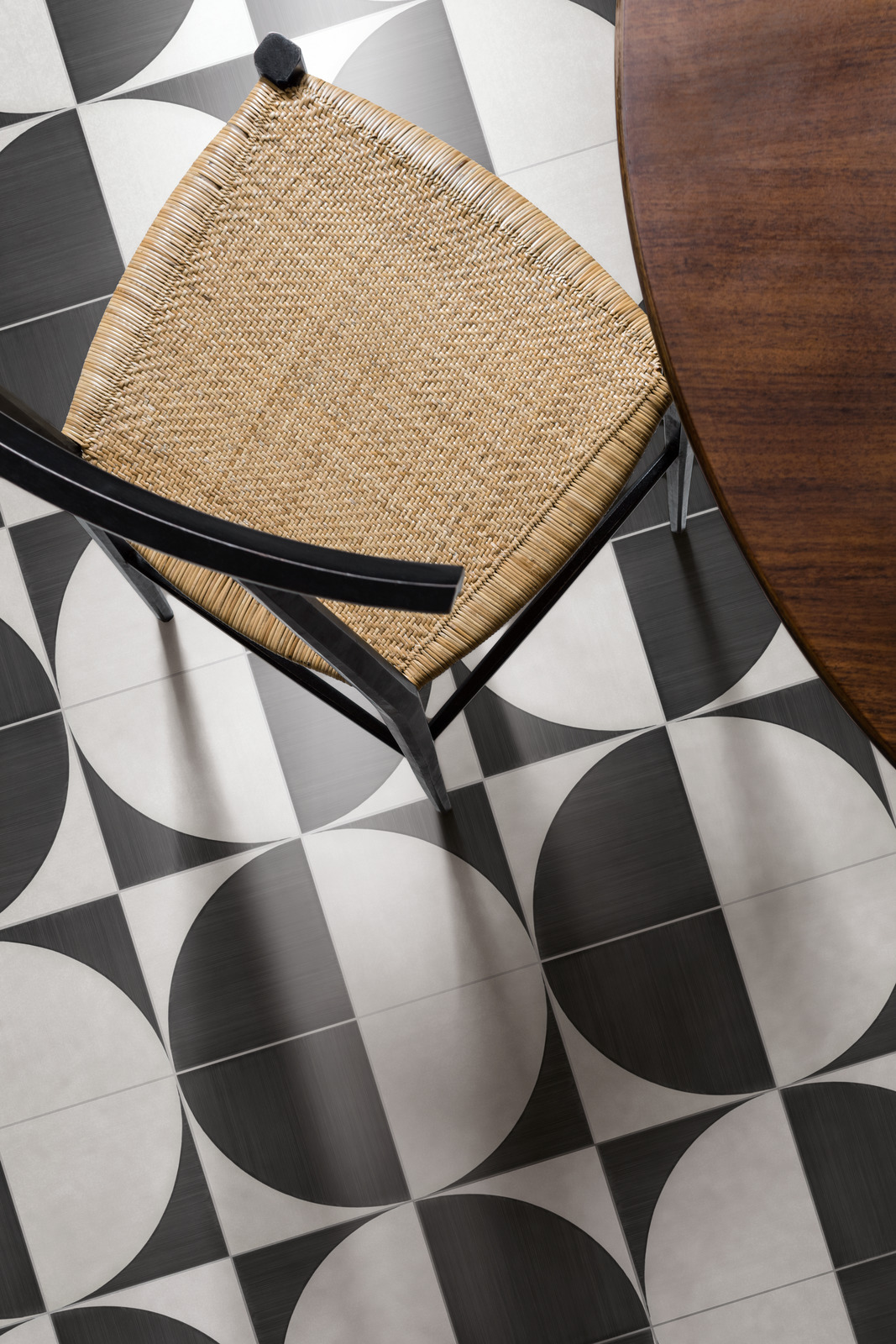
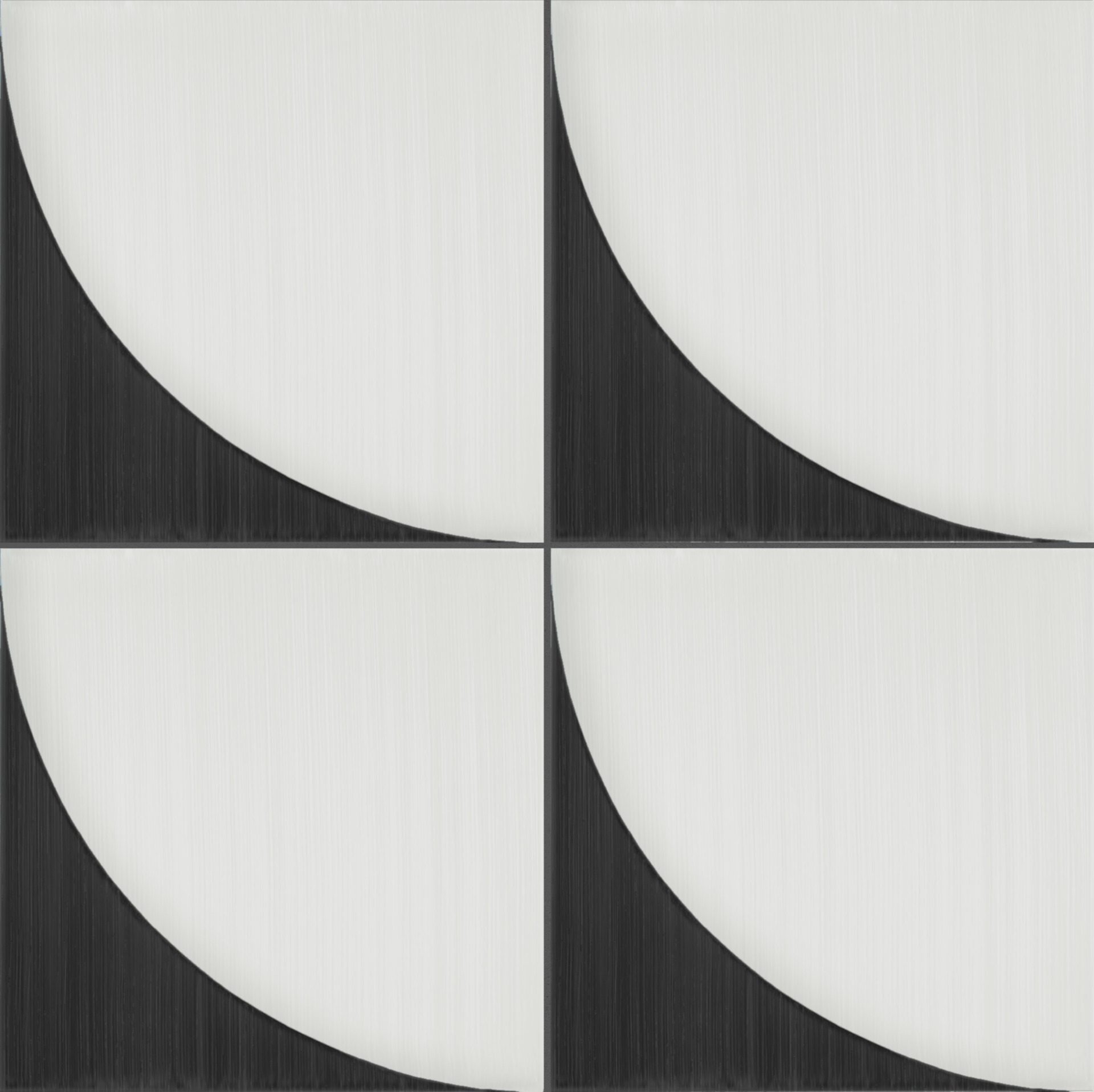
For those seeking a geometric language inspired by tradition, ArtCraft offers 20x20, 21x18.2 and 5.3x30 cm formats, with natural and semi-matte surfaces, graphic decors, and three-dimensional textures. The combination of solid color elements and decorative patterns makes it possible to create floors and walls where the design arises from the alternation of modules.
Another option is represented by ceramic mosaics, which use small-sized tesserae, often assembled on mesh supports to facilitate installation.
Tile size and thickness are distinct characteristics: a small format does not necessarily correspond to thin stoneware. Even among products of similar size, there can be differences in thickness, related to the type of material, surface processing, and intended use.
The small format introduces a denser pattern, but the perception of space also depends on other aspects (for example: brightness, color, installation pattern, ...).
However, it is often large formats that give greater spaciousness to the room.
Porcelain stoneware maintains its compactness and low water absorption, making regular cleaning easy. For grout lines, it is important to choose materials suitable for the intended use and follow the manufacturer's instructions for maintenance.
Read also: How to clean porcelain stoneware and How to clean tile grout
Yes, small format is also suitable for shower coverings, where it allows you to enhance walls, niches, and details through different geometries and textures. To identify the most suitable solution, it is advisable to consult with a designer and check the characteristics of the chosen collection.
Combining small tiles and large formats is a design solution that allows surfaces to be differentiated without necessarily changing color or material.
To achieve a harmonious result, it is important to study the alignment of the grout lines and the relationship between the sizes, defining the combination together with a designer.
