




















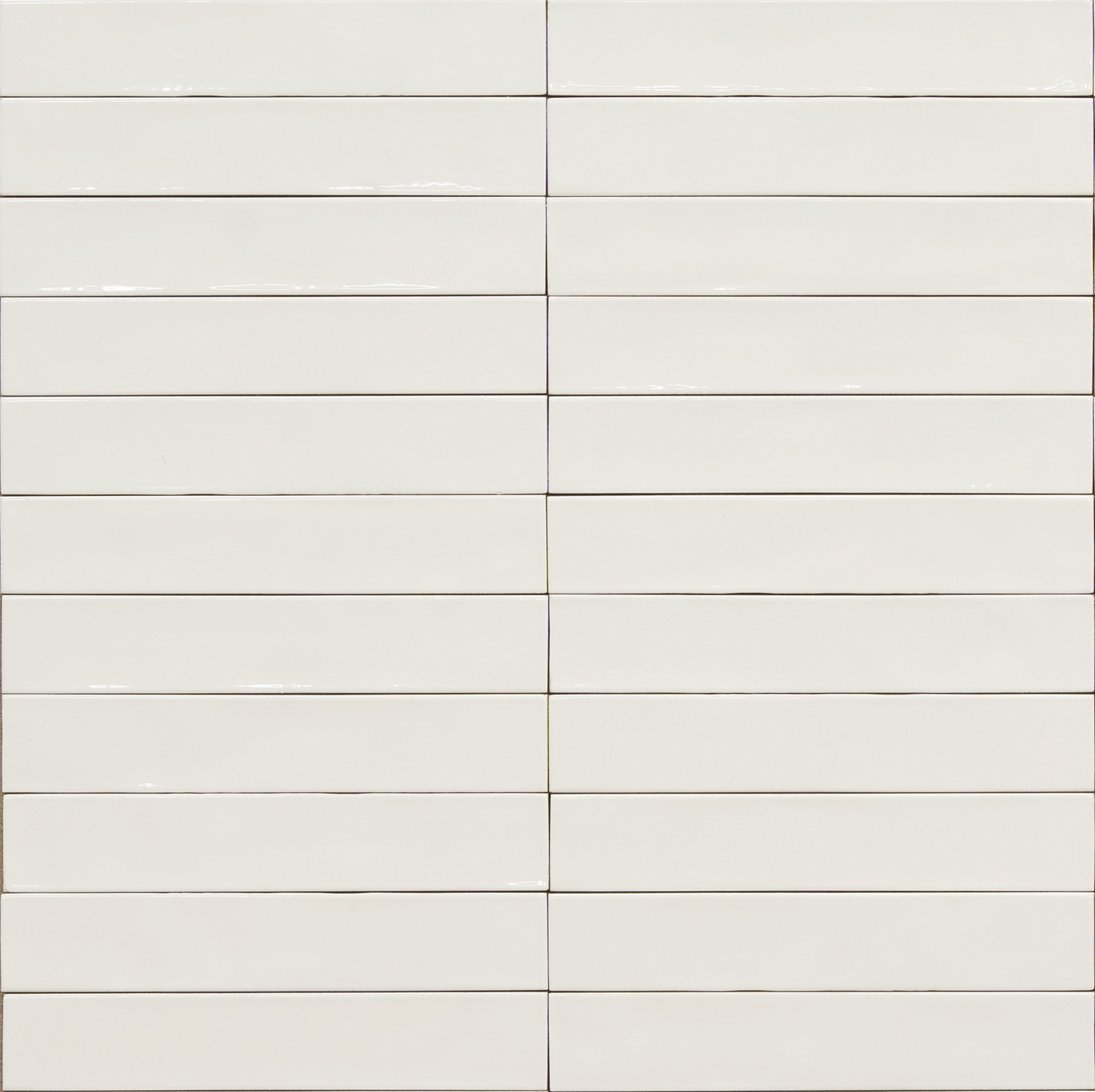
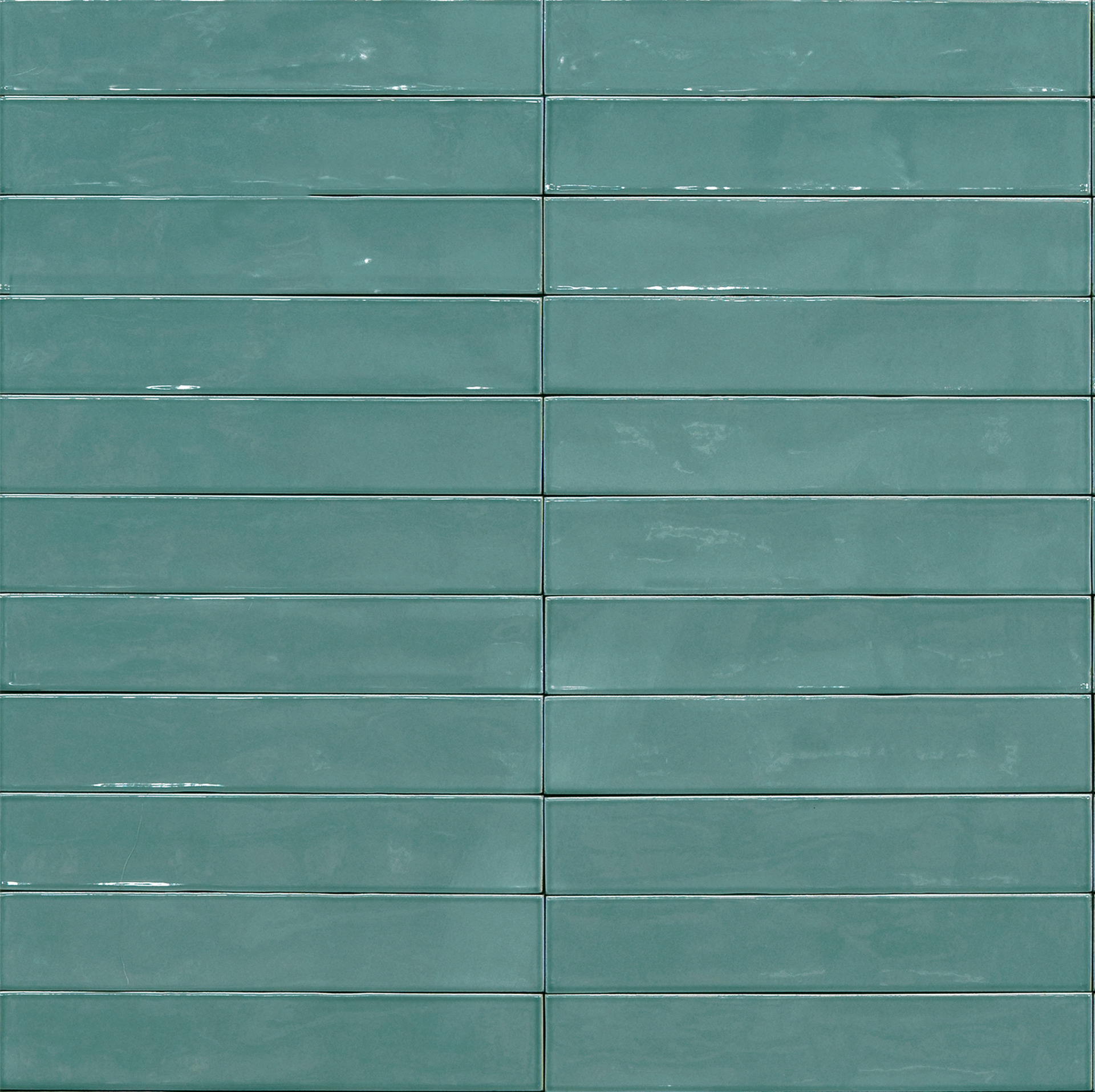
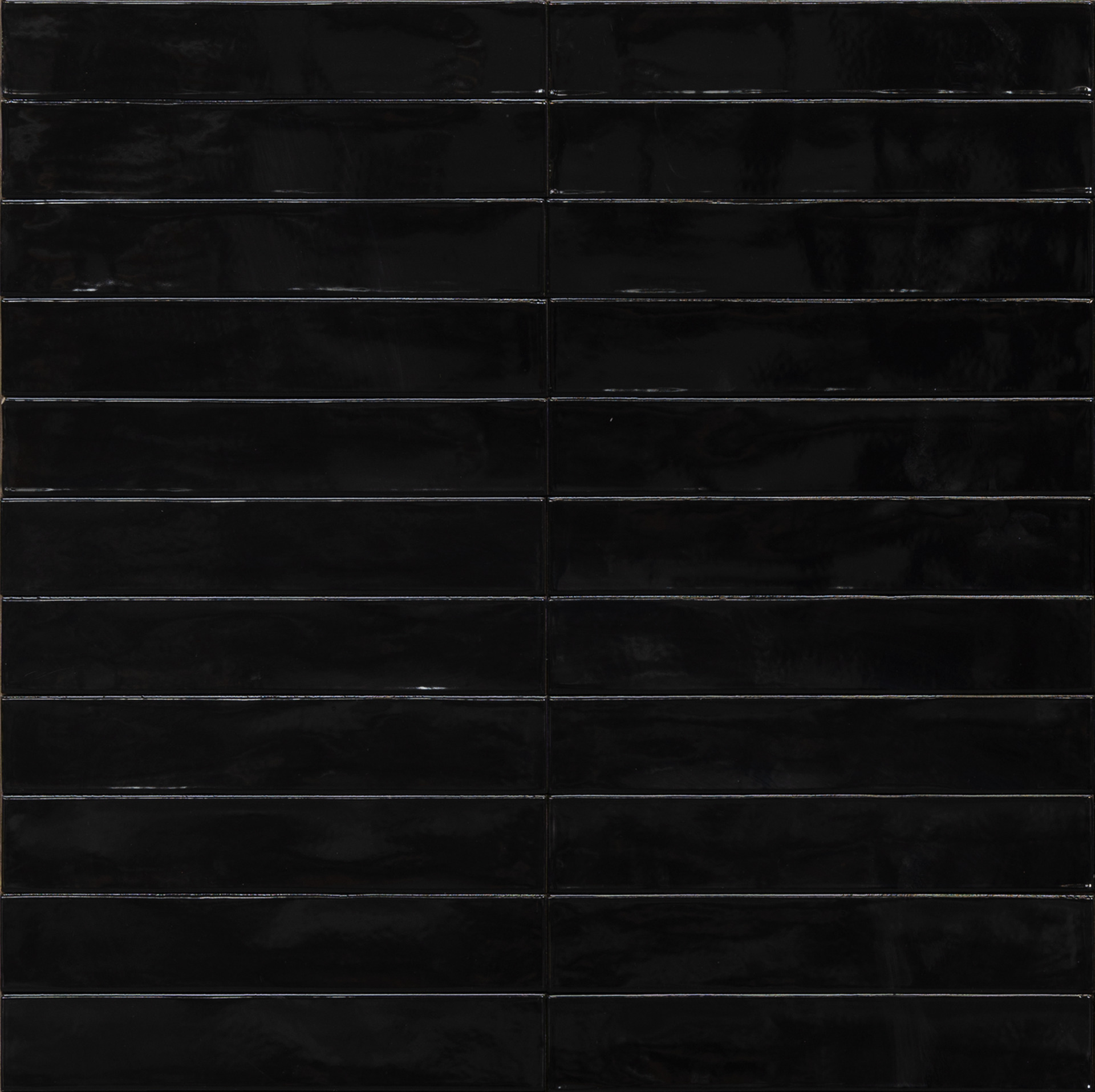

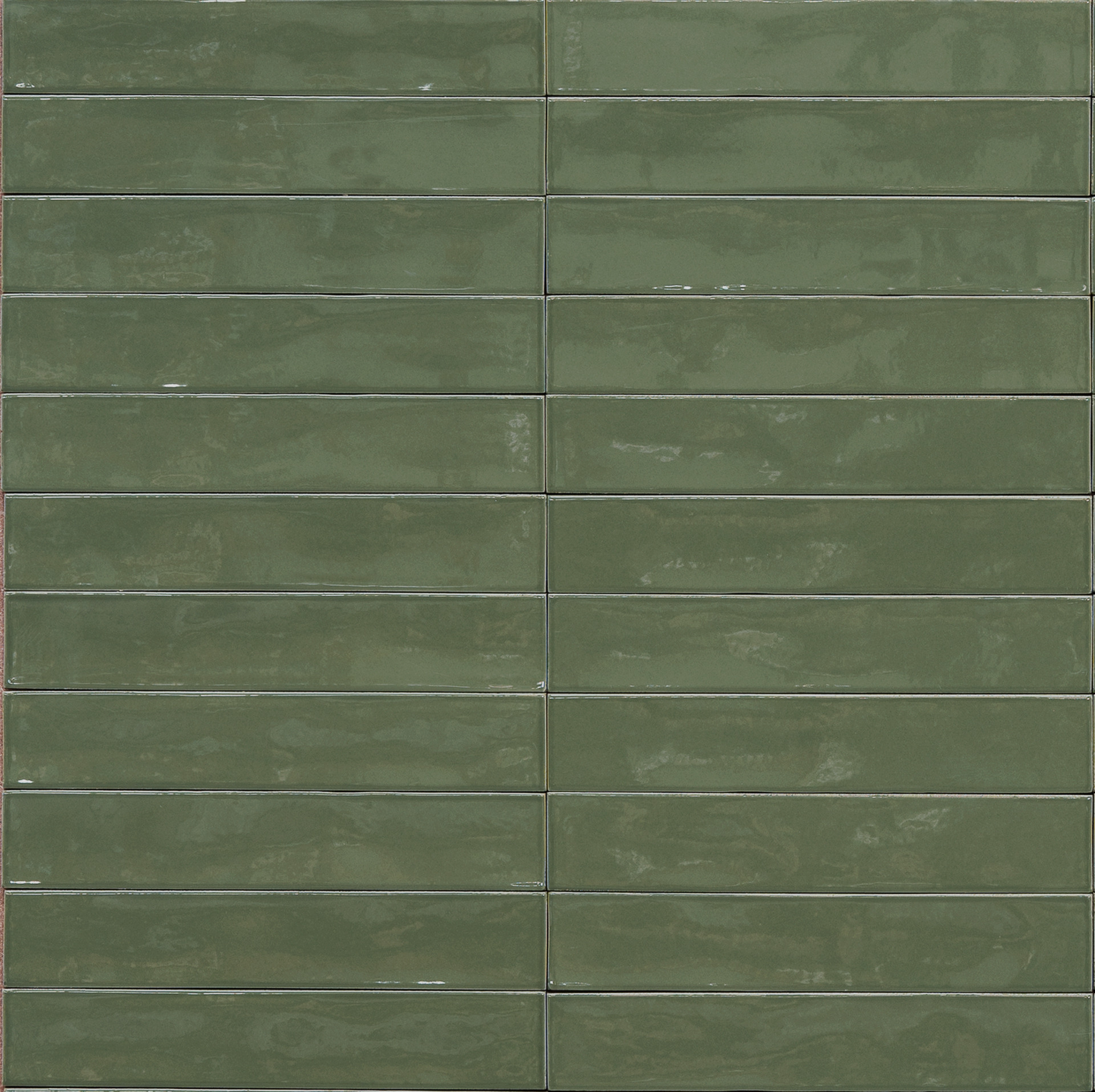

Zellige
- Colors 12
- Mosaics 3
- Surfaces 1
- Sizes 1



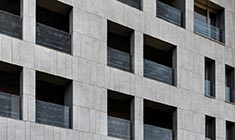 Ventilated facades
Ventilated walls's functionality and benefits
 Raised Floors
Functuality and benefits





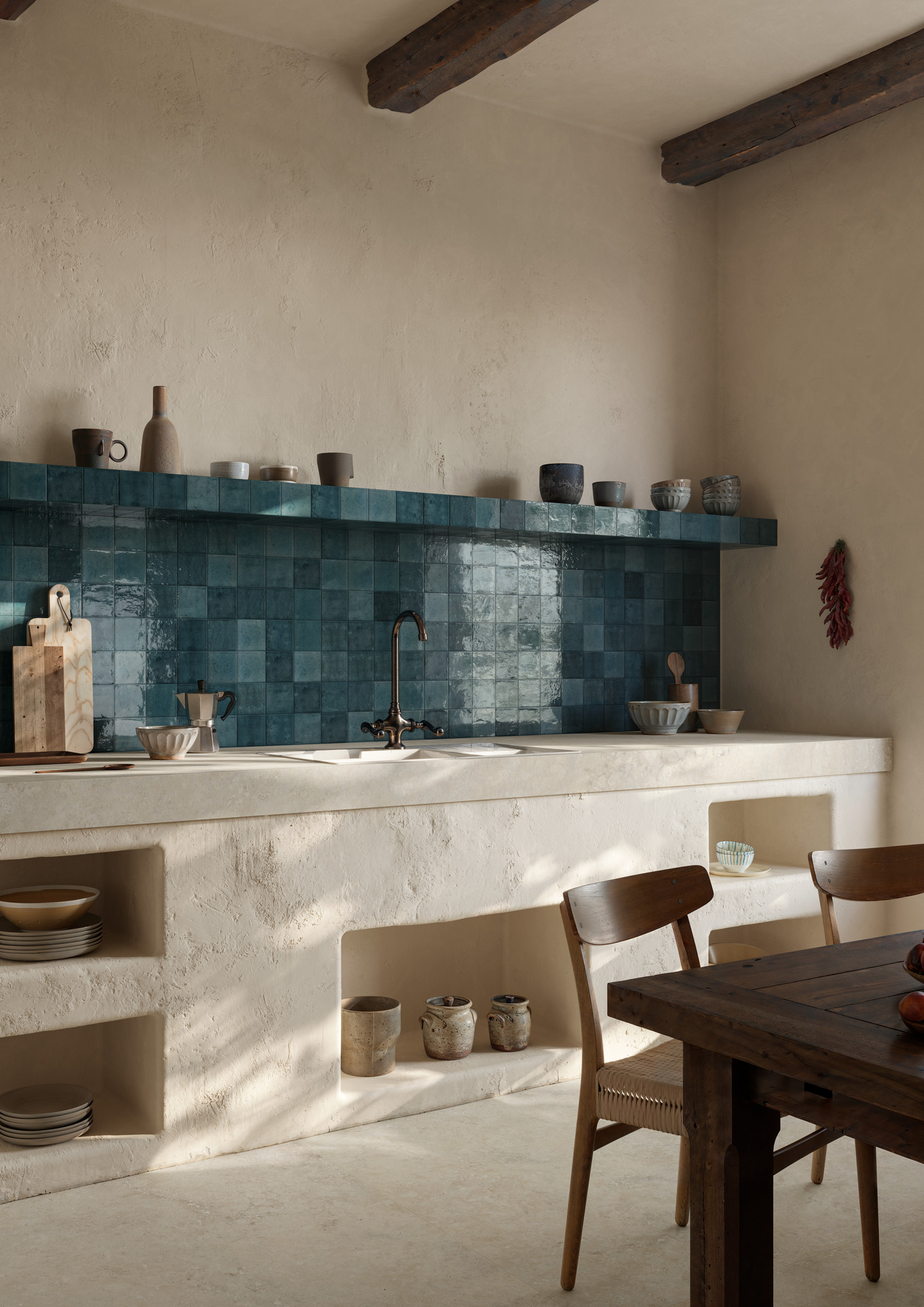
Solid color tiles define the space through color: Marazzi offers collections in ceramic and porcelain stoneware for floors and wall coverings, available in a wide range of shades, finishes, and sizes.


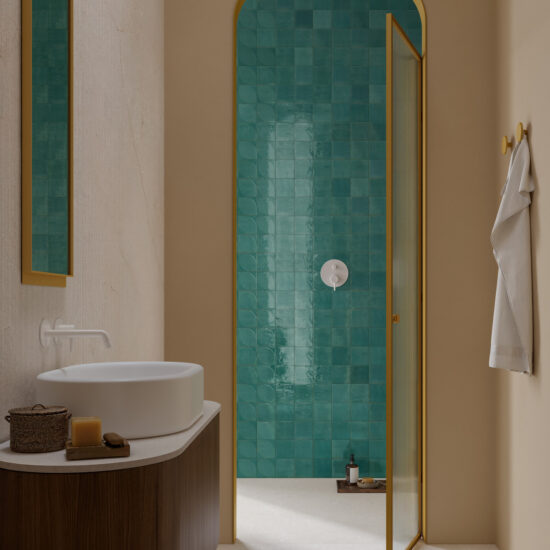
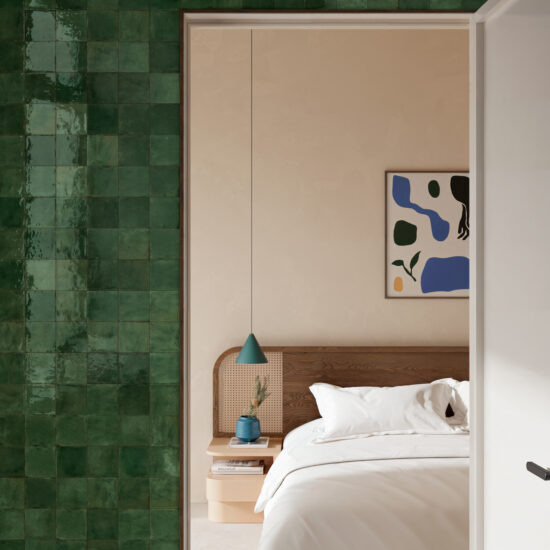
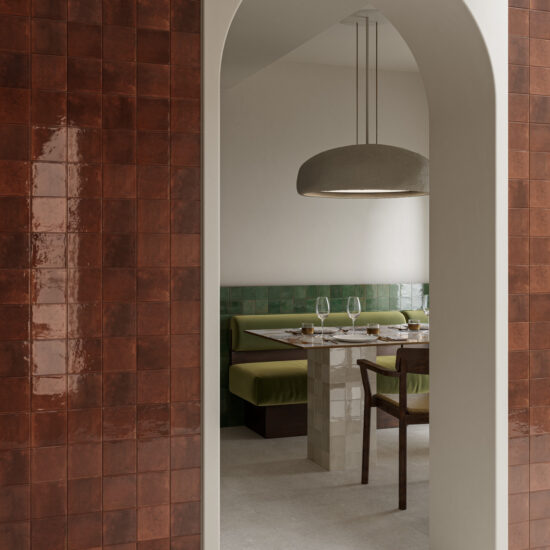
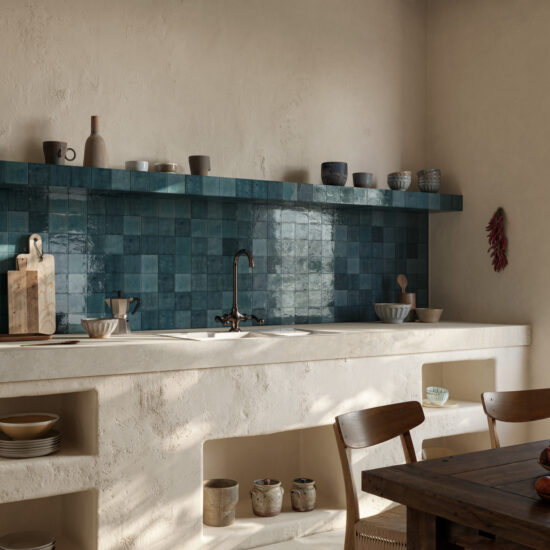
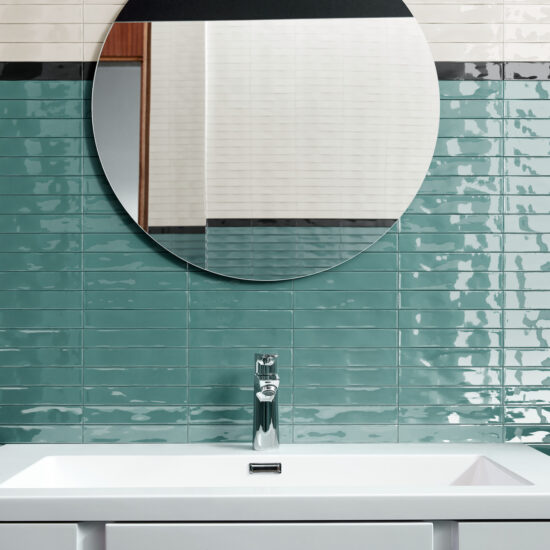


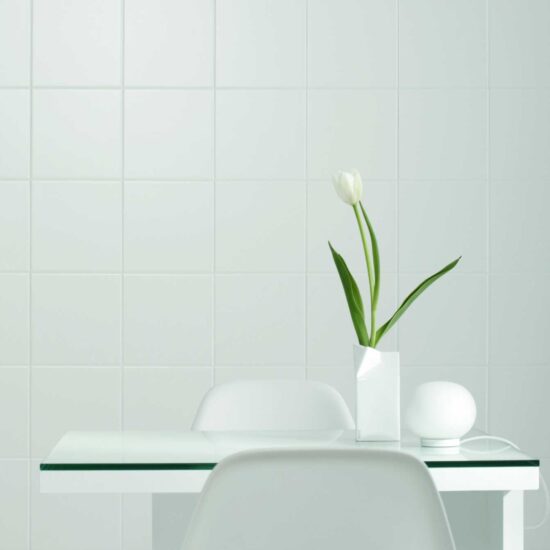


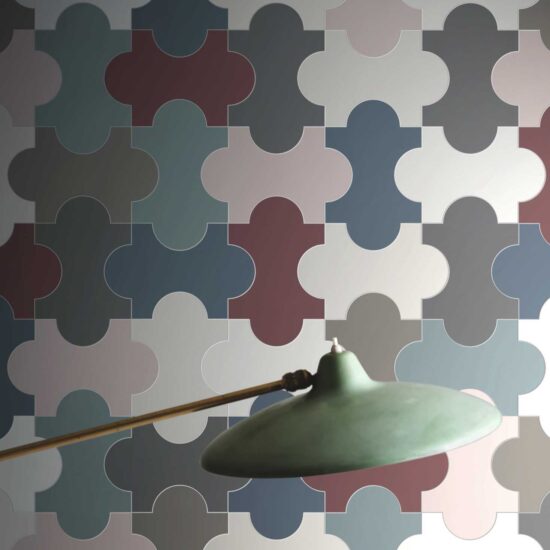

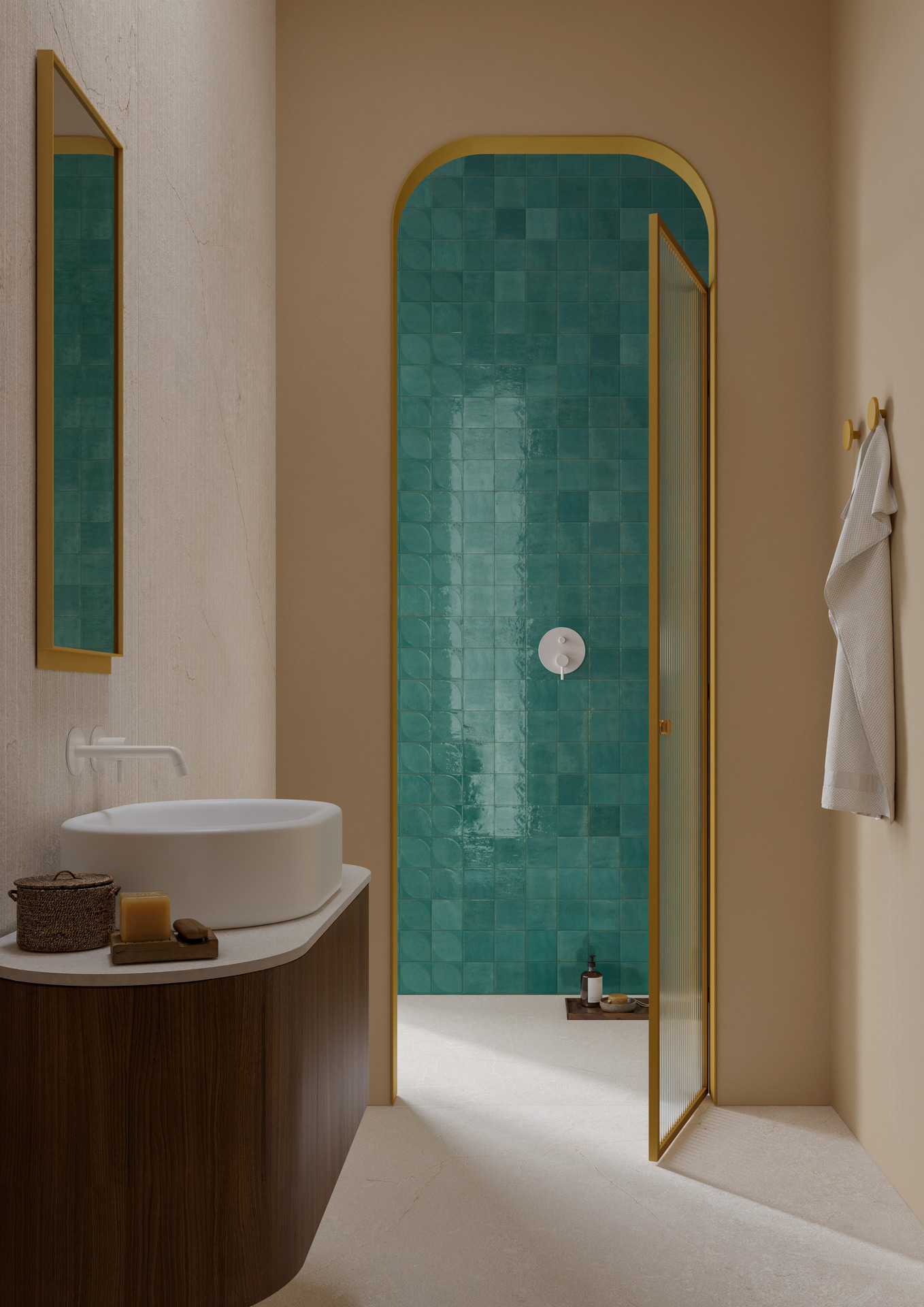
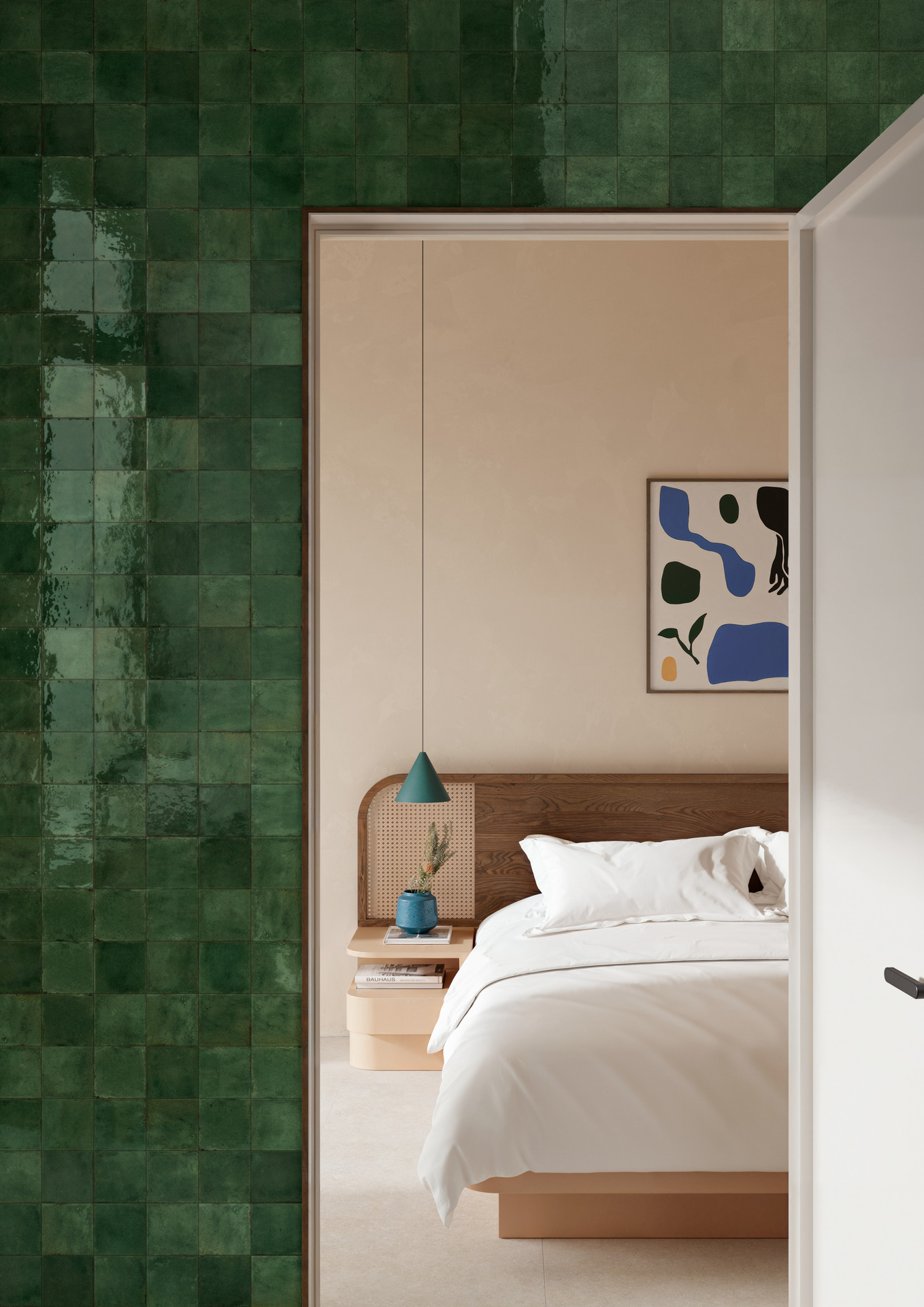
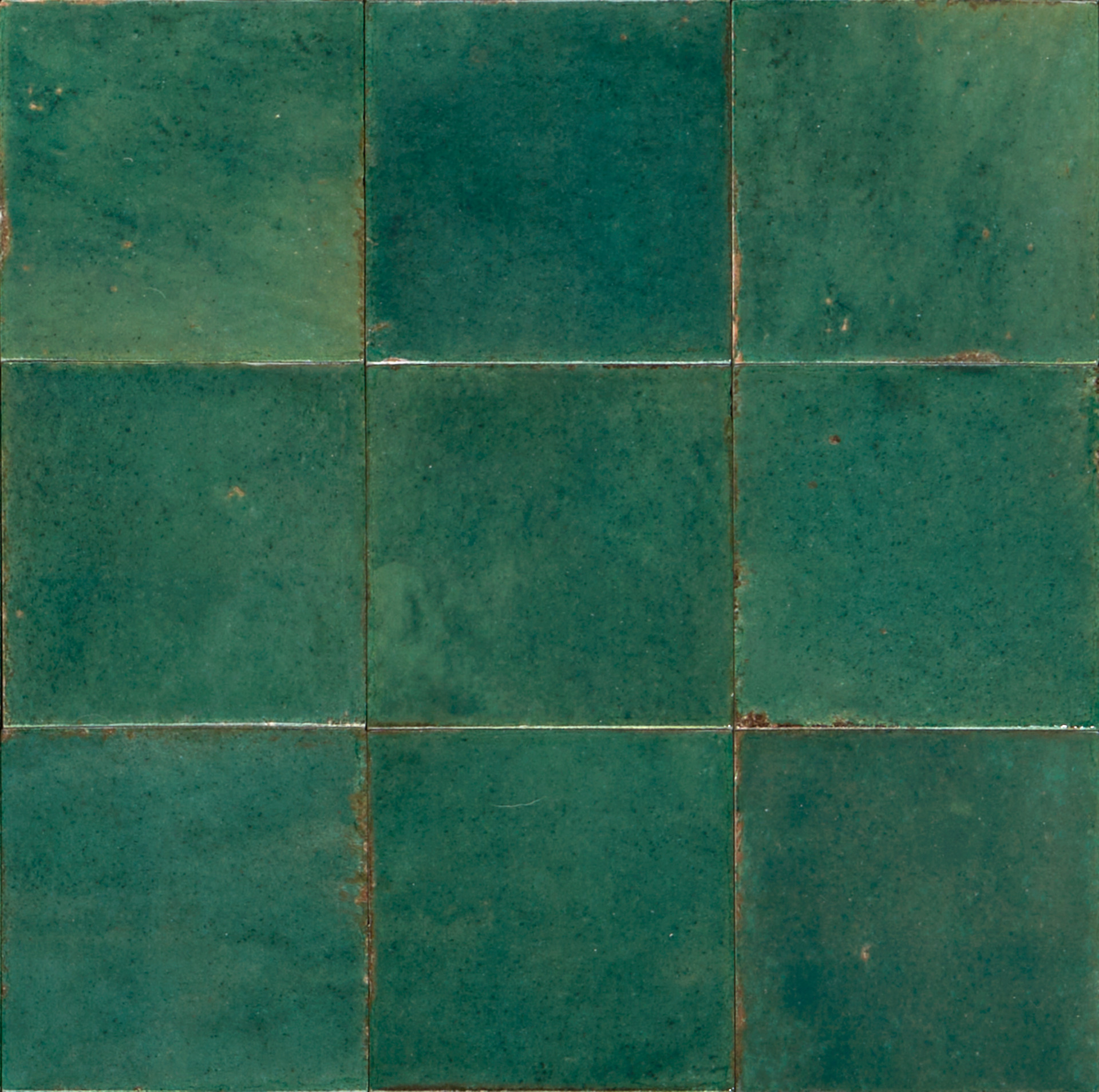
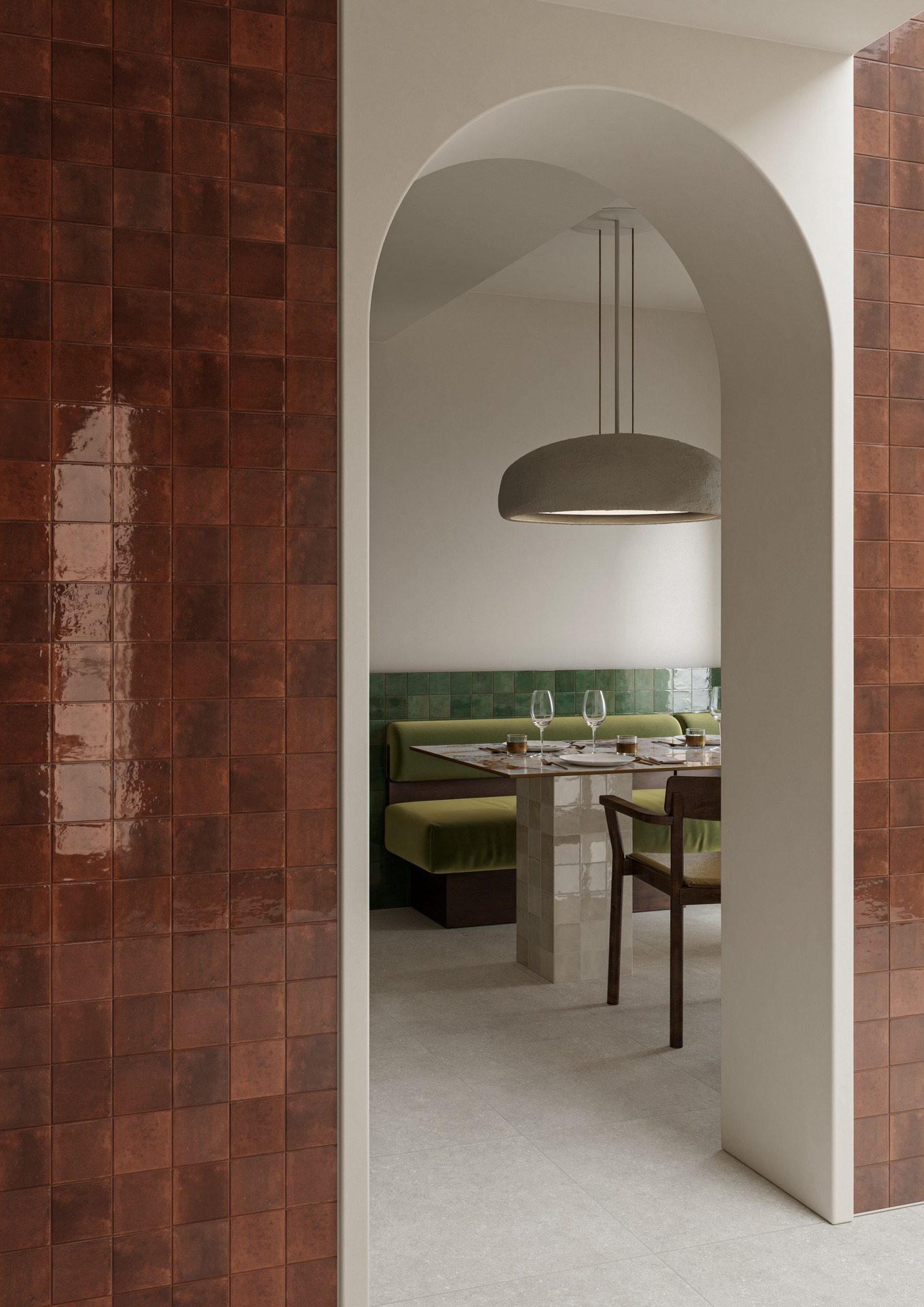
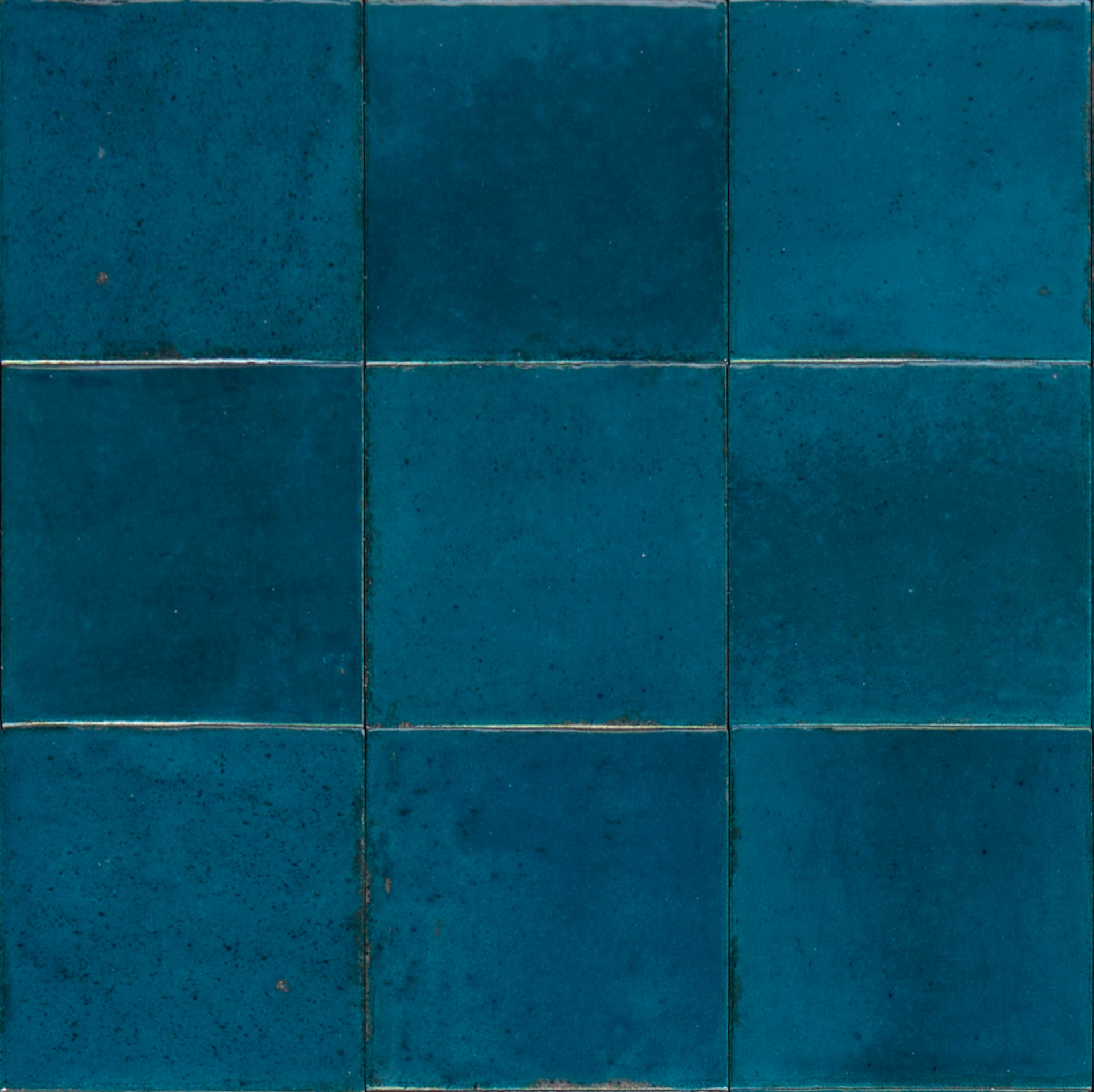
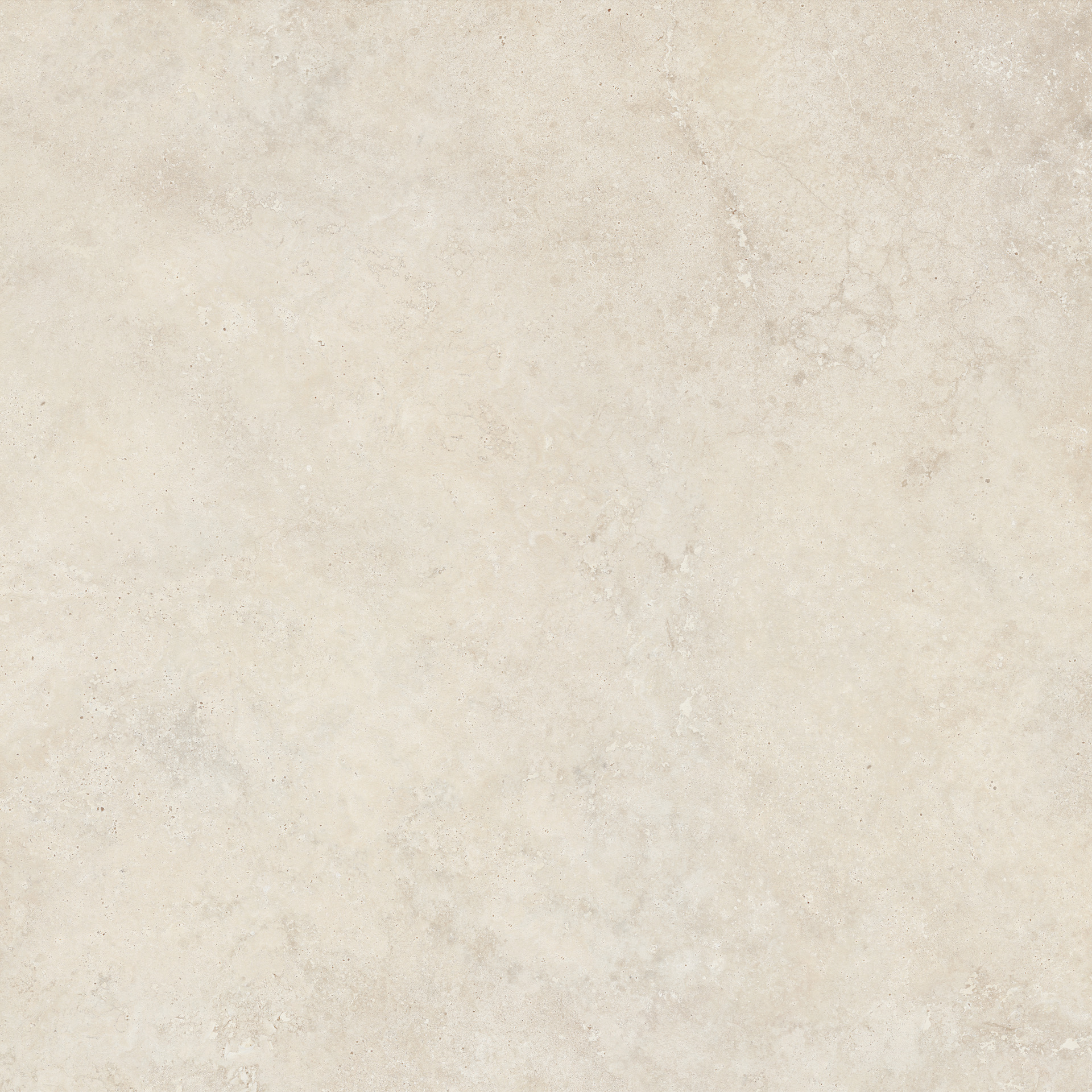
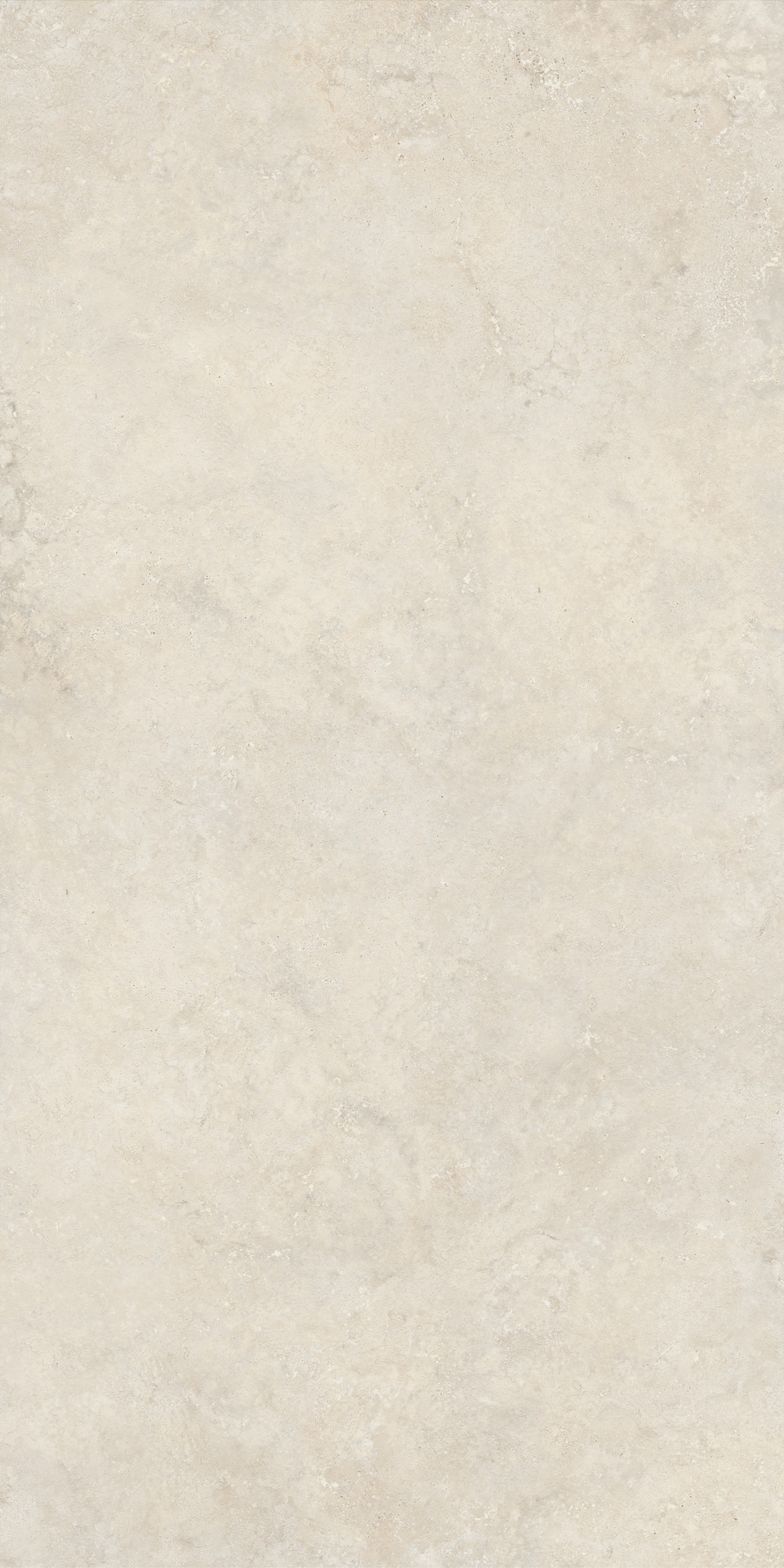
When selecting a solid color surface, the finish greatly influences the final result: matte provides a softer and more contemporary effect, while glossy reflects more light and adds depth to the color. The format also helps define the character of the surface. Large slabs create a more seamless look, with fewer joints, while small or square formats introduce a more pronounced rhythm and allow for greater creativity in installation patterns. If the goal is to also influence the perception of proportions, colors, wall coverings, and formats can be combined to make a room appear larger. Light and neutral shades tend to reflect more light and make the space airier; warm colors can create a cozier atmosphere, while more intense and saturated hues allow you to highlight a wall, an area, or a specific element in the project. However, there is no single rule: the strength of solid color lies precisely in the wide palette and the possibility to choose the color based on style, light, and desired combinations. The Grande Solid Color collection, for example, interprets solid color in large slabs, with pure white and black shades designed to create surfaces with a majestic impact. To navigate the different color families, you can explore collections in shades of white, grey, beige, black, blue and green, building more neutral, warmer, or bolder palettes depending on the project. Given the same color, the finish can significantly change the perception of the surface. Matte absorbs more light and provides a softer and more uniform appearance, while glossy reflects it and accentuates the color's depth and brilliance. The format also affects the overall result. Large formats reduce the presence of joints and enhance the continuity of surfaces; small formats and mosaics introduce a more pronounced rhythm, making it possible to create patterns and installation effects. The choice between square, rectangular, or differently sized modules therefore depends on the effect you want to achieve and the proportions of the space. For more information, you can consult the guide dedicated to choosing between square or rectangular tiles. Solid color can be used both for floors and walls, creating coordinated surfaces or introducing variations in format, finish, and texture within the same palette. When seeking a uniform and coordinated surface, solid color porcelain stoneware can accompany the project from flooring to solutions designed for wall covering, maintaining continuity between the different surfaces. Lume is a solid color collection with a very broad palette and can be used to create tone-on-tone rooms. Luz, on the other hand, interprets solid color through a more pure and essential color. On walls, solid color can gain greater depth through relief details and surface textures. In this way, solid color is not just a uniform background, but can become a decorative element able to react to light and characterize a feature wall. Among Marazzi's wall coverings, collections such as Bliss and White Deco show how textures and decorations can add substance to surfaces; in the decorated variants, Touch technology helps highlight the design and workmanship. Also, Racconti and Momenti offer decorative interpretations designed to bring rhythm and personality to walls. A solid color surface can serve as a neutral base or become the starting point for covering the rest of the space. The uniform tone of solid color does not compete with the material's pattern but enhances it, creating a clean contrast between neutral and distinctive surfaces. Solid color can interact, for example, with a marble effect for a more elegant and graphic contrast, with a wood effect to add a warmer note, or with stone effect and terracotta and concrete effect to emphasize the material character of the space. Cement tiles can instead be used alongside solid color for a more decorative and rhythmic touch. This type of balance between solid colors, material surfaces, and a few accent elements can also be useful in projects inspired by minimalist style, where palettes and materials are chosen to build essential spaces without sacrificing personality. It mainly depends on the shade and finish chosen, but in any case, porcelain stoneware remains practical to clean in daily maintenance. A monochrome surface does not necessarily have to appear flat. You can experiment with format, installation pattern, or subtle tone-on-tone variations to introduce rhythm without losing color continuity. Another option is to pair solid color with a material or decorative wall, or to differentiate some areas through various surfaces and finishes. Matte surfaces require regular cleaning with suitable detergents for porcelain stoneware, while on glossy ones it is important to pay extra attention to streaks and residues that may be more visible due to the light. For more detailed instructions, you can consult the guides dedicated to how to clean glossy porcelain stoneware and how to clean matte porcelain stoneware.
Marazzi Recommends
Solid Color in Spaces: How to Choose the Right Shade
Matte and Glossy Finishes and Formats for Solid Color
Solid Color for Floors and Wall Coverings
Large Solid Color Surfaces in Porcelain Stoneware
Decorative Solid Color Wall Coverings
Combining Solid Color with Material Effects and Decorations
Frequently Asked Questions about Solid Color Tiles
Does a solid color floor show more dust and marks compared to a textured surface?
How to add character to a large space entirely covered in solid color?
How to clean matte and glossy solid color surfaces?
