











Lume
- Colors 16
- Surfaces 1
- Sizes 2



 Ventilated facades
Ventilated walls's functionality and benefits
 Raised Floors
Functuality and benefits





Surfaces for coverings and floors in ceramic and porcelain stoneware: discover effects, colors, and available sizes to design a fully personalized kitchen in every detail.


The choice of kitchen tiles starts from the intended use of the different surfaces.
Flooring, walls, backsplash, and countertop are subject to different stresses and therefore require specific considerations. Marazzi porcelain stoneware allows you to combine durability, hygiene, and easy cleaning with awide variety of effects, colours, and formats.
Large formats further expand the possibilities of using the material, allowing you to cover walls, backsplashes, countertops, and other furnishing elements with visually continuous surfaces.
Read also: Guide to choosing the ideal kitchen tiles
In the kitchen, the wall plays both a practical and decorative function. It protects the surfaces in the most exposed areas and, at the same time, clearly contributes to the style of the space, especially when the covering involves large areas or entire walls.
The choice of wall covering can therefore be made taking these needs into account: behind the hob and sink, ease of cleaning and resistance to daily use become central; on the other walls , colour, texture, format, and how they relate to furniture and flooring gain greater importance.
The wall area between base units and wall cabinets, especially behind the hob and sink, is one of the most stressed surfaces in the kitchen. Water splashes, grease, and food preparation residues make it important to choose a compact, resistant, and easy-to-clean material.
Porcelain stoneware allows you to create a functional backsplash coordinated with the rest of the kitchen, choosing from very different solutions in terms of format and aesthetic effect. For a more intricate pattern, discover the mosaic collections, while if you prefer to reduce the presence of joints with a more continuous appearance, the large slabs are the most suitable solution.
Textured surfaces can also become part of the project: collections such as Crea allow you to work on the depth of the covering through textures and reliefs, while other options make it possible to create combinations of smooth, structured, and decorative surfaces.
Read also: Ideas for a porcelain stoneware kitchen backsplash
The countertop is one of the most used surfaces in the kitchen and must combine durability, practicality, and aesthetic quality. Among the advantages of using porcelain stoneware for kitchen worktops is the creation of compact surfaces, resistant to stains, scratches, and high temperatures and easy to maintain on a daily basis.
Read also: What are the ideal measurements for a kitchen countertop
Porcelain stoneware, also used for kitchen tops and backsplashes, offers the possibility to create continuity between countertop, walls, and other project elements, as well as introducing a material in contrast with the flooring and furnishings.
On surfaces also dedicated to food preparation and consumption, solutions with Puro Marazzi Antibacterial technology can also be considered.
Porcelain stoneware can extend from the floor and walls to the kitchen furnishing elements, helping to create coordinated and unified compositions.
The slabs The Top can be used, depending on the project and required processes, also to cover doors, sides, tables, and islands. In this way, the same effect can be repeated in several points of the kitchen or used to highlight a specific element, such as the central island, and create an elegant contrast.
All Marazzi collections are designed to adapt flexibly to any furnishing style: modern, minimalist, classic, country house, or Liberty. The wide range of colours, effects, and finishes allows for extensive customisation whatever your aesthetic preference.
For example, we could mention collections such as Boiserie, which allow you to introduce the warmth of wood to the walls, through textured surfaces and reliefs with a strong decorative presence.
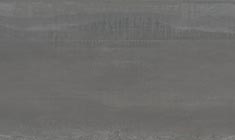
For bolder colour choices, you can opt for surfaces such as Lume, characterised by depth of colour and luminous finishes, or use large slabs to create broader, more continuous fields.
When the kitchen and living room share the same space, flooring and coverings help build the relationship between the two functions. Using the same surface in both areas is a way to create visual continuity, but it is not the only solution.
You can also choose different but coordinated materials and effects through colour, format, or intensity of the texture. To cover open-plan kitchens in style, a wall can become an architectural element that unifies the day area and interacts with the rest of the furnishings. Likewise, a floor can become the base for the entire space, while more distinctive coverings can identify the kitchen and living room walls.
The possibilities also change depending on the style: in a contemporary or minimalist kitchen, essential surfaces and large formats can be used; an industrial project can combine cement, resin, metal, and dark tones; woods and stones can instead help create warmer and more textured atmospheres.
The choice of effect helps define the character of the kitchen and the relationship between floors, walls, furniture, and countertop.
Wood, stone, marble, concrete, resin, solid colours and cement tiles can be used individually or combined to achieve kitchens coordinated with the living area or, on the contrary, characterised by more evident contrasts.
The wood-effect porcelain stoneware brings the visual warmth of natural essences into the kitchen together with the technical features of porcelain stoneware. It is a particularly versatile solution when you want to create a link with the living room or other rooms in the house.
Collections such as Nobilis and Vero allow you to interpret the flooring through different wood tones and graphics.
The stone-effect porcelain stoneware is suitable for those seeking a kitchen with a pronounced but balanced textured presence. Textures, colour variations, and graphics inspired by natural stones allow you to characterise both the floor and the walls and large surfaces.
Collections such as Mystone Tivoli, Mystone Pietra di Sicilia and Mystone Limestone offer different interpretations of the material, from lighter and brighter shades to surfaces with a stronger character.
Veining, graphic depth, and luminous surfaces make the marble-effect porcelain stoneware a suitable solution for kitchens where the covering plays a particularly prominent role in the project.
Allmarble allows you to use different interpretations of marble on floors and coverings, creating broad colour fields or more defined details
The concrete-effect and resin-effect surfaces are particularly suitable for creating contemporary spaces, thanks to essential colours and textures capable of creating visually uniform backgrounds.
Collections such as Cementum and Grande Concrete Look allow you to interpret the aesthetic of concrete in different formats, while Resin offers a softer and more colourful take on the continuous surface.
The solid colours can be used in the kitchen as a discreet background or as a more impactful colour element.
A neutral palette allows you to highlight furniture, tops, and accessories, while more intense colours can define the backsplash, a wall, or a specific area of the space. In this way, colour becomes part of the composition without necessarily having to be applied to all surfaces.
For example, Luz is a small-format glossy surface solution, while Grande Lume allows you to bring colour to larger surfaces.
The cement tiles and decorated surfaces allow you to introduce patterns and geometries that immediately give the kitchen its own identity.
They can be used on the floor, on the backsplash, or on specific parts of the wall, depending on the decorative impact you want to give the surface. A decorated strip can become a focal point in an essential kitchen, while a broader surface can strongly define the entire space.
Read also: Cement tiles in the kitchen: design ideas, advice, and combinations
The colour of the surfaces helps define the atmosphere of the kitchen and can be chosen in continuity with furniture and countertop or as a contrasting element.
Neutral shades, such as beige and grey, represent a versatile base and allow combinations with wood, stone, metals, and more intense colours: depending on finish, format, and furnishings, they can fit into essential spaces and more textured kitchens.
The relationship between light and dark surfaces can also be interpreted freely. The white can create bright and light compositions or be used as a contrast element; the black and deep tones can instead define walls, floors, or more distinctive details.
Natural and artificial light, colour of the furniture, surface finish, and relationship with the living area all contribute to the result and should be considered together.
Read our insights:
For the floor, it is necessary to choose products expressly suitable for floor installation, such as porcelain stoneware collections. White-body coverings, on the other hand, are designed for wall installation and offer colours, textures, reliefs, and decorations specifically developed for vertical surfaces.
Yes, porcelain stoneware can be used for both the backsplash and the countertop.
In a modern or open-plan kitchen, you can consider essential surfaces, large formats, and materials coordinated with the living area, but the choice depends on the desired result.
Ceramic and porcelain stoneware surfaces are easy to clean and maintain their beauty and durability over time with ordinary care. For more information, see the guide on how to clean porcelain stoneware.